The recent refusal of the highest legal authority in the United States to hear a case involving the copyrights of art generated by an artificial intelligence system has sparked significant discussions about the future of intellectual property in the realm of generative AI. Dr. Stephen Thaler, a computer scientist from Missouri, has been at the forefront of this debate, seeking to have his AI system, known as the “Device for the Autonomous Bootstrapping of Unified Sentience” (DABUS), recognized as the creator of original artistic work.
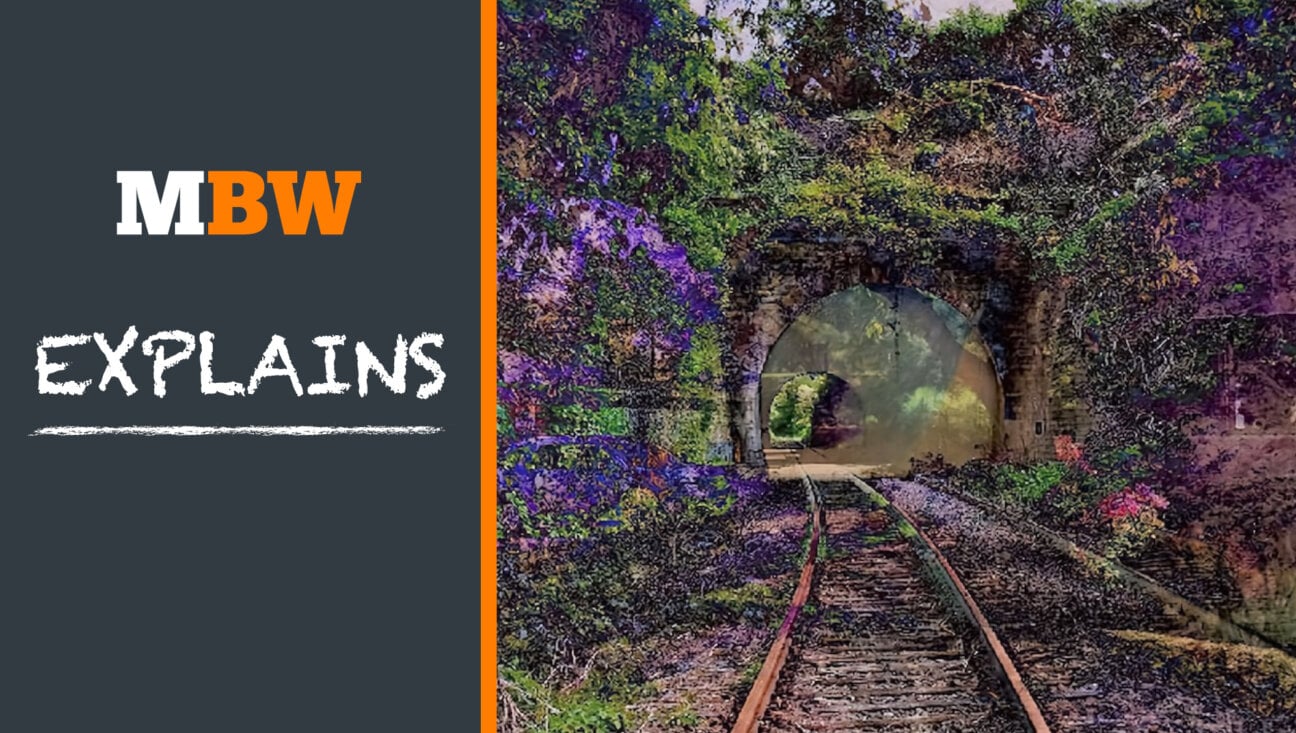
Thaler’s case dates back to 2018, when he applied for copyright registration for a piece of art created by DABUS titled “A Recent Entrance to Paradise,” which depicts a train tunnel enveloped in vibrant, surreal vegetation. However, the US Copyright Office rejected his application on the grounds that the creator of a work must be a human being, a principle deemed a fundamental requirement of copyright law. This decision was upheld by lower courts, culminating in the Supreme Court’s refusal to review the case.
The broader implications of this case extend beyond Thaler himself. Copyright and patent law are essential to how creative works and inventions are protected in today’s digital economy. The denial of copyright for AI-generated works raises questions about the ownership of artistic and inventive processes that utilize AI technologies, which often rely on vast datasets of human-created content. The distinction between human and machine creators becomes increasingly blurred as generative AI systems evolve, making it crucial for legal frameworks to adapt accordingly.
In a parallel development, Thaler has faced similar challenges in seeking patent recognition for AI-generated inventions, having previously argued that DABUS should be deemed an inventor under patent law. Other countries have seen mixed outcomes for similar efforts, with South Africa being one of the few jurisdictions to grant such recognition, while jurisdictions like the UK and European Union have upheld traditional criteria requiring human inventorship.
Notably, the ongoing discussion is not just confined to Thaler’s pursuits. There have been instances where companies have navigated the landscape of AI and copyright with success, obtaining rights by proving that human creators were heavily involved in the artistic process, such as the human selection and arrangement of AI-generated elements in a composition. This places a significant emphasis on the role of human agency in conjunction with AI technology, presenting a potential pathway for future legal approaches to generative works.
The stakes surrounding intellectual property rights in generative AI are particularly high for AI companies and the creative industries. As these technologies continue to advance, the impact of legal decisions—like the Supreme Court’s dismissal of Thaler’s case—will shape the landscape for AI innovation and the protection of creative outputs worldwide. Proponents of reform argue that a legal acknowledgment of AI as a creator could lead to distinct advantages for companies developing AI-driven technologies, granting them added leverage in broader creative sectors.
As society grapples with the integration of generative AI into everyday life, the role of copyright and patent law will be pivotal in navigating the tensions between innovation and the protection of original works. The question looms: how will laws evolve to accommodate the new creative paradigms ushered in by AI, and what frameworks will emerge to safeguard the interests of both human creators and the technology that aids them? The outcome of these legal battles will likely influence the future of creativity and ownership in the digital age.