### The Great CEO Burger Showdown: A Viral Fast Food Contest
Recently, the fast-food scene was electrified as Chris Kempczinski, the McDonald’s CEO, unexpectedly became a viral hit. His short video highlighting his initial taste of the company’s new Big Arch burger ignited a storm of memes, social media discussions, and a distinctive corporate rivalry that has gained momentum.
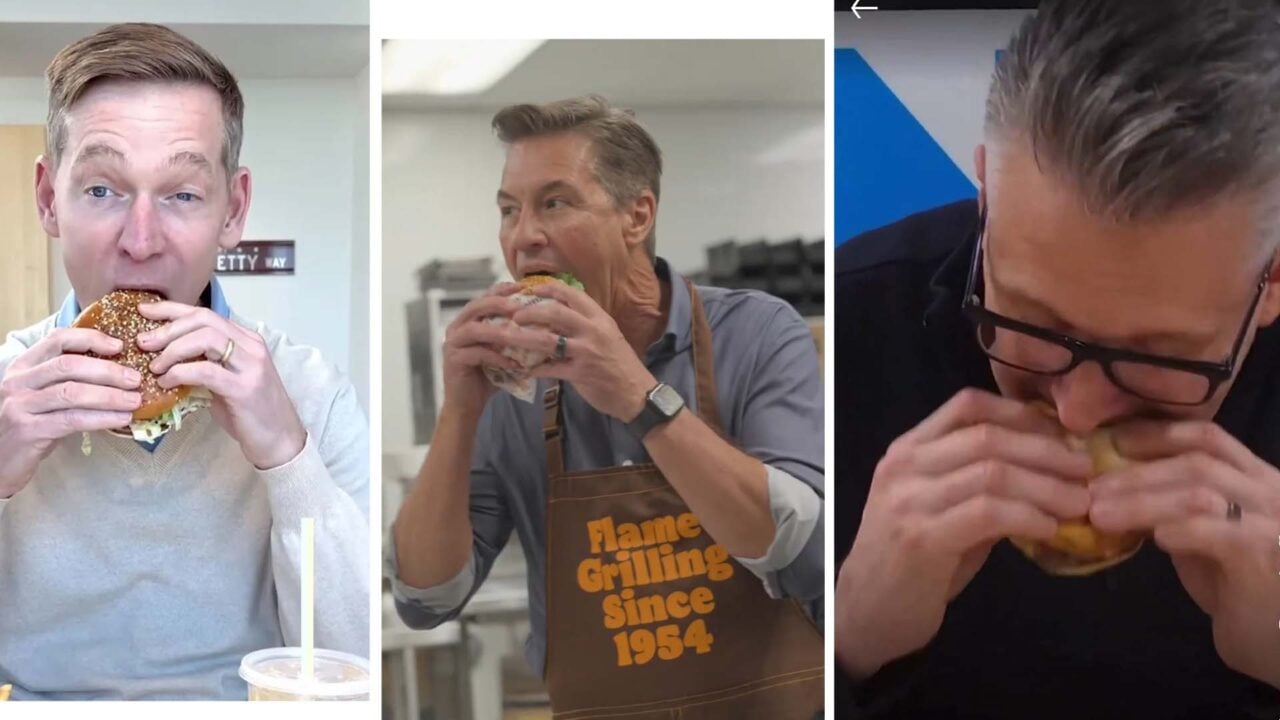
The Big Arch burger presents a striking appearance, packed with sauces and toppings. Yet, it wasn’t the burger’s impressive look that drew the internet’s interest, but Kempczinski’s awkward first bite. The CEO’s nearly humorous, small nibble prompted widespread ridicule, as users criticized not only the bite but also the quality of McDonald’s famed menu items. The response rapidly developed into a comprehensive debate about fast food culture and marketing, reminiscent of the digital era’s obsession with corporate missteps and meme culture.
In a turn that showcases the competitive aspect of fast food marketing, Burger King promptly reacted to McDonald’s viral incident. The brand utilized TikTok to feature their president, Tom Curtis, confidently enjoying a Whopper. After taking a generous bite and wiping sauce from his face, Curtis made a quip that appeared to target his McDonald’s counterpart. This lighthearted jab highlighted the ongoing rivalry between these two fast-food behemoths, effectively transforming their respective CEOs into not just corporate figures, but characters within a digital narrative that engages viewers.
Not wanting to be left out, Wendy’s joined the fun rivalry. Pete Suerken, Wendy’s president, posted a video of himself relishing a burger from the chain, not only taking a hefty bite but finishing the entire item. In a surprising twist to conclude his meal, he dipped fries into a milkshake, reinforcing Wendy’s brand image as the fun-loving alternative in the fast-food market.
McDonald’s, aware of the humorous angle of the situation, capitalized on the uproar before Burger King’s reply. On the same day as Burger King’s TikTok post, they shared an image of the Big Arch burger with a cheeky caption that alluded to Kempczinski’s viral moment. This recognition demonstrated the brand’s knack for navigating and utilizing the meme environment to its advantage, turning mockery into a marketing chance.
The rise of phrases like “burgermogging” on social media captures the playful yet serious nature of this ongoing contest. One tweet, which gained notable traction, expressed how Curtis and the Burger King brand showcased their superiority over McDonald’s in this lighthearted competition, illustrating a change in how brands interact with one another and their consumers in this digital era.
As the burger-munching CEO clash progresses, onlookers speculate about possible entries from other fast-food brands like Arby’s or Whataburger. The enthusiasm surrounding this event underscores the influential power of social media, where a simple video can ignite widespread interaction across platforms, attracting attention from both loyal fans and casual onlookers alike.
This continuous war of bites not only amuses but also mirrors the evolving dynamics of brand competition, where personality, humor, and viral capability have become essential elements of corporate marketing strategies. Whether viewed as a serious contest or a humorous display, the grand CEO burger showdown exemplifies how the digital age can elevate ordinary marketing moments into cultural sensations, compelling all, including the CEOs themselves, to adapt or risk becoming obsolete in the algorithm-driven environment.