The convergence of popular culture and political communication has frequently sparked controversy, particularly during the Trump administration, where the approach seemed to heavily rely on low-effort adaptations of current trends. Numerous occasions saw the administration employing aspects from cherished video games to promote its viewpoints, often provoking backlash from the gaming community.
Prominent instances involve the incorporation of titles such as *Stardew Valley*, *Halo*, and *Call of Duty*, which were cleverly reconfigured to fit the administration’s agenda. This strategy of exploiting nostalgia and recognition in the gaming sphere often took a troubling turn, as well-loved games were used to convey political messages that many deemed objectionable. As a result, such actions tended to undermine the pleasure derived from these games for dedicated players, shifting amusing memes and shared moments into conduits of political unrest.
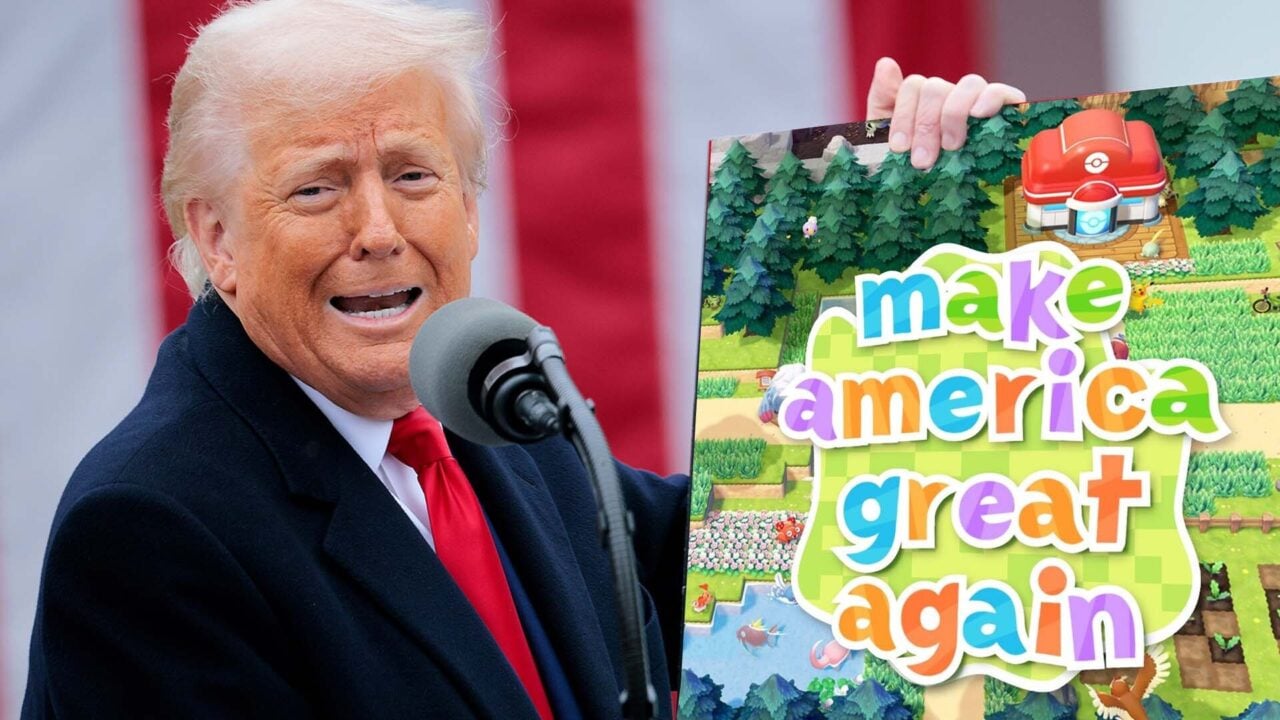
A recent example illustrates this with the adaptation of the *Pokémon* theme, particularly the *Pokopia* text meme, by the White House. The original idea, crafted by a design platform known as Pixelframe, enabled users to create a font that mirrored the vibrant logos from the *Pokémon* series, quickly becoming a vehicle for humor and activism. However, this lively creativity faced frustration when Trump’s social media manager repurposed it to communicate the uninspired slogan “Make America Great Again,” undermining the playful spirit of the meme.
This appropriation was met with disappointment from the online community. While reactions to the post ranged from witty responses to serious demands for accountability, such as calls to “Release the Full Epstein Files,” it indicated a trend where political involvement hijacked cultural moments, often in ways that estranged the very audience it sought to engage.
As the cultural environment continues to evolve, many individuals find themselves yearning for the original joy of gaming—like playing *Pokopia* on their Switch 2—rather than reminders of political agendas. The incident highlights the persistent friction between popular culture and political messaging, emphasizing the significance of creativity and respect for the source material in preserving cultural authenticity.