
**Do Steam Player Count Figures Reflect Success?**
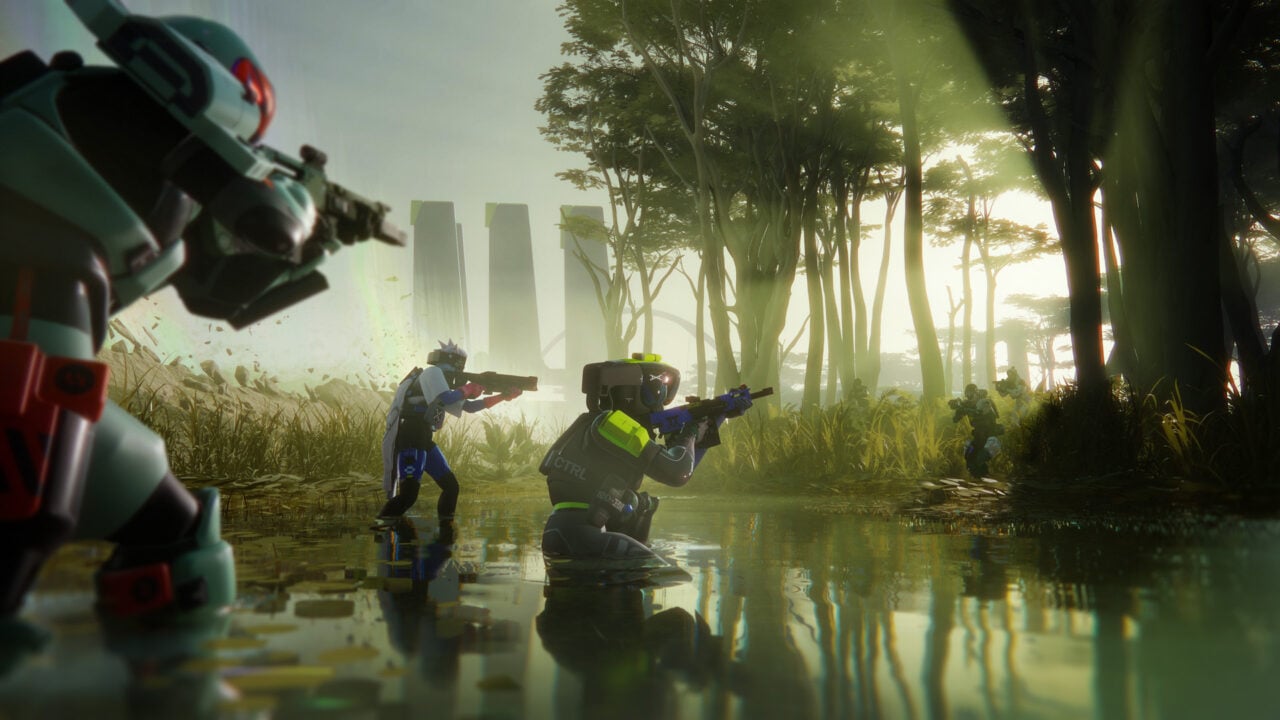
In the fierce arena of online gaming, the debate over player counts frequently emerges as a crucial measure of success or failure. The recent launch from Bungie and Sony, *Marathon*, is central to this discussion. Debuted on March 5, preceded by a free Server Slam period, *Marathon* attracted an impressive 143,621 concurrent players during the Server Slam but saw a decline to only 88,337 players at its official launch. This significant drop has fueled speculative debates about the game’s future, leading to the inquiry: what do these figures genuinely represent?
**The Misconception of Player Count as an Exclusively Metric**
To categorize *Marathon* as unsuccessful solely based on its player count is misguided. The circumstances are crucially important. The recent closure of *Highguard*, a game that recorded a peak of 97,249 players shortly after its debut, further complicates the narrative for critics scrutinizing player statistics. Comparisons drawn between *Marathon*, backed by prominent industry figures, and lesser-known games like *Slay the Spire II*, present difficulties as they overlook the intricate details involved. *Highguard* was a free-to-play title, whereas *Marathon* is priced at $40, which inherently influences its accessibility and the retention of its player base.
Industry professionals have weighed in, observing that the gaming landscape today is immensely different from earlier times. As Rebecca Ford, Creative Director at *Warframe*, noted, the battle for player attention has escalated significantly, with countless titles competing for a finite audience. This oversaturation frequently results in variable player counts that do not accurately represent a game’s caliber or potential endurance.
**Historical Perspective on Player Counts**
Player counts can vary for numerous reasons, and historical evidence supports this idea. *Slay the Spire*, for instance, began with merely 153 concurrent players but surged to over 33,000 by February 2018. Similarly, *Deep Rock Galactic* commenced with 2,869 players in early access and has witnessed peaks nearing 40,000. *Among Us* started with only 20 players but soared to a peak of 447,476 in 2020. Even well-established franchises like *Dragon Ball FighterZ* can experience modest player counts yet continue to thrive with new content, as illustrated by the recent announcement of forthcoming DLC.
**Developer Views on “Countwatching”**
Developers are increasingly vocal about the drawbacks of “countwatching.” Dylan Snyder, Senior Designer for *Overwatch*, responded to the discussions surrounding *Marathon*’s player counts by terming the practice as “cringe” and encouraging players to concentrate on enjoying their gaming moments rather than obsessing over numbers. Ford’s viewpoint further stresses that a game’s journey transcends its initial player counts; it encompasses ongoing updates, community involvement, and evolving gameplay experiences.
These perspectives underscore a crucial shift in emphasis from sheer numbers to meaningful engagement with the content and the community surrounding a game. The future viability of a title may rely less on its launch day figures and more on its capability to adapt and sustain a loyal player base over time.
**Conclusion**
The conversation surrounding player counts as measures of success prompts significant reflections within the gaming community. While initial player figures may indicate interest, they do not definitively determine a game’s longevity or quality. Recognizing the multitude of factors at play is vital for both players and developers. The gaming environment is ever-changing, and *Marathon*—like numerous games before—holds the capacity for growth and adaptation in response to player feedback and market shifts. Rather than fixating on numbers, interacting with the content and the community may provide more gratifying experiences for both players and developers.