### Class Action Lawsuit Against Valve: A Challenge to Lootbox Gambling Mechanics
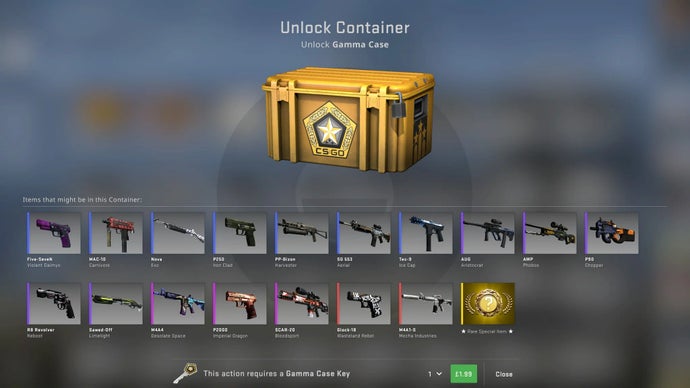
A significant legal battle is unfolding as Valve Corporation, the company behind popular games like Counter-Strike 2, Dota 2, and Team Fortress 2, faces a class action lawsuit filed in Washington State. The lawsuit alleges that Valve operates an unlawful gambling business through its lootbox mechanics, which allow players to spend real money for a chance to win in-game items that can hold real-world value.
#### Overview of the Lawsuit
Represented by the legal firm Hagens Berman, the lawsuit specifically highlights the experiences of two plaintiffs, Alexander Flauto and Jackson Meyer, while seeking restitution for all affected consumers. The plaintiffs are demanding complete financial restitution for what they claim are billions of dollars in illicit earnings generated through gambling practices embedded in Valve’s games.
The lawsuit, filed on March 9, outlines the mechanics of lootboxes as akin to traditional gambling. Players invest real money into a system resembling a casino where they spin wheels for a chance to receive valuable items. The complaint argues that the allure of these virtual items, combined with their marketability on platforms like the Steam Community Market, qualifies the mechanics as gambling under Washington State law.
#### Legal Arguments and Psychological Implications
The plaintiffs assert that the psychology behind lootboxes mirrors that of gambling. They point to various tactics used in the design of lootboxes, including the use of unpredictable reward schedules, visual and audio effects similar to slot machines, and the incorporation of ‘near miss’ animations that create the illusion of winning. These methods are particularly concerning given that a significant portion of Valve’s player base consists of children and adolescents, who may be more susceptible to developing gambling behaviors.
The lawsuit cites a clear definition of gambling under Washington law, which encompasses any staking of value on the outcome of a chance event. By this definition, the plaintiffs argue that lootboxes are not incidental features of the games but rather a central revenue-generating element designed to maximize player spending.
#### Culture and Influence of Lootboxes
The complaint further discusses the broader implications of lootboxes in gaming culture. It highlights the rise of influencers and streamers who engage audiences by opening lootboxes, creating a culture around buying and trading virtual items akin to casino gambling. This ongoing interaction with gambling-like mechanics, even from a passive viewing standpoint, contributes to normalizing these behaviors among young viewers.
Moreover, the lawsuit raises concerns over Valve’s failure to implement adequate age verification mechanisms or parental consent procedures for accessing lootboxes. The minimum requirement—a checkbox affirming that users are over 13—seems insufficient in the eyes of the plaintiffs.
#### Broader Context of Legal Actions Against Lootboxes
This lawsuit follows recent legal and regulatory challenges against Valve and other companies in the gaming industry. A similar lawsuit was filed by New York’s attorney general in February, seeking to impose fines and eliminate gambling features from Valve’s offerings. Globally, authorities are taking a hard stance on lootboxes; nations like the UK, Australia, and members of the EU are considering or have enacted regulations targeting gambling within video games.
For example, the UK government has indicated a willingness to legislate on the matter if companies do not improve parental controls. Australia is proposing age ratings for games with lootboxes, while regulatory bodies in Europe are pushing for measures to tackle gambling addiction linked to lootbox mechanics.
#### Valve’s Response and Market Adjustments
While Valve may appear insulated from these legal challenges due to its size and popularity, there are signs of compromise. For instance, the German version of Counter-Strike 2 will feature an “X-ray scanner” for lootboxes, allowing players to see the potential rewards before making a purchase—a design change aimed at mitigating concerns about the randomness of lootboxes.
#### Conclusion
The ongoing legal saga surrounding Valve and its lootbox mechanics raises significant questions about the legality and ethical implications of gambling in video games. As society grapples with the increasingly blurred lines between gaming and gambling, the outcome of this lawsuit may set critical precedents for the future of lootboxes and digital gambling practices in gaming culture.