# The Effect of “Drag Path” and the Themes of Grief in Twenty One Pilots and Pokémon Pokopia
The alternative duo Twenty One Pilots encapsulates the profound emotions associated with grief in their song “Drag Path.” This piece delves into the lingering memories and tangible traces of lives that once existed, relating to experiences of mourning and remembrance. The phrase “drag path” itself conjures vivid imagery—denoting the actual marks left behind by something that was once there but has disappeared. As the song gained traction on social media, it evolved into the backdrop for users sharing videos that showcase unintentional memorials to departed loved ones, such as gifts intended for those who can no longer accept them or projects left incomplete.
In the moving chorus performed by Tyler Joseph, audiences sense an urgent appeal for connection, a call to follow the remnants left in hopes of rediscovery. Nevertheless, this drag path often signifies more than a mere physical trace; it embodies the lasting influence a lost individual leaves on those who remain. This theme resonates deeply in *Pokémon Pokopia*, a charming life simulation game that subverts conventional Pokémon elements by portraying a world where Pokémon mourn for the humans who once cared for them.
## The Profound Emotional Foundations of Pokémon Pokopia
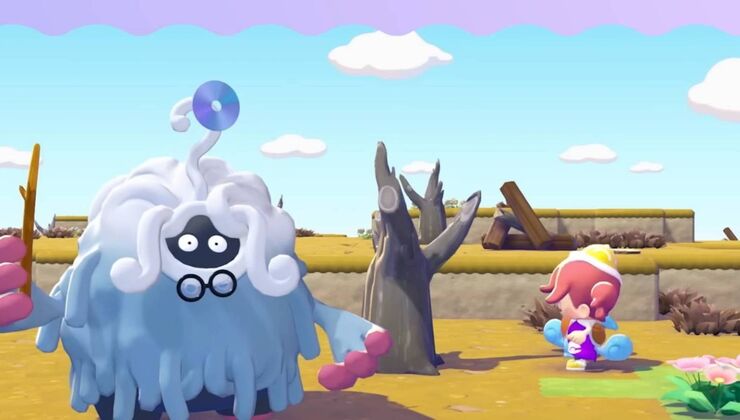
*Pokémon Pokopia* presents a contemplative experience set in a deteriorated version of the recognizable Kanto region, brimming with ruined landmarks and signs of human absence. The game’s innovative design enables players to assume the role of Ditto, a shape-shifting Pokémon. Through Ditto’s viewpoint, players observe Pokémon longing for their previously vibrant trainers and constructing an atmosphere reminiscent of the past to inspire hope for their return. Pokémon such as Ditto, Chef Dente, and Professor Tangrowth epitomize resilience in the face of sorrow—a homage to their bonds with humans that shaped their identities.
Each character plays a role in exploring the drag path theme by embodying memories and attributes of their absent trainers. For example, the Ditto character transforms into an altered representation of its trainer, manifesting a literal quest for recognition where others can acknowledge their lost companion. Similarly, Chef Dente preserves the culinary legacy of her human partner, thus retaining a trace of the warmth and affection that once existed between them.
## The Importance of Reconstruction
As players partake in the restoration of *Pokopia*, they encounter a substantial sense of fulfillment. The process mirrors the healing that follows loss; it encompasses not only the creation of tangible spaces but also the commemoration of those who once inhabited them. Elements such as aiding Pokémon in building their new homes or uncovering remnants of the past through diary entries deeply immerse players in a world infused with nostalgia and yearning. This foundation of community echoes the sentiments conveyed in “Drag Path,” addressing the idea that physical representations of love and connections persist even after a person’s exit.
Moreover, Pokémon’s diverse personalities illustrate the intricate array of emotions linked to loss, as they each seek solace in recreating the worlds from their recollections. *Pokopia’s* storyline allows for impactful character interactions that illuminate Pokémon’s grief, much like the emotional depth found in *Twenty One Pilots*’ music.
## The Mechanics of Recovery and Community
In its gameplay, *Pokopia* employs mechanics that foster creativity and collaboration in the rebuilding process. As players weave elements of their former world, the game encourages engagement with Pokémon in a manner that transcends traditional gameplay. Constructing and restoring habitats not only activates their roles within their community but also represents the emotional healing players undergo through the game’s narrative.
The deliberate design highlights that while Pokémon are characters within the game, their emotions resonate with real-world experiences of loss and recovery. The idea that reconstructing a community necessitates effort and collaboration reflects the real-life understanding that confronting grief is a shared journey. The interactivity facilitates a stronger emotional bond, satisfying the characters’ desire for companionship and understanding while also allowing players to delve into their feelings regarding loss.
## Conclusion: The Lasting Legacy of Remembrance
In the end, *Pokémon Pokopia* and the song “Drag Path” collectively portray how memory and loss intermingle with hope and the living essence of relationships. Both works serve as avenues for exploring the depths of grief—a reminder that the paths we leave behind, both emotionally and physically, continue to lead us toward healing. As communities within the game slowly rebuild and progress in the absence of humans, they symbolize the lasting impact of love and friendship—a theme that resonates universally, akin to the heartfelt messages shared by Twenty One Pilots.