### The Charisma of Imperfection: Why Slay The Spire 2’s Approach to Art Strikes a Chord
Do you remember the days when the conversation around videogame art didn’t revolve around the complexities of generative AI? Regardless of where you stand on the pro or anti-AI debate, the increasing prevalence of discussions about AI-generated artworks in games can be exhausting. The US Supreme Court has even weighed in, recently refusing to hear a case concerning the copyrighting of AI-generated art, indicating a societal fatigue with the topic.
Amidst this backdrop of complexity, the developers of **Slay The Spire 2**, Mega Crit Games, have taken an intriguing and refreshingly honest route by opting for an aesthetic reminiscent of a bygone era—essentially creating a patchwork of art that feels like it’s been put together in Paint.
#### Early Access Launch: A Work in Progress
**Slay The Spire 2** launched into Early Access recently, and while the game introduces multiple character classes and a plethora of cards, it’s clear that a lot of content remains unfinished. Early Access allows developers to iterate and gather feedback, and Mega Crit has indicated they plan to enhance and balance existing content while adding new features over time.
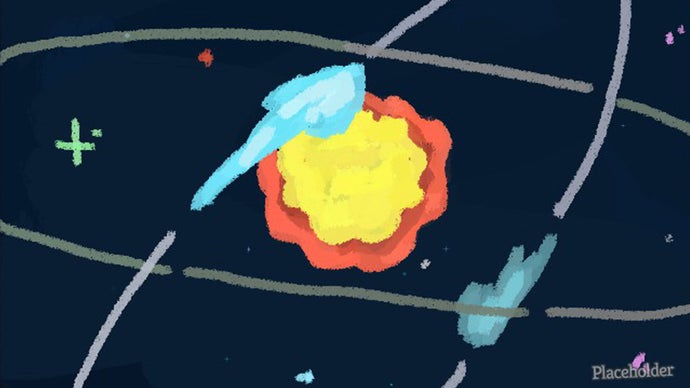
One of the newly implemented features is the Timeline, which narrates the backstory of the Spire itself—how it came to exist and why it’s teeming with monsters. As players progress, they unlock scenes on this timeline, each accompanied by text and artwork. However, much of the artwork currently serves as placeholder content, and to put it lightly, a fair amount of it is “charmingly naff.”
#### Embracing the Unfinished
Rather than resorting to AI tools to generate polished artwork, Mega Crit has opted for a more authentic approach. The art style, while not sophisticated, exudes a playful slapdash quality that speaks to the developers’ comfort with their interim state. There’s something endearing about a game that embraces its unfinished nature, showcasing the art in such a way that players understand it is not the final product.
This approach is notable for avoiding the pitfalls that come with utilizing AI-generated art, a practice that has faced significant backlash. When developers are caught employing AI art, they often claim it was merely placeholders intended for further refinement—much like the responses from studios like Ubisoft and 11 Bit Studios when faced with scrutiny.
#### The Cost of Trust
The potential fallout from losing player trust can be significant. A prime example is **Baldur’s Gate 3**, where developers faced backlash after announcing plans to use generative AI for concept art. The swift withdrawal of that plan highlighted the fragility of a developer’s reputation. Once held in high esteem, the studio now faces lingering doubts about its commitment to artistry and authenticity.
By starkly presenting placeholder art, Mega Crit Games creates a level of transparency that can build rather than break trust. It signals to players that they understand the importance of genuine artistic effort, even in its most unrefined form.
#### Conclusion
In a world increasingly obsessed with artificial intelligence and its potential to revolutionize the creative process, perhaps the most revolutionary thing a developer can do is opt for the simplicity of handcrafting art—even if it resembles a child’s playful scribbles on a Paint canvas. Mega Crit Games demonstrates that embracing the imperfect can be both a bold and effective strategy, providing a refreshingly human touch to modern game development. Players finding themselves in **Slay The Spire 2** may appreciate this candid approach, knowing that beneath the surface lies a commitment to their experience—warts and all.