
**PEGI Updates Age Rating Criteria for Games Featuring Loot Boxes and NFTs**
The Pan European Game Information (PEGI) system, responsible for age rating games in Europe (excluding Germany), has announced significant changes to its rating criteria, particularly concerning games that incorporate loot boxes, non-fungible tokens (NFTs), and other blockchain-related elements. This new approach aims to provide players and purchasers with clearer and more informative ratings that reflect the content and monetization strategies of modern video games.
### The Rationale Behind the Changes
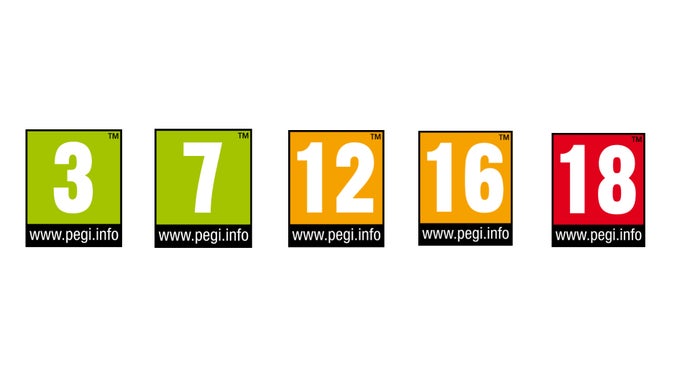
According to PEGI director Dirk Bosmans, these updates are designed to offer “more useful and transparent advice” to consumers. While the fundamental age ratings—from the universally suitable rating of 3 to the adult designation of 18—remain unchanged, the incorporation of new criteria will allow for a more nuanced assessment of games. This will provide players with a clearer understanding of what to expect, particularly regarding potential in-game purchases and engagement mechanics.
### New Rating Categories
PEGI has classified the updated criteria into four distinct categories:
1. **Time-Limited or Quantity-Limited Purchases**: Games that allow players to buy items for a limited time or in restricted quantities will receive an automatic age rating of 12. This includes mechanics that can create urgency in purchasing decisions.
2. **Paid Random Items (Loot Boxes)**: Titles that feature loot boxes, which allow players to buy access to random in-game items, will now receive a default rating of 16. This rating could escalate to 18 depending on the specifics of the implementation.
3. **Play-by-Appointment Mechanics**: Games that incentivize players to log in regularly through daily quests will be assessed based on whether the absence of participation leads to progression penalties. If such penalties exist, the game will receive a 12 rating; otherwise, it will be rated at 7.
4. **Online Communication Protections**: Any game lacking adequate measures for players to block or report inappropriate communication will be assigned an 18 rating. This is aimed at safeguarding players from toxic online interactions.
### Implementation Timeline
These updates are set to take effect in June of this year. Following the roll-out, games will be submitted for rating under this new framework, although PEGI will not disclose ratings until games are ready for official announcement or release. Bosmans anticipates that the first titles evaluated under this updated criteria will be available around the time of Gamescom in late summer.
### Implications for the Gaming Industry
The introduction of these enhanced criteria comes in response to ongoing scrutiny from trade bodies and political entities regarding loot boxes, gaming addiction, and the ethical implications of such monetization models. The question remains whether these rating changes will significantly alter how developers approach game design and monetization. For instance, well-known titles like EA Sports FC may need to adapt their practices to retain favorable age ratings, as the presence of in-game purchasing mechanics heavily influences their classification.
### Conclusion
With the evolving landscape of video game monetization, PEGI’s updated age rating criteria aim to ensure that players are better informed about the implications of their gaming choices. As these changes take root, they may not only impact consumer awareness but also the broader industry practices regarding how games are developed and marketed in the future.