**Title: The Dispute Surrounding Pickmon: An Instance of Claims and Mimicry**
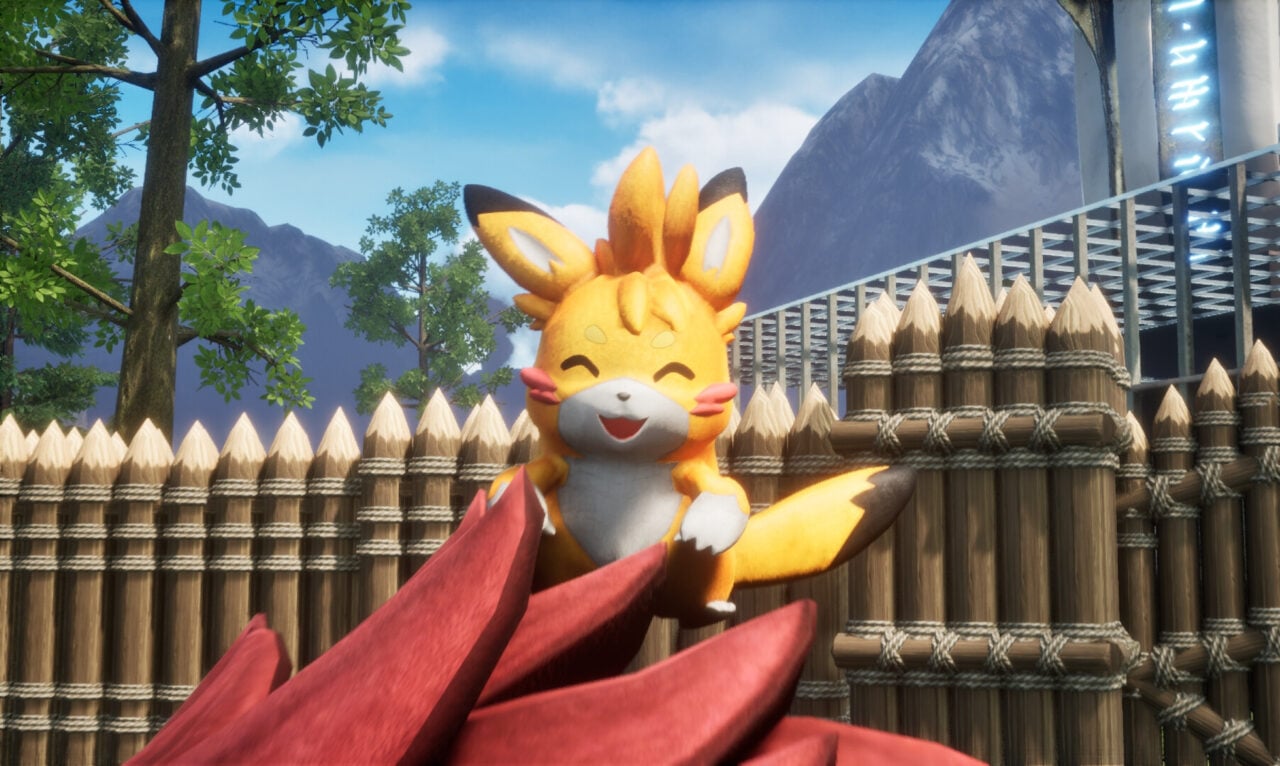
The gaming realm is buzzing with the arrival of *Pickmon*, a title that, at a cursory view, seems to be an amalgamation of cherished elements from franchises such as *Pokémon*, *Breath of the Wild*, and *Palworld*. Nonetheless, the enthusiasm is clouded by claims of design appropriation and overt mimicry, especially aimed at Nintendo, a corporation infamous for its staunch stance on intellectual property matters.
The creators, operating under the aliases “PocketGame” and “PokeGame,” have piqued curiosity from the outset. The name “PocketGame” directly references *Pokémon*, recognized as *Pocket Monsters* in Japan, leading to doubts regarding the developers’ motives. Likewise, the publishing title, NETWORKGO, bears a close resemblance to “Nintendo,” suggesting a calculated effort to challenge the gaming titan. Such choices could be interpreted as a bold taunt to the company that has historically pursued legal action against comparable violations. For reference, Nintendo once even sued the United States government, highlighting their litigious character.
Despite the confrontational stance towards a significant industry figure, a more urgent concern has arisen — claims from independent creators asserting that *Pickmon* has directly appropriated designs from their Pokémon fan art for commercial purposes. Two particular designs have faced scrutiny: one inspired by Mega Ceruledge and another seemingly a direct replication of Mega Meganium by artist el.psy.fake. The latter artist voiced their discontent on Instagram, stating, “They didn’t even try to change something and make it a bit less obvious,” which emphasizes the seriousness of the matter.
As reported by *Dexerto*, the claims indicate a disturbing trend in the gaming sector where smaller creators may be taken advantage of by larger endeavors. The reality that such accusations directed at *Pickmon* arise amid its attempts to capture attention through controversy escalates worries about the ethical ramifications of their promotional tactics. The developers have even interacted with media channels, boasting about their contentious reception, which they assert produced 25 million impressions in just hours.
While some might contend that taking on a titan like Nintendo could be viewed as a daring maneuver, it does not justify the possible exploitation of independent creatives. These artists, who pour considerable time and effort into their craft, find themselves in a vulnerable position, unable to contest a project that utilizes their designs without permission or recognition.
The *Pickmon* narrative serves as a reminder of the delicate equilibrium between inspiration and mimicry within the video game landscape and the obligations developers owe to both their influences and the artistic community. As the scenario progresses, it raises critical inquiries regarding fairness, intellectual property laws, and the treatment of artists in the expansive realm of gaming.