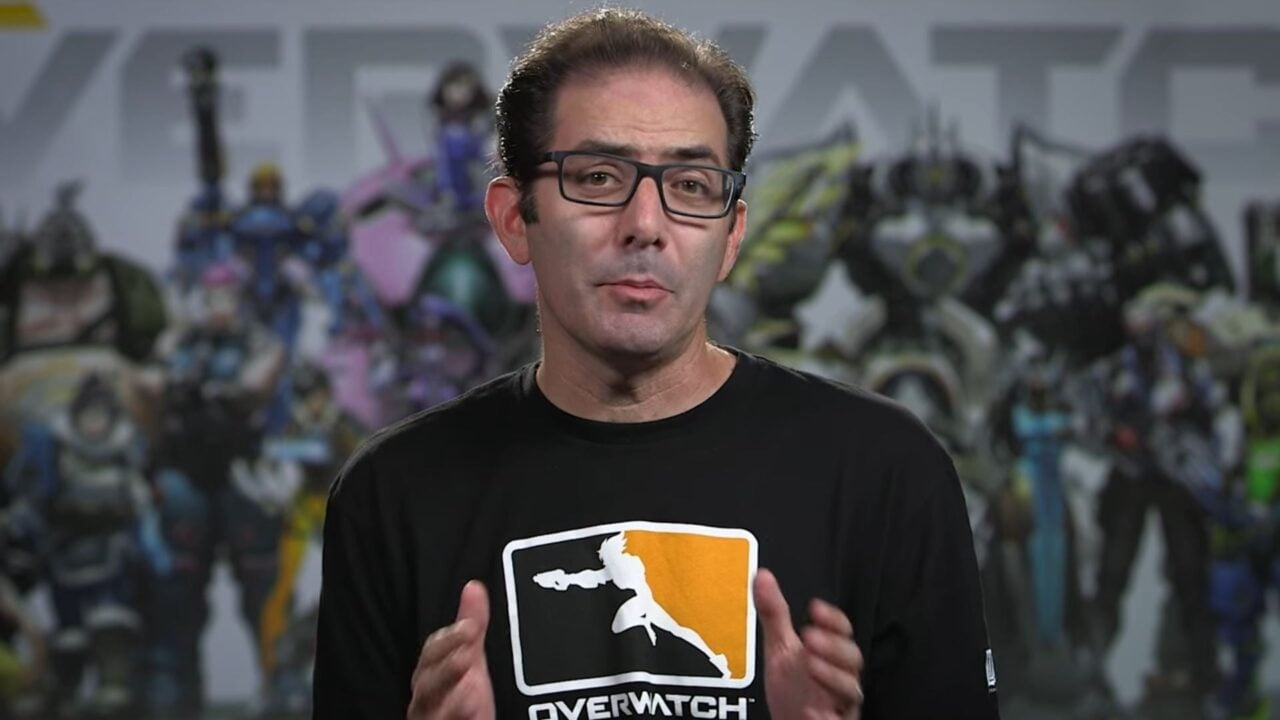
### The Controversial Aspect of Video Game Feedback: Jeff Kaplan’s Perspective
Within the extensive landscape of the internet, especially in gaming circles, there is a vocal group of users who voice their contempt for games they lack interest in or familiarity with. This trend has caught the attention of prominent figures in the industry, including Jeff Kaplan, the former director of *Overwatch* and now the creative lead at Kintsugiyama, working on *The Legend of California*. During a recent Twitch stream, Kaplan openly addressed this toxic tendency, encouraging critics to reconsider the effects of their remarks.
Kaplan’s remark, “Shut the f*** up. No one cares,” highlights his exasperation with individuals who not only share negative views about games they haven’t experienced but also project their feelings onto the wider community. He contends that this behavior does little to positively impact game development. Rather, it estranges developers and creates a cycle of negativity that is often unproductive.
In a lengthy 10-hour Twitch stream, Kaplan interacted with fans and highlighted aspects of *The Legend of California*, a game illustrating a new trajectory for his career after departing Blizzard due to corporate pressures he believed hindered the creative process. He reflected on the rudeness and antagonism he has noted in gamer comments regarding titles that fail to capture their interest, suggesting that such mentalities do not motivate developers to shift towards the critics’ preferences.
Kaplan stressed that while sharing one’s opinion is a crucial part of a participatory culture, there is a distinction between constructive feedback and blatant hostility. He advocated for a more rational approach to game discussions, stating, “If a game is released and you have no interest in playing it, and you haven’t played it, shut the f*** up.” This counsel resonates with many in the gaming industry, who frequently feel inundated by a wave of negativity rather than constructive commentary.
Despite Kaplan’s frank observations, those who criticize games without involvement are unlikely to alter their conduct. However, his readiness to speak candidly may encourage other developers to deviate from the typical norms of corporate communication, which can often be excessively sanitized and cautious.
Kaplan’s exit from Blizzard was prompted by rising pressures to meet financial goals, which affected his capacity to nurture innovation within his team. At Kintsugiyama, he is fostering a more liberated environment where he can interact with the community genuinely, unencumbered by the constraints that previously restricted his voice.
As the gaming community continues to progress, conversations about player feedback and developer accountability will remain vital. Kaplan’s views serve as a reminder that, in an industry driven by passion and creativity, the manner in which we express our feelings about games can significantly influence the surrounding culture. Ultimately, constructive dialogue is far more advantageous than simple disparagement, promoting a healthier atmosphere for both developers and gamers.