**Nvidia Introduces DLSS 5: A Contentious Advancement in Upscaling Technology**
On March 16, Nvidia revealed DLSS 5, the newest iteration of its deep learning super sampling technology, which the firm claims represents the most substantial innovation in computer graphics since the debut of real-time ray tracing in 2018. Nvidia’s CEO, Jensen Huang, proclaimed this technology as a “GPT moment” for video game visuals, insisting that it merges “hand-crafted rendering with generative AI” to deliver unparalleled visual authenticity while enabling artists to retain creative oversight.
### The Functionality of DLSS 5
DLSS 5 processes a game’s color and motion vectors on a frame-by-frame basis, using an AI model that enhances scenes with lifelike lighting and materials based on the original 3D content. Nvidia asserts that the technology functions in real-time, accommodating resolutions up to 4K for a seamless gaming experience. Nonetheless, this method has sparked worries regarding the visual fidelity and authenticity of the rendered images, eliciting doubt among gamers and industry analysts alike.
### Varied Reactions to Enhanced Visuals
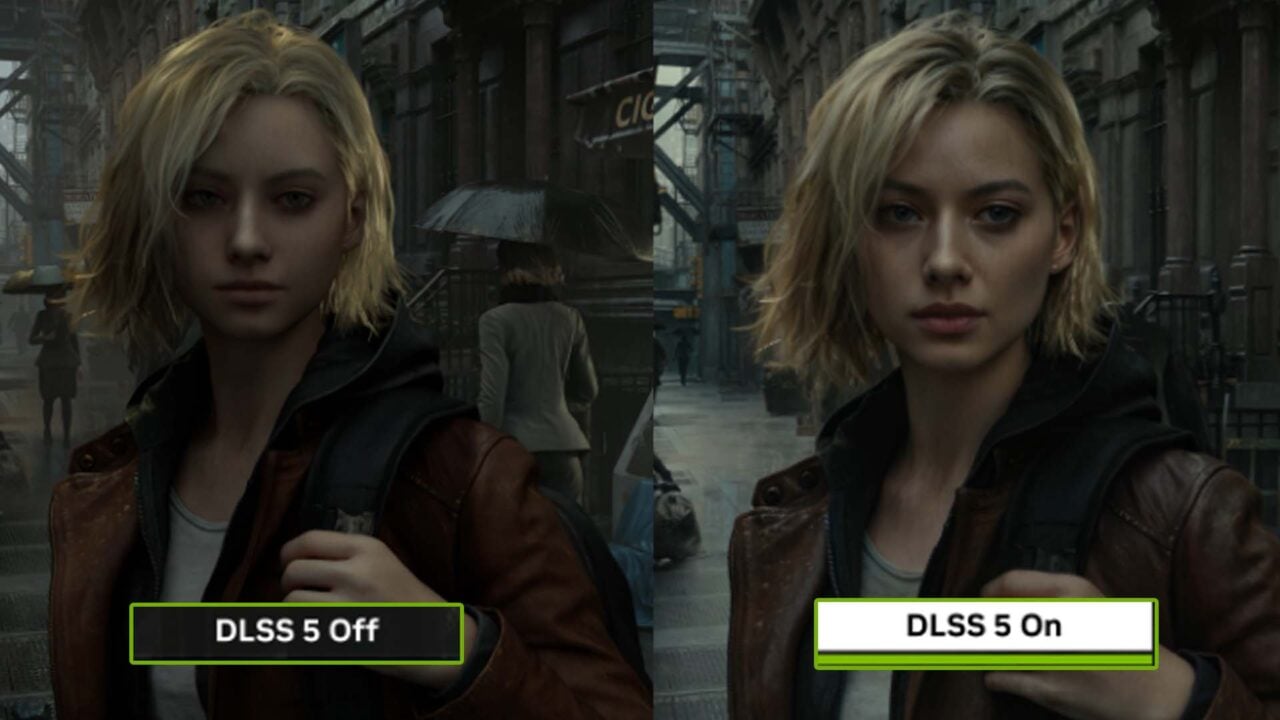
In promotional images released by Nvidia, various titles, including *Resident Evil Requiem* and *Starfield*, highlighted the DLSS 5 technology. However, feedback has been predominantly unfavorable, with some players voicing dissatisfaction over the resultant visuals. Critics have compared the outputs to amateur fan art and have pointed out that the representations of characters, especially their facial features, seem exaggerated or distorted, detracting from the original aesthetic and atmosphere of the titles.
Players have likened the enhancements to low-quality photo filters, fostering an overarching impression that the technology fails to uphold the integrity of the source material. For instance, in the case of *Resident Evil Requiem*, the AI modifications resulted in characters that appeared visually inconsistent with the game’s intended style.
### Widespread Apprehensions and Critique
Nvidia’s effort to enhance games such as *Hogwarts Legacy* and *EA Sports FC* using DLSS 5 yielded similarly mixed outcomes, with some character models looking excessively altered and less realistic. The company offered limited footage demonstrating the technology in action, which could be a calculated decision to avoid unfavorable comparisons to the original game visuals.
The gaming community has raised significant concerns regarding DLSS 5, with many questioning the value of these enhancements and the overall trajectory of AI integration within video games. As discussions proliferate across social media and various gaming forums, it seems that numerous players remain unconvinced that the graphical advancements meet their expectations for authenticity and immersion.
### Prospective Developments
DLSS 5 is expected to be incorporated into a range of upcoming titles, including *AION 2*, *Assassin’s Creed Shadows*, *Black State*, and a remaster of *The Elder Scrolls IV: Oblivion*. This wide deployment indicates that Nvidia perceives considerable potential in its AI-driven technology, regardless of the scrutiny it has faced.
Bethesda’s game director, Todd Howard, showed enthusiasm about integrating DLSS 5 into *Starfield*, suggesting that the enhancements revitalize the game. However, the mixed reactions from the wider gaming community might suggest a need for ongoing refinement to achieve a balance between technological progress and artistic authenticity.
### Final Thoughts
As Nvidia gears up to launch DLSS 5 later this fall, the response to its new upscaling technology has sparked a conversation about the role of AI in video game graphics. While advancements in visual fidelity are appreciated by some, the challenges of maintaining genuine artistic expression remain central to discussions in the gaming sector. As this technology progresses, it will be intriguing to observe how Nvidia tackles these issues and whether it can align player expectations with its vision for the future of gaming visuals.