Nvidia’s Recent DLSS 5 Announcement: A Shift in Gaming Aesthetics
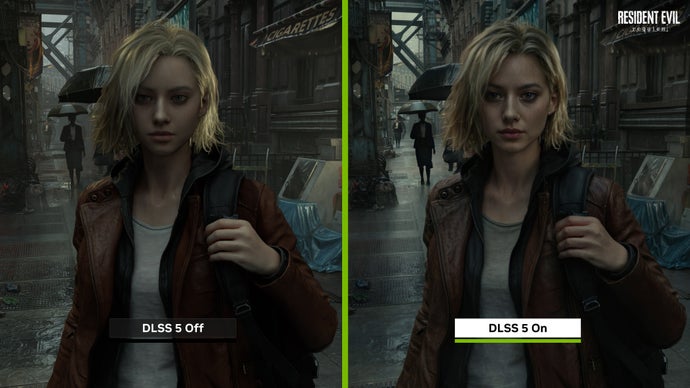
Nvidia has officially unveiled DLSS 5, a significant leap in AI-powered graphics technology, designed to enhance visual fidelity in video games. The announcement, which sent ripples through the gaming community, emphasizes a “real-time neural rendering model” that aims to integrate photoreal lighting and materials. This ambitious feature diverges from traditional enhancements like upscaling and frame generation, focusing instead on transforming the appearance of game characters and environments, arguably for the sake of “looksmaxxing.”
Critical Reception of DLSS 5
While the excitement surrounding DLSS 5 is palpable, the reception has been mixed. Critics have raised concerns regarding the implications of this new technology, particularly its potential to erode artistic intent within gaming. Several game developers and industry professionals have expressed dissatisfaction, suggesting that the alterations imposed by this new AI rendering model lead to a homogenization of aesthetics, stripping away unique artistic qualities in favor of a more commercial and generic visual output.
The focus on photorealism appears to come at a cost. For instance, preview footage has shown inconsistencies in how lighting and textures are rendered, with some critics pointing to an overemphasis on visual detail that detracts from the immersive experience rather than enhancing it. Observers note that enhancements may produce artificial contrasts and tonal shifts, resulting in visuals that may not authentically reflect the original artistic vision of developers.
Embracing New Technology
Amidst the backlash, it’s noteworthy that prominent figures within the gaming industry have publicly endorsed DLSS 5. Leadership from companies like Capcom and Bethesda, known for their flagship titles, expressed approval of the technology, emphasizing its potential to unleash artistic detail previously constrained by the limits of real-time rendering. This suggests a significant endorsement at the executive level, raising questions about the alignment of these views with the perspectives of the artists and developers who contribute directly to game design.
The implications extend beyond technical advancements; they touch on broader themes of artistic integrity and the role of technology in creative industries. As AI continues to influence art and design, discussions are increasingly centered around the cultural impact of such tools, especially concerning issues of representation, aesthetic diversity, and the importance of unique artistic voices within gaming.
Future of Gaming Aesthetics
DLSS 5 is poised to become a key player in the ongoing dialogue about the intersection of technology and artistry in games. Although it promises improvements in performance and visuals, the concerns voiced by gamers and creatives alike cannot be overlooked. As the industry navigates these changes, it will be crucial to maintain a balance between embracing new technologies and preserving the distinctive qualities that make gaming an artistic medium.
With its release slated for the upcoming autumn, DLSS 5 will be put to the test in real-world applications, and the outcomes may significantly influence the aesthetic direction of future games. As gamers and industry professionals alike await its launch, the anticipation is as much about the advancements in technology as it is about the potential impacts on the cultural landscape of gaming.