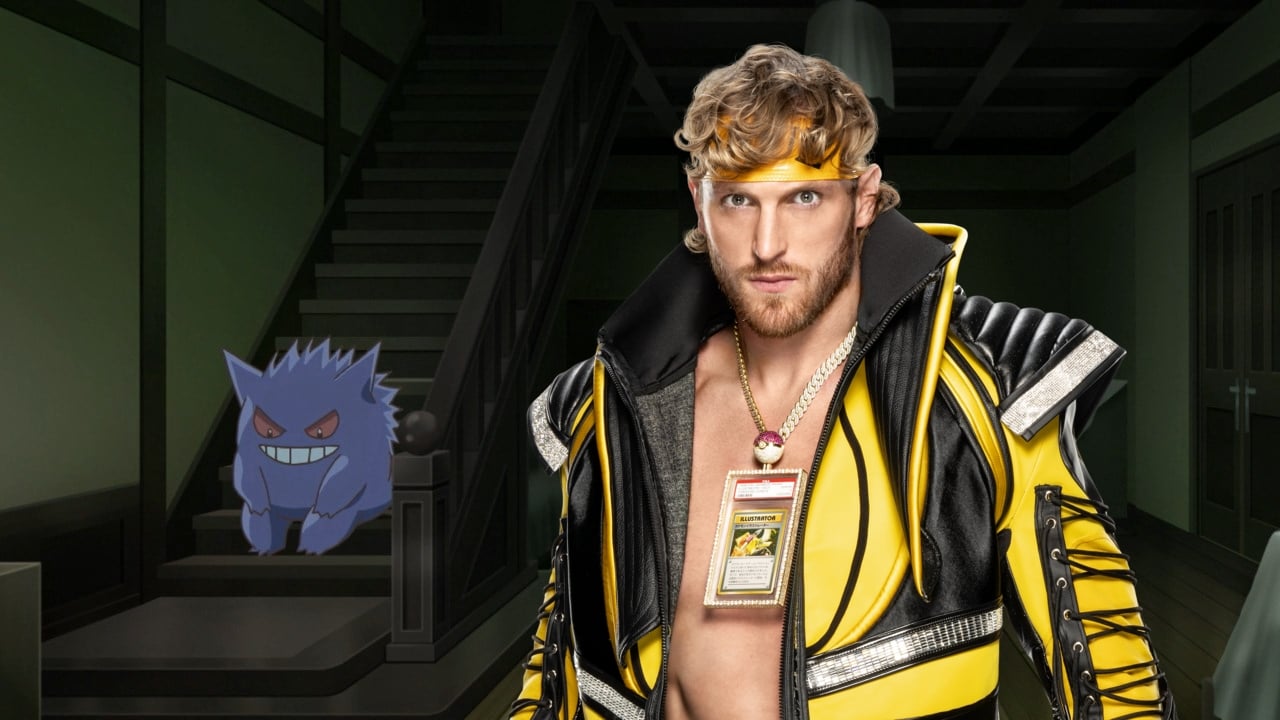
### The Dispute Around Logan Paul’s Perspective on Gengar
Within the lively realm of Pokémon fandom, personal ties to characters can ignite fervent debates. Recently, influencer and content creator Logan Paul generated buzz in the community after trying to convey his fondness for Gengar, the cherished ghost/poison-type Pokémon. Nevertheless, his remarks incited significant backlash, underscoring a rift between true fans and those seen as exploitative outsiders.
Logan Paul, who has achieved notoriety through various channels including social media and professional wrestling, has often intersected with the Pokémon world, especially through his engagement in card trading. His latest remarks on Gengar, which he labeled the “perfect Pokémon,” drew scrutiny not only for the substance of his admiration but also for the sincerity of his enthusiasm.
Paul’s zealous evaluation of Gengar featured mentions of its battle tactics and lore. He emphasized its adaptability and durability in gameplay, asserting it could excel against even strong challengers like Machamp. However, the validity of his claims was soon questioned—particularly his statement that Gengar is immune to ground-type attacks, a claim that has become outdated since Gengar lost its Levitate ability, which once provided this immunity. Such inaccuracies spurred doubts regarding the extent of Paul’s understanding of the franchise.
The conversation was further fueled by a humorous tweet from user @tiaradraws, pondering why Gengar appears to be a favorite among men. Paul inserted himself into this playful discussion, which many viewed as an unwelcome commentary. This highlights a compelling aspect of fandom; individuals like Paul, who have leveraged the Pokémon brand to enhance their own personas and profit, frequently encounter pushback from devoted fans who hold a more profound connection to the subject matter.
Critics contend that Paul’s input in the discourse seems theatrical, crafted more for spectacle than authentic fandom. His standing in the Pokémon community has been tainted by views of opportunism, particularly regarding his participation in the lucrative trading card scene. This has fostered a belief that he is primarily interested in the monetary aspects of Pokémon culture rather than its fundamental principles—friendship, competition, and adventure.
The dynamics of public perception further reveal how fandom can serve as a gatekeeper. As Paul tries to connect with fans, reactions often consist of sharp criticism while also reflecting a deeper desire within the community for authenticity. Fandom flourishes on shared experiences, and when those perceived as outsiders attempt to appropriate that enthusiasm, it can result in backlash.
Regardless of the controversy, Paul’s involvement in conversations about Pokémon, such as Gengar, acts as a reminder of how celebrity can influence fan culture. While some may value his excitement, others remain critical, hoping for a more genuine and less transactional interaction with beloved franchises. As the boundaries of fandom widen, dialogues like these promote ongoing discussions about who should be allowed to engage in these spaces and how they ought to express their enthusiasm.