**Tomb Raider I-III Remastered: Fan Outrage Over Recent Update Additions**
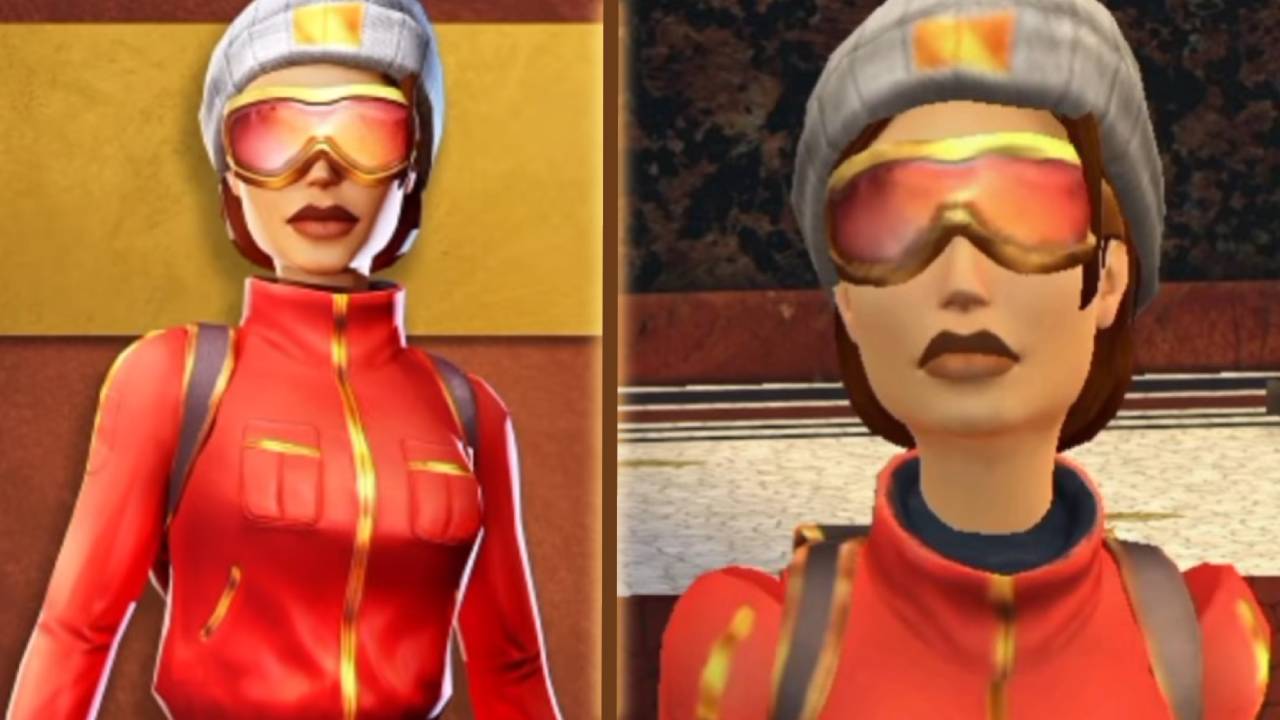
Earlier this week, a notable uproar erupted within the gaming community regarding the newest update for the *Tomb Raider I-III Remastered* collection. This update launched a new Challenge Mode and a range of outfits for the main character, Lara Croft. Regrettably, the new outfits fell short of fan expectations, attracting extensive criticism for their perceived low quality and unappealing designs.
The backlash intensified as fans speculated about the involvement of generative AI (genAI) in the creation of these outfits. This speculation was spurred by the outfits’ peculiar aesthetics, leading one of the remaster’s original artists to publicly distance themselves from them. In response to the uproar, publisher Aspyr promptly addressed the allegations, assuring that no AI was utilized in the design process. They instead credited the creation of the outfits to “our team of artists,” a statement that, while defending their staff, prompted further questions about the quality of the designs.
In an official statement through their X account, Aspyr acknowledged the fan feedback concerning the Challenge Mode update. They highlighted their commitment to resolving the issues by stating, “Our top priority is the delivery of a patch that will fix the texture issues and technical bugs.” This pledge came three days after the initial upheaval, as the company sought to alleviate fan worries regarding the game’s quality.
Although the update was free, it appears to have caused more concern for Aspyr than expected. Players who had purchased the original game, many of whom were attracted to the remastered collection due to the update promotions, expressed dissatisfaction. The frustrations extended beyond the unwelcome outfits to new technical issues that arose alongside the updates, which Aspyr acknowledged and promised to resolve in upcoming patches across all platforms.
Additionally, Aspyr took this moment to clarify specific misunderstandings. They reiterated that the poorly received outfits were produced by their team, dismissing the notion of AI-generated assets. While this clarification aimed to alleviate ongoing concerns, it unintentionally placed blame on their artists amid the backlash.
The situation raises several important questions: How did the outfits end up being of such questionable quality, particularly when promotional materials depicted vastly different visuals? The disparity between what was advertised and the actual in-game presentation was underscored by content creators such as YouTuber RUUs Room, who remarked on the significant misrepresentation of the final products in the marketing visuals.
In conclusion, although the controversy primarily revolves around new outfit designs for a video game character, it highlights broader issues within game development and quality assurance—particularly in instances where the consumer community is deeply invested. As Aspyr endeavors to address these matters, the gaming community is paying close attention, awaiting improvements and explanations for the inadequacies revealed by this latest update.