**The Debate Surrounding Nvidia’s DLSS 5: An In-depth Exploration**
Nvidia has just launched DLSS 5, the newest version of its Deep Learning Super Sampling technology, which aims to boost graphics performance by enabling higher-quality visuals to operate on less powerful systems. However, this announcement has sparked a significant amount of backlash, prompting many to reevaluate the trajectory Nvidia is taking with its flagship technology.
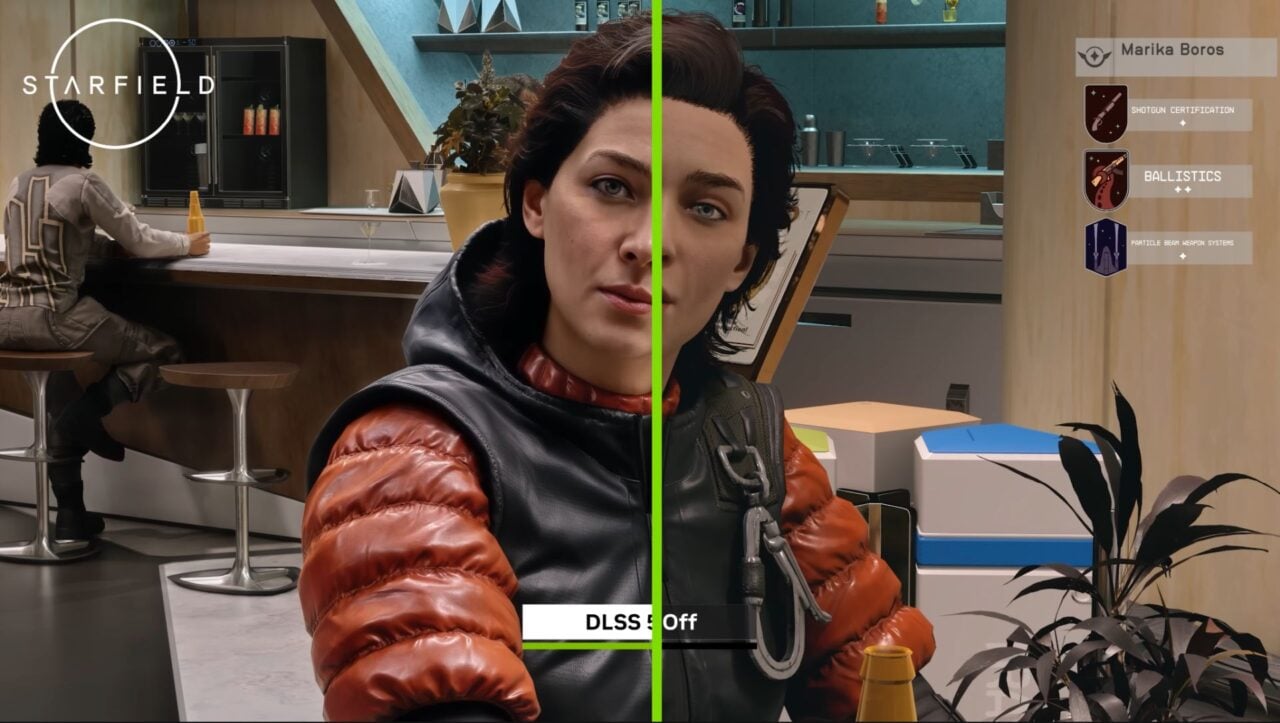
At the heart of the controversy is the disclosure that DLSS 5 has the capability to override the artistic vision of video games. Rather than simply enhancing visuals, it employs generative AI filters that critics have labeled as homogenizing and unoriginal, effectively transforming characters and environments into a stylized format reminiscent of excessively airbrushed content. The reaction has been largely unfavorable: at the time of the video’s release, it has received around 17,300 likes compared to 90,000 dislikes, clearly reflecting community discontent.
The community has voiced its opinions in a boisterous and inventive manner, with countless users utilizing social media to articulate their dissatisfaction. Remarks like “We transitioned from raytracing to sloptracing” and analogies comparing the technology to “hiring someone to remove all the taste from a potato chip” capture the frustration shared by numerous gamers and creators. This uproar prompted Nvidia to try to ease the criticism with a pinned comment stressing that game developers retain artistic authority over the impacts of DLSS 5. Despite this, many users remain skeptical, perceiving Nvidia’s responses as insufficient to address their concerns.
Traditionally, DLSS technology has been lauded for promoting improved performance across a range of gaming platforms, particularly for users with less robust hardware. By enabling games to operate at lower resolutions while delivering visuals that seem higher resolution, DLSS has facilitated broader access to high-quality gaming experiences. However, the newest version seems to pivot from performance improvement towards aesthetic alteration, raising concerns throughout the gaming community.
Memes and conversations like “DLSS 5 Off/On” have emerged, illustrating a growing resistance against the perceived encroachment of generative AI into artistic expression in video games. Both gamers and developers are conveying a pressing need to safeguard the distinct artistic identities of their beloved titles, opposing what they view as an AI-driven trend that jeopardizes the rich diversity of video game art.
In light of the criticism, Nvidia’s CEO, Jensen Huang, has maintained a strong stance, claiming that DLSS 5 incorporates artificial intelligence into game development while preserving the artist’s vision. He characterizes it as “generative control at the geometry level,” a statement that many within the gaming community find challenging to align with their own experiences or expectations.
The rollout of DLSS 5 has sparked wider conversations about the future of generative AI in gaming and its consequences for creative expression. As companies like Nvidia continue to push technological advancements, the ongoing challenge is to find a balance between innovation and honoring the artistic visions that shape the gaming industry. Whether Nvidia can adjust its strategy to resonate with community feelings remains uncertain, but the present outrage serves as a potent reminder of the significance of upholding the integrity of artistic expression in today’s digital landscape.