**Marathon’s Cryo Archive Weekend-Only Release: A Controversial Decision**
The gaming community has been buzzing since game director Joe Ziegler announced the weekend-only release of the new Cryo Archive map for Bungie’s *Marathon*. This decision has stirred mixed feelings among players, particularly casual fans who find themselves excluded from a time-sensitive event that promises unique rewards and gameplay experiences.
**Understanding the Cryo Archive**
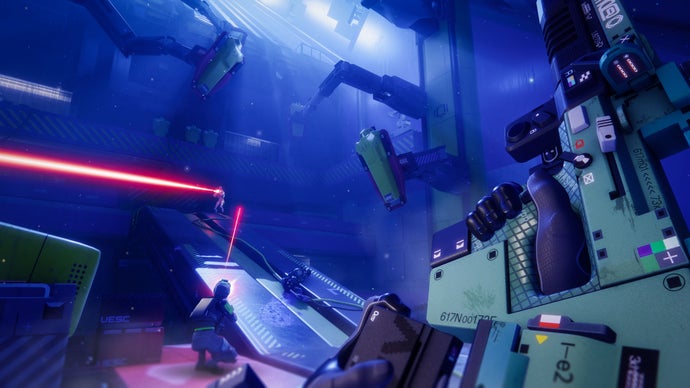
The Cryo Archive represents the first exploration of the iconic Marathon—a derelict colony ship filled with mystery and danger, including advanced weaponry and hostile AI. As players traverse the labyrinthian layout of cryopods, medical bays, and storage wings, they are met with both opportunities and challenges that require strategic planning and skill to overcome. However, to participate, players must first achieve Runner Level 25 and gather the necessary resources, making access a significant investment of time and effort.
**Ziegler’s Defense of the Decision**
In response to the backlash from the community, Ziegler outlined three primary reasons behind the weekend-only format:
1. **Encouraging Preparedness**: By limiting access to specific timeframes, Bungie hopes to incentivize players to prepare thoroughly. The challenge presented by the Cryo Archive is significant, and scheduling preparation allows players to strategize and gather required gear.
2. **Maintaining Economic Balance**: The rewards associated with Cryo Archive are potent and could potentially disrupt the game’s item economy. A 24/7 access model could lead to an oversaturation of high-tier loot, prompting adjustments in reward systems and balancing efforts.
3. **Logistical Considerations**: The inclusion of entry requirements aims to match players at similar levels of investment and skill. A consistent player pool during designated times enhances matchmaking efficiency, resulting in quicker game sessions and more competitive matches.
Ziegler acknowledges the frustration of those unable to participate during the limited times and highlights Bungie’s openness to future adjustments. Discussions surrounding staggered event timings and alternative participation conditions showcase the developers’ willingness to adapt based on player feedback.
**The Role of FOMO in Game Design**
Ziegler’s comments raise relevant points about the mechanics of live-service games and the phenomenon of Fear of Missing Out (FOMO). This design philosophy—leaving players eager for more content—has proven successful for many developers, including Bungie, as they create anticipation around exclusive experiences.
**Balancing Solo and Team Play**
While team gameplay is central to the Cryo Archive experience, there are those who prefer solitary exploration. The challenge of navigating ancient, haunted spaces alone has its allure, a sentiment echoed by critics who desire more opportunities for personal engagement within multiplayer frameworks. The balance between cooperative and solo experiences remains a nuanced conversation among players.
**Conclusion**
As players await the next Cryo Archive weekend, they are reminded of the ongoing negotiation between developers and the community. With the promise of evolving content and responsiveness to player needs, the future of *Marathon* will likely continue to foster discussions around player engagement, accessibility, and the delicate tapestry of multiplayer design. The legacy of Bungie’s innovative approaches continues to shape the landscape of interactive entertainment, leaving players eager for what lies ahead in the cold expanse of space.