### Portable Electronics and Replaceable Batteries: The Effect of the EU’s 2023 Decision
In February 2027, a landmark decision by the European Union will take effect, mandating that all portable electronic devices sold within its jurisdiction must feature replaceable batteries. This legislation represents a notable stance against the phenomenon of planned obsolescence in contemporary technology, aiming to empower consumers and foster sustainability within the electronics sector.
#### The Reasoning Behind the Legislation
The new regulation is part of the wider “Right to Repair” initiative that has gained traction in Europe over the last five years, advocating for consumer rights concerning electronics. This law intends to ensure that consumers are not compelled to replace entire devices when batteries wear out, thus decreasing electronic waste and extending the lifespan of electronic products.
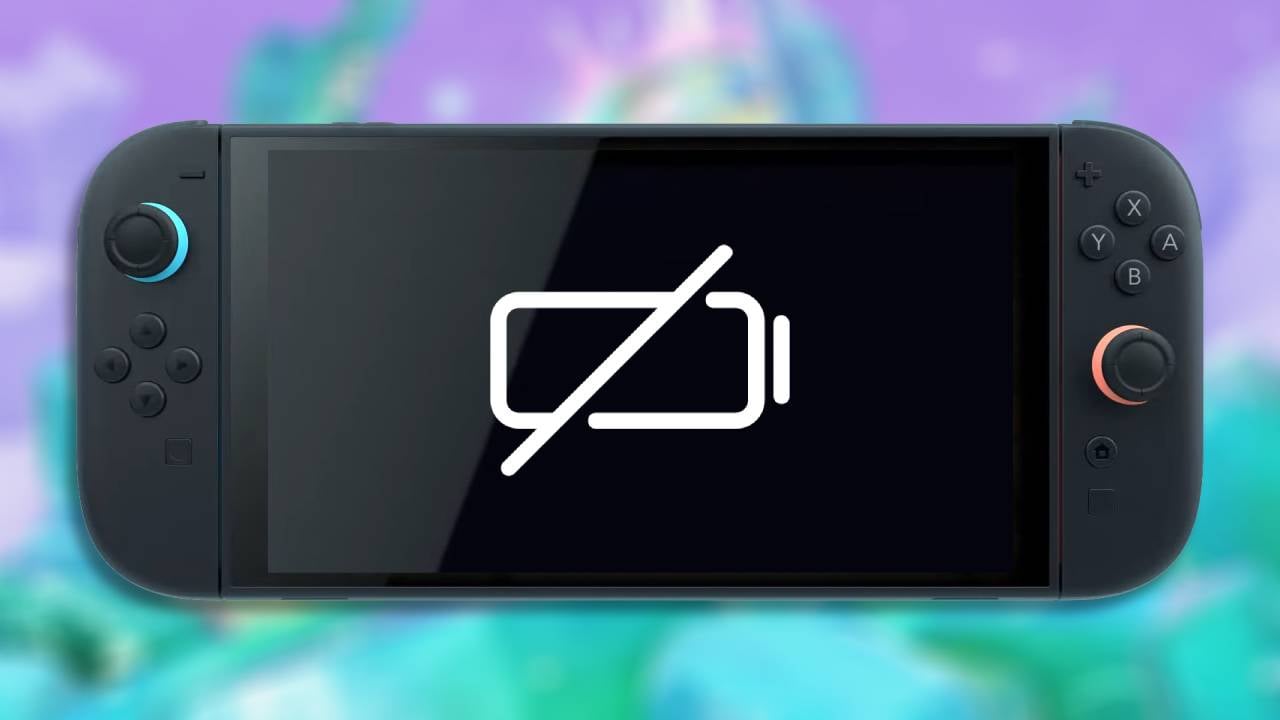
Although the regulation is extensive, it currently excludes mobile phones and tablets, leaving a significant gap. Nonetheless, it will include Nintendo’s forthcoming hybrid console, often referred to as the “Switch 2.” Reports from the Japanese outlet *Nikkei* indicate that Nintendo plans to adjust its product specifications to align with the new EU mandates, incorporating features that enable easy battery replacement.
#### Consequences for Nintendo and Consumers
For Nintendo, conforming to the new regulation brings both hurdles and advantages. The necessity to produce a variant of the Switch 2 with a replaceable battery necessitates redesigning specific components of the console and the accompanying Joy-Cons. This modification will improve the user experience, permitting players to replace batteries that have deteriorated in performance due to wear or improper charging habits.
The legislation requires that the battery replacement process be uncomplicated. Devices must not be designed in a manner that obscures or complicates this task; hence, consumers will have the opportunity to carry spare batteries with them, akin to practices from earlier technology generations. This not only improves convenience during travel but also paves the way for third-party battery manufacturers to supply upgraded or specialized options.
#### Potential for Global Influence
Although the new battery regulation is limited to the European Union, it could establish a precedent that impacts other regions globally, including Japan and the United States. If consumer awareness and demand for more sustainable electronics persist, Nintendo may contemplate making similar adaptations across all markets.
Furthermore, streamlining the production of a single model that complies with EU regulations could be cost-effective for manufacturers. By aligning their devices with the rules, companies can simplify their manufacturing workflows and eliminate the complexities involved in producing different models for various markets.
#### Conclusion
The EU’s ruling on replaceable batteries for portable electronic devices signifies a crucial milestone in the progression of consumer electronics. It is a move towards sustainability and consumer empowerment, challenging industry standards surrounding planned obsolescence. For upcoming devices like the Switch 2, this alteration holds considerable implications, promising improved usability and durability for the devices we depend on. As the technological landscape continues to transform, this legislation could motivate a broader transition toward repairability and sustainability in the global marketplace.