### The Influence of Player Decisions in Dragon Age: The Veilguard
**Introduction**
Dragon Age: The Veilguard offers a rich narrative journey, emphasizing player agency and the outcomes of choices taken throughout the gameplay. A key feature of The Veilguard is its focus on decisions that not only influence the plot but also encourage players to contemplate their choices in a significant manner.
**Choice and Consequence**
Throughout the game, players face intricate moral quandaries, including the choice of which city to rescue from a dragon’s assault. In addition to high-pressure scenarios, players partake in reflective choices that further shape their character’s persona. These instances enrich the player’s emotional engagement and prompt them to think about the reasons behind their choices.
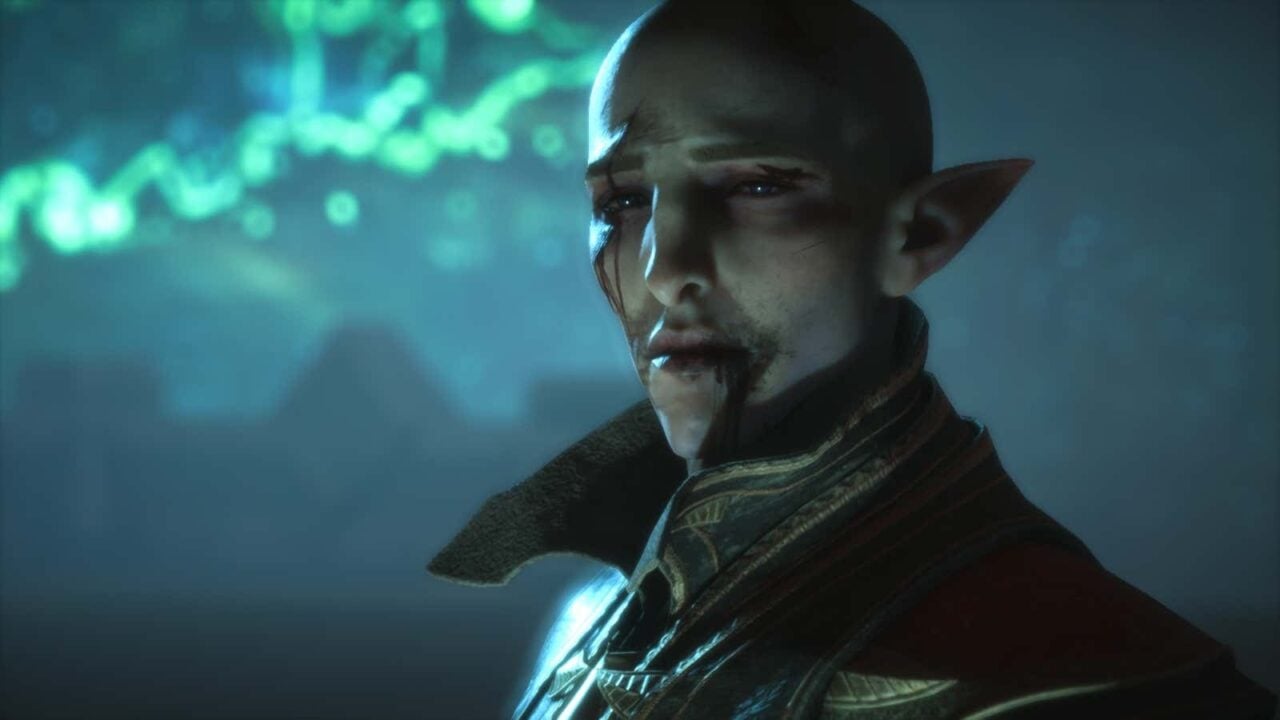
A crucial decision in The Veilguard concerns Solas, the mysterious former ally who has become an antagonist. While players ultimately tie him to the Veil—a divide between the physical realm and the spirit realm—they can approach this challenge in various manners: through sheer force, clever strategies, or pursuing redemption via an optional mission. The outcome of this choice can lead to either parting as allies or adversaries, paving the way for different emotional resolutions based on the player’s selection.
**Missed Chances for Reflection**
During the game’s earlier stages, there was an intention to feature a debriefing sequence involving the Inquisitor and Morrigan, designed to encourage players to contemplate their motivations regarding Solas. This sequence was envisioned as a conversation that wouldn’t break the fourth wall, with NPCs recognizing the player’s choices and their consequences. The absence of this scene has created a void in the player’s capacity to process their decisions.
Trick Weekes, a writer at BioWare, voiced regret about the omission of this narrative aspect, highlighting the importance of giving players the chance to articulate their character’s actions. This exchange would have not only enhanced the story but also fortified the bond between the player and their character.
**Balancing Player Freedom and Character Persona**
Designing a choice-oriented RPG requires a thoughtful equilibrium between facilitating player expression and preserving a character’s integrity. Weekes pointed out that while some players may wish to immerse themselves into the story, many are more inclined to experience the narrative through the perspective of a fully developed character. Therefore, moments that prompt players to clarify their motivations can enhance the storytelling and deepen the immersive experience.
An illustration of achieving this balance can be found in a scene within Rook’s quarters, where players can contemplate their character’s history and choices made during character creation. This moment acts as a reminder of the decisions that shape Rook, providing further emotional resonance and context before pivotal choices.
**Contemplating Identity and Decisions**
The capacity to reflect on personal decisions allows players to connect more deeply with the narrative. Weekes indicated that incorporating a scene for players to consider their motivations enriches the overall experience, linking player choices with character evolution. This narrative reflection becomes crucial during pivotal moments, such as determining which city to protect, reinforcing the relationship between player decisions and character arc.
**Conclusion**
Dragon Age: The Veilguard illustrates the complexities of choice-driven storytelling, merging player agency with character foundation. Although the elimination of certain reflective moments, like the potential dialogue with Solas, denotes a lost narrative opportunity, the game still effectively encourages players to delve into their character’s identity through impactful decisions. Ultimately, the combination of external choices and internal introspection enhances a gameplay experience that resonates profoundly with players invested in the Dragon Age realm.