**The Disintegration of the Kimzone: A Pinball Utopia Morphs into a Drug Operation**
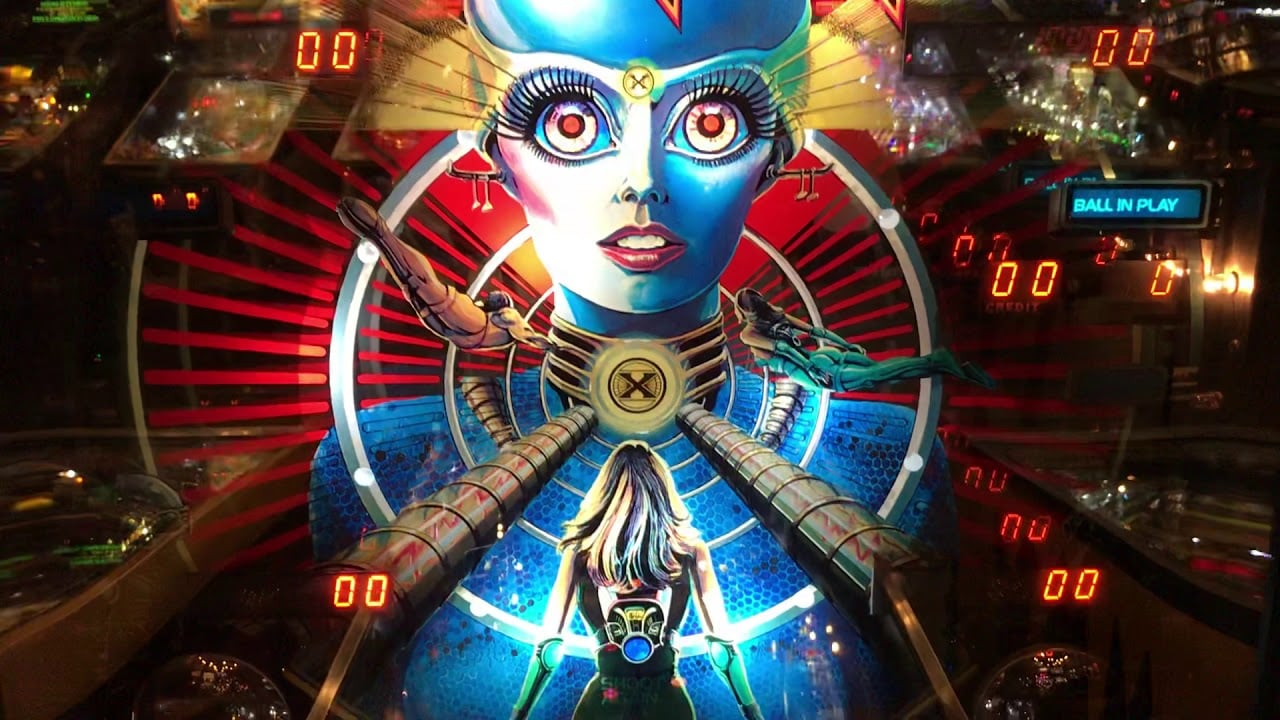
In the quaint town of Christchurch, New Zealand, Kim Michael Dozier emerged as a prominent personality through his distinctive gaming sanctuary, referred to as the “Kimzone.” For numerous years, Dozier transformed his garage into an arcade that evolved into a popular meeting place for friends, family, and the wider gaming community. It was an animated environment filled with pinball machines and spirited tournaments, providing a nostalgic escape for gaming enthusiasts. Nonetheless, the allure of the Kimzone was marred by a sinister secret: it also functioned as the hub for a substantial drug network.
In May of the previous year, law enforcement executed a raid at Dozier’s home and uncovered a concerning quantity of illegal substances, including MDMA, magic mushrooms, and cocaine, collectively valued at around $125,000. In an unexpected turn, authorities found some of the narcotics concealed within the very pinball machines that were the heart of the arcade’s appeal. Consequently, Dozier was apprehended and subsequently sentenced to four years behind bars.
The legal consequences went beyond just imprisonment; authorities began proceedings under the Criminal Proceeds (Recovery) Act to seize Dozier’s extensive collection of pinball machines, estimated to be more valuable than the drugs themselves. This collection consisted of thirteen machines, encompassing a range of eras and styles, from modern Stern tables like *Jaws* and *Godzilla* to vintage Williams models. The court determined that Dozier exploited his arcade as a façade for running a sophisticated drug trafficking operation from his residence.
Judge Stephen O’Driscoll emphasized the deliberate nature of Dozier’s operation during the sentencing, stating, “You were managing a relatively sophisticated operation to finance your lifestyle and engage in drug dealing, especially in the later phases when you were without a job.” Dozier’s illegal endeavors mirrored a broader, concerning truth where environments like arcades, once seen as innocent gaming realms, became entangled with criminal activities.
The convergence of gaming culture and illicit actions is not unprecedented. Traditionally, arcades have been known for their occasionally dubious atmospheres, which can sometimes facilitate under-the-table dealings. This contrast is frequently referenced in pop culture, with various leading stories—such as those by cyberpunk writer William Gibson—emphasizing the gritty allure of these gaming locales as breeding grounds for diverse subcultures.
Despite the severity of his crimes, Dozier’s attorney indicated that he had reconciled with the loss of his pinball machines. Additionally, his status within the local pinball scene remains largely intact, as he still holds the position of the 30th best player in New Zealand. This resilience illustrates the intricate nature of community dynamics, wherein personal transgressions do not necessarily overshadow an individual’s legacy.
In summary, the story of Kim Michael Dozier stands as a cautionary narrative that illuminates the darker side of arcade culture, where nostalgia and fellowship can occasionally obscure more troubling truths. The Kimzone may have originated as a mere gaming haven, but it ultimately evolved into a stark reminder of how swiftly the boundaries can fade between enjoyment and criminality in the lively landscape of gaming.