# The Game Boy Advance: Commemorating 25 Years of Handheld Gaming Excellence
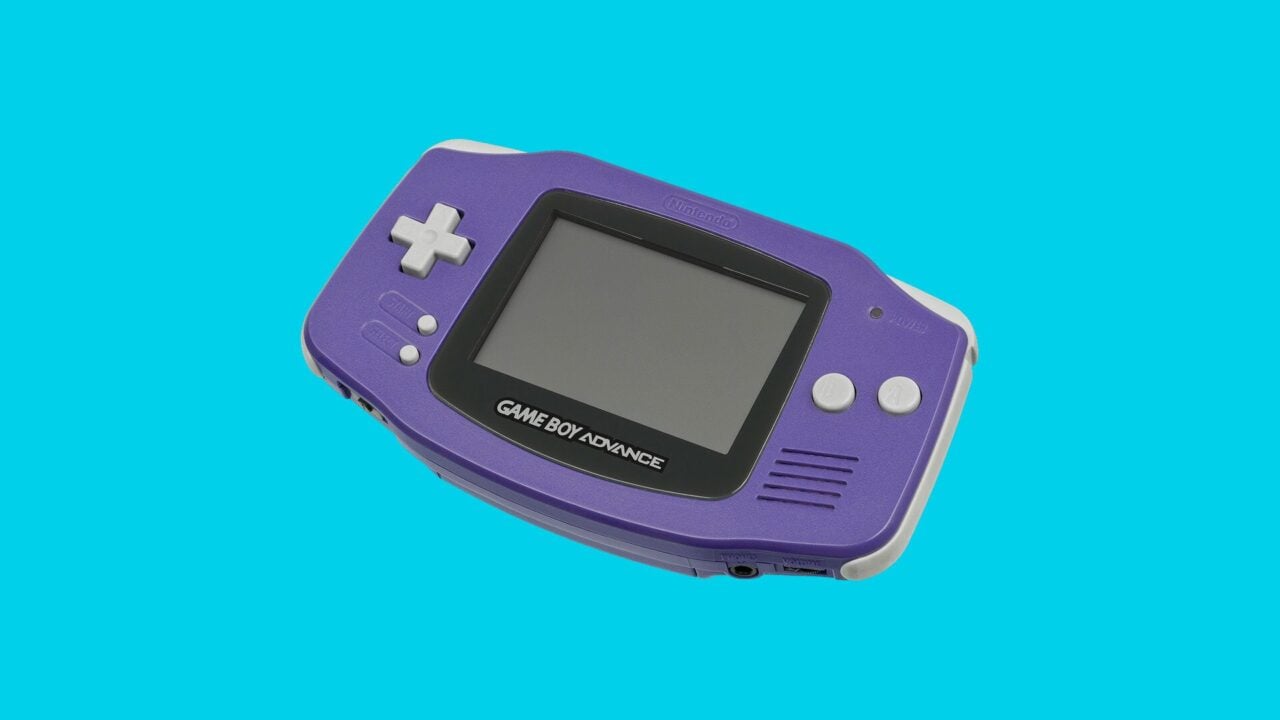
If you were a gamer in the early 2000s, chances are you experienced it on a Game Boy Advance. Debuting in 2001 as a purple, somewhat hexagonal device, the hardware improvements over the Game Boy Color’s outdated technology marked the beginning of a new era filled with vibrant pixelated gameplay. Then arrived the incredibly stylish Game Boy Advance SP, which featured flip-phone-like functionality and a backlit screen. One thing was clear: the Game Boy Advance was *the* portable console of its time.
By the closing of its remarkable lifespan, an abundance of fantastic titles had been released, enough to occupy the Library of Alexandria. As the portable device commemorates its 25th anniversary since its launch in Japan, we reflect on the 15 greatest GBA titles and what set them apart.
## Pokémon FireRed/LeafGreen (2004)
*Pokémon* reached new heights during Generation III. The roster of Pokémon soared to an astonishing 386, and the introduction of double battles transformed the gameplay into a genuine strategic experience. While *Ruby* and *Sapphire* were outstanding, it’s *FireRed* and *LeafGreen*—remakes of *Red* and *Blue*—that truly stood out. They maintained the original storyline while modernizing game mechanics and visuals, adding the Sevii Islands with its narrative and gameplay, leading to a rich reimagining.
## Final Fantasy Tactics Advance (2003)
*Final Fantasy Tactics Advance* combines tactical role-playing with enchanting storytelling reminiscent of *The NeverEnding Story*. Players traverse a fantasy world through turn-based battles governed by quirky rules while strategizing around an intricate progression system. Even with visuals typical of the GBA’s vibrant aesthetic, it distinguished itself with its engaging soundtrack, further enriching the gaming experience.
## Ninja Five-O (2003)
A distinctive blend of *Shinobi*, *Rolling Thunder*, and *Bionic Commando*, *Ninja Five-O* places you in the shoes of a ninja who excels in rapid movements and accurate sword fighting. Featuring a grappling hook for swift navigation through intricately crafted levels, this title offers an arcade-quality experience that excels as a portable action game.
## Final Fantasy VI Advance (2007)
Though there’s no definitive English version of Squaresoft’s classic, the GBA iteration comes the closest. It enhanced the graphics of the original, retranslated dialogue, and included additional content for late-game, making it a favored choice for enthusiasts. This port remains an excellent way to experience the incredible tale of Terra, Mog, and Kefka.
## Metroid: Zero Mission (2004)
*Metroid: Zero Mission* reinterprets Samus Aran’s original journey from 1986’s *Metroid* with contemporary gameplay enhancements and narrative depth. Features such as improved controls and a more captivating story have rendered this version the definitive way to engage with Samus’ first mission through Zebes.
## Castlevania: Aria of Sorrow (2003)
*Aria of Sorrow*, the last GBA chapter of *Castlevania*, closely aligns with the celebrated *Symphony of the Night* style. Introducing a new protagonist, Soma Cruz, players can absorb enemies’ souls for unique abilities, promoting dynamic gameplay. Its responsive action, immersive atmosphere, and collectible elements elevate it above previous titles.
## Tony Hawk’s Pro Skater 2 (2001)
The GBA rendition of *Tony Hawk’s Pro Skater 2* distinguished itself among numerous versions due to its captivating gameplay and legendary tricks. Despite transitioning to an isometric perspective, the game captured the excitement of skating and delivered an unmatched handheld experience for its era, complete with an unforgettable soundtrack.
## WarioWare: Twisted! (2005)
*WarioWare: Twisted!* revolutionized the microgame genre through the incorporation of motion controls, stretching the Game Boy Advance’s potential. Featuring a range of absurd and comical quick challenges, it provided a playful experience with unlockables that highlighted Wario’s signature eccentricity.
## The Legend of Zelda: The Minish Cap (2005)
*The Minish Cap* merges inventive gameplay with classic Zelda mechanics, introducing a shrinking feature that alters the world and foes. This installment innovated while retaining the series’ fundamental essence, giving players a delightful experience and elaborating on plot elements from the *Four Swords* saga.
## Advance Wars 2: Black Hole Rising (2003)
This tactical title built upon its predecessor by introducing additional units, varied terrain types, and command officers while maintaining the winning formula of the original. Its nonlinear campaign added complexity to the strategic gameplay, rendering it a commendable sequel.
## Rhythm Heaven (2006)
First launched in Japan, *Rhythm Heaven* presented unique musical mini-games that showcased the creativity of the minds behind *WarioWare*. The groundbreaking gameplay mechanics and memorable challenges