### The Rise of Indie Games in the Late 2000s and Early 2010s: A Look Back at Superbrothers: Sword & Sorcery EP
The late 2000s and early 2010s marked a significant turning point in the gaming industry, particularly for indie games. While indie gaming has roots that extend far beyond this period, it was during this era that indie titles began to carve out a distinct identity separate from blockbuster games. The release of games like *Fez* represented a shift not only in the types of games being made but also in who could achieve commercial success within the industry.
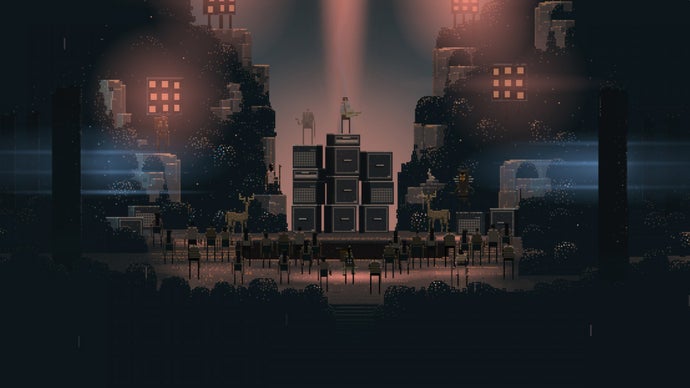
One of the hallmark titles of this indie revolution is *Superbrothers: Sword & Sorcery EP*, which celebrates its 15th anniversary today. Developed by the Canadian indie studio Capybara Games, *Sword & Sorcery* is a quintessential example of what made indie games so compelling during this time.
Originally designed for mobile platforms, particularly the iPhone and iPod Touch, *Sword & Sorcery* was a groundbreaking experience that stood out in a nascent mobile gaming market. This was an era when traditional monetization models were still being established, and the prevalent free-to-play model, laden with gacha mechanics and countless microtransactions, had yet to dominate. As a result, *Sword & Sorcery* was able to offer a unique, focused gaming experience without the intrusive monetization strategies that have since come to characterize many mobile titles.
The game adapted the classic point-and-click adventure genre for a modern audience, infusing it with contemporary cultural references and a whimsical aesthetic. One of its most innovative features was the integration of social media; the dialogue was crafted to be concise, with each line being shorter than 140 characters, allowing players to share snippets seamlessly on platforms like Twitter. This design choice not only made the experience more engaging but also fostered a sense of community among players, even before social media gaming became ubiquitous.
The impact of *Sword & Sorcery* was profound. It tapped into a rich lineage of adventure games while simultaneously addressing an audience that was looking for something different in the rapidly evolving mobile landscape. The art style, music, and overall storytelling were not just elements of gameplay, but a cohesive narrative experience that resonated with players.
Reflecting on this era, it becomes clear that the landscape for mobile indie games has changed dramatically since the release of *Sword & Sorcery*. The saturation of games filled with monetization schemes and homogenized content has overshadowed the creativity once prevalent in mobile gaming. While innovations continue to emerge, one cannot help but long for the sense of discovery and authenticity that games like *Sword & Sorcery* embodied.
In celebrating its 15th anniversary, now is an excellent time to revisit *Superbrothers: Sword & Sorcery EP*. Currently available at a heavily discounted price on platforms like Steam, it serves as a nostalgic reminder of a unique time in gaming history, one filled with creativity and potential. As we dive back into this timeless classic, we can appreciate not just the game itself but also what it stood for during a pivotal moment for indie gaming—a future that was bright, diverse, and less constrained by commercial pressures.