**Delving Into the Emotional Resonance of Pokémon Pokopia: Mimikyu’s Adventure**
Pokémon Pokopia, the newest entry in the cherished Pokémon series, presents players with a distinctly somber quest. While the game comprises elements of playful Pokémon exchanges, it explores a more profound narrative steeped in post-apocalyptic lore that frequently resonates emotionally with its audience. A prominent feature of the game is its depiction of Mimikyu, the ghost/fairy-type Pokémon adored by fans for its moving backstory and lovable traits.
Within Pokémon Pokopia, players must establish small environments to lure wild Pokémon into their village. These environments are often tailored to meet the distinctive requirements of various Pokémon, such as offering foliage for grass-types or aquatic elements for water-dwelling species. Mimikyu, however, stands out with its “Pikachu space,” a setting that includes a sofa shaped like Pikachu and a doll, symbolizing its yearning for acceptance and affection akin to that of its iconic counterpart, Pikachu.
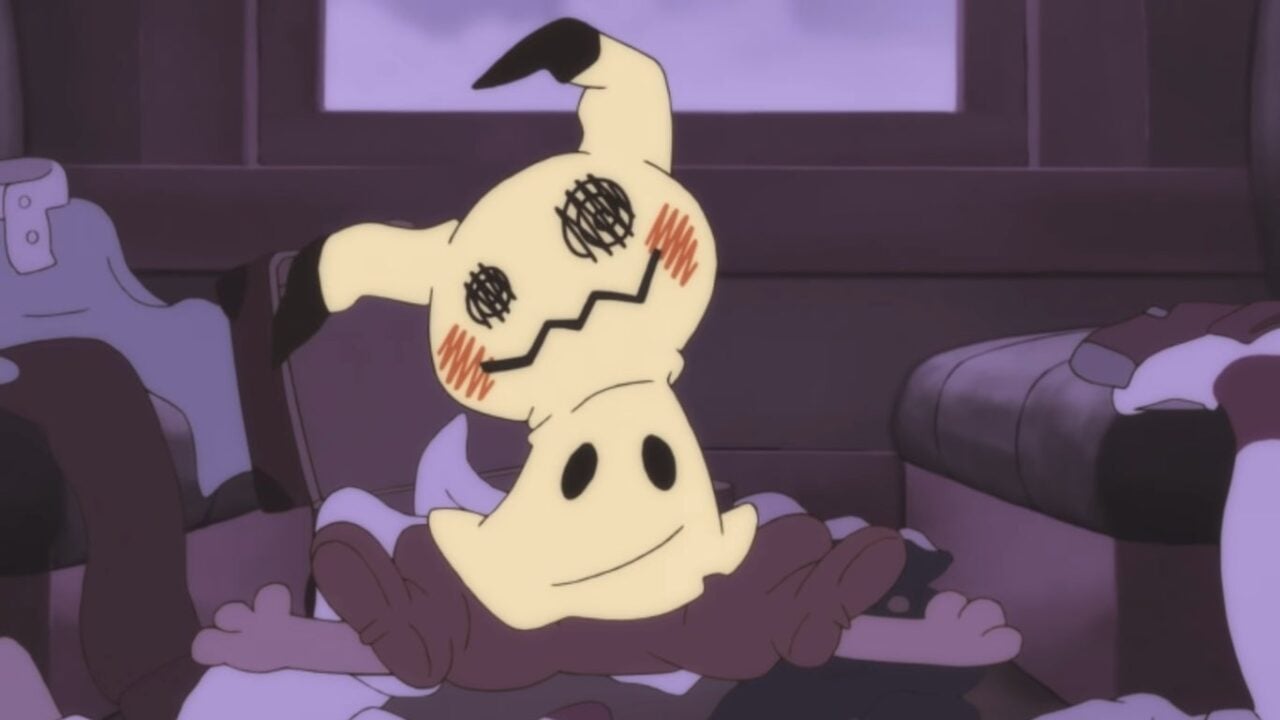
Upon first meeting Mimikyu, it appears as a harmless Pikachu, attempting desperately to conceal its true self behind a tattered disguise. As the interaction progresses, Mimikyu unveils its hidden insecurities, confessing a deep longing for friendship but fearing rejection due to its intimidating true appearance. This revelation injects an emotional dimension into the gameplay, as players come to understand the solitude Mimikyu has endured.
Once Mimikyu integrates into the village, it conveys appreciation to the player, emphasizing the significant effect of compassion on its character growth. The narrative highlights the theme of acceptance; Mimikyu’s earlier apprehensions about being unloved resonate profoundly, illustrating the extent it goes to forge friendships in a world that has often judged it superficially.
The dynamics of the relationship between Mimikyu and Pikachu further enhance the storyline. Although there isn’t a special dialogue between them in Pokémon Pokopia, their interaction weaves a fascinating story of friendship conquering fear. Mimikyu discloses its true form to Pikachu, initially inducing terror, but ultimately fostering reconciliation and camaraderie, symbolizing the strength of understanding and acceptance in transcending preconceived ideas.
Mimikyu’s backstory, which has gained considerable admiration since its introduction in Pokémon Sun and Moon, mirrors the experiences of fans grappling with acceptance in their own lives. The anime further delves into Mimikyu’s struggles, vividly illustrating its pursuit of camaraderie amidst societal ostracism. Despite the allusions to its real appearance across various media, Mimikyu’s intrigue lies in its enigma, sparking ongoing conversations within the Pokémon community about its genuine form and potential evolution that could unveil its true identity through friendship.
In summary, Pokémon Pokopia serves not only as a source of entertainment but also stimulates contemplation and empathy through its character interactions, especially with Mimikyu. The game acts as a reminder of the significance of kindness and acceptance, motivating players to embrace those who may feel different or misunderstood. As players traverse this emotionally rich terrain, they engage not only with the Pokémon universe but also reflect on the deeper ties that connect us all.