**The Lasting Impact of *EverQuest* and the Thrilling Launch of *EverQuest Legends***
Since its debut on March 16, 1999, *EverQuest* has remained relevant, enchanting the gaming world 27 years later. Created by Sony Online Entertainment, this landmark MMORPG (Massively Multiplayer Online Role-Playing Game) came out five years before *World of Warcraft*, yet it still holds a vital place in the genre. Its sustained popularity is largely due to ongoing development, consistent expansions, and a smooth transition after Sony transferred ownership to a private equity firm, renaming it Daybreak Game Company.
In a recent revelation that has generated buzz among gamers, *EverQuest* is set to be transformed into *EverQuest Legends*. This new version seeks to blend nostalgia with contemporary gaming trends, particularly appealing to those who prefer solo play. As outlined on the official *EverQuest Legends* site, the game will not merely recreate the original experience. Rather, it has been overhauled to integrate features that cater to more relaxed and solo gameplay while keeping the spirit of the original 1999 release intact.
In the late 1990s, players had to decide between two legendary games: the groundbreaking *Ultima Online* and *EverQuest*. Opting for *EverQuest* over *Ultima Online* often felt like a crucial choice among gamers, symbolizing their commitment to a new era of online gaming. *EverQuest* provided a classic gameplay experience, heavily inspired by Dungeons & Dragons and the text-based MUDs that came before it. This link attracted many players yearning for an engaging role-playing experience in a communal environment.
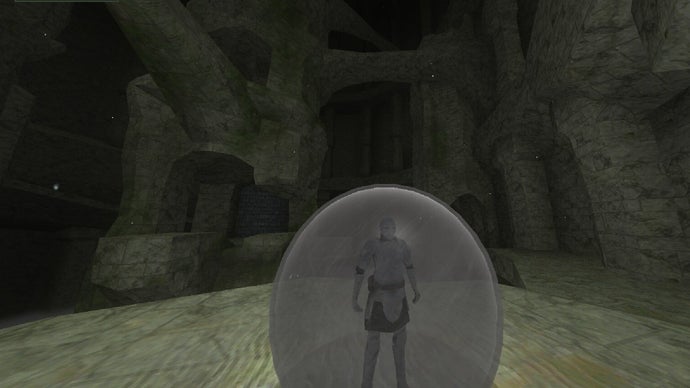
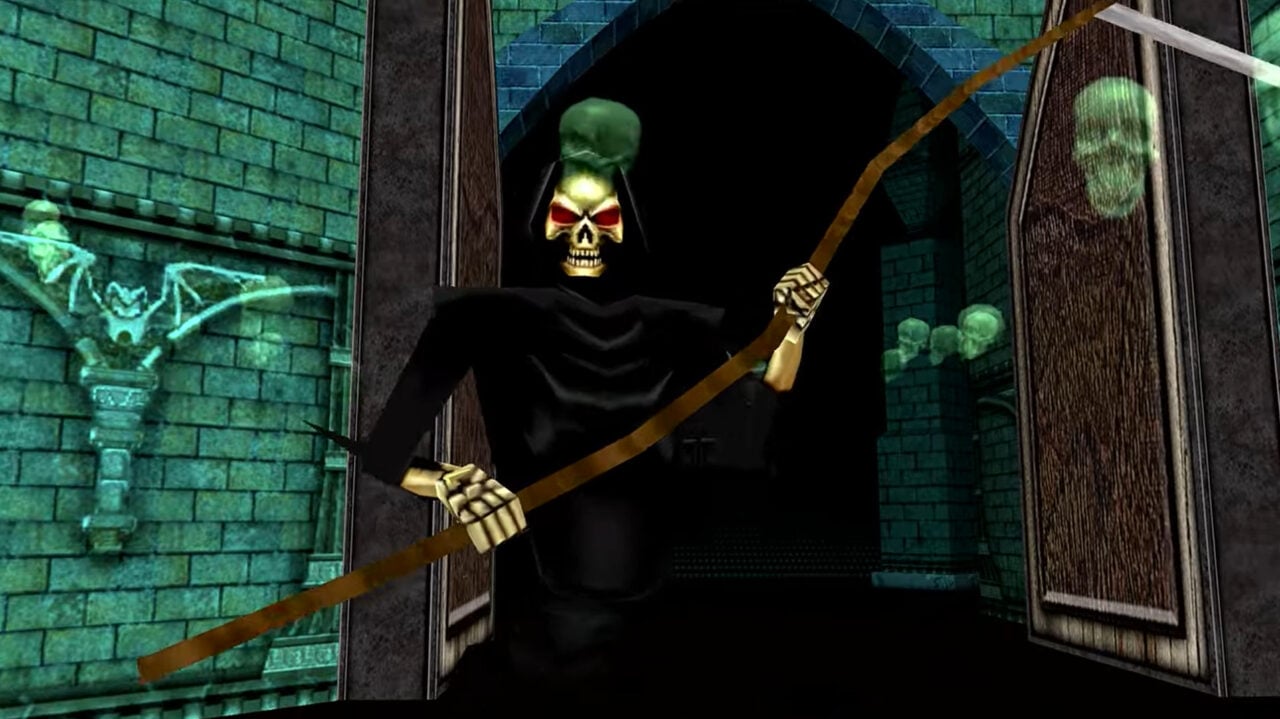
The original game was celebrated for its vibrant settings and intricate lore, yet many players might struggle to remember specific elements after almost thirty years. The announcement of *EverQuest Legends* rekindles that nostalgia, especially since it has been tailored for modern preferences – focusing on solo play while still accommodating group interactions, featuring four-person parties and eight-person raids. Players can look forward to a multi-class character system, offering flexibility in gameplay with combinations like a rogue/paladin/wizard mix in the beautifully reimagined Norrath, complete with its original artistic style and music.
While the redesign may not appeal to all the traditionalists hoping for an authentic revival, the initiative targets a new demographic looking for accessible and captivating MMO experiences. The buzz surrounding *EverQuest Legends* is amplified by the enthusiasm of both long-term fans and newcomers, eager for a novel perspective on a classic.
As the gaming community anticipates the beta phase, which has yet to be scheduled, many hope that *EverQuest Legends* will manage to honor its origins while meeting modern gameplay desires. The revival also opens avenues for fans to envision potential remakes of other cherished titles, fueling conversations about the future of classic MMOs in today’s gaming realm.
In summary, the historical importance of *EverQuest* and the excitement surrounding *EverQuest Legends* embody the continual progression of the MMO genre. As players prepare to immerse themselves in a familiar yet renewed world, the legacy of *EverQuest* continues to flourish, showcasing the lasting influence of community and creativity in gaming.