**OpenAI Closes Sora: The Conclusion of an AI Video Production Epoch**
On the previous day, OpenAI announced the termination of Sora, its AI video production application and social networking site that generated content featuring beloved characters from franchises like *Pokémon*, *Spongebob*, and *Dragon Ball*. This choice arises as OpenAI shifts its focus towards coding and commercial operations in preparation for a potential public listing later this year. The shutdown signifies a noteworthy shift in the AI domain, especially given Disney’s prior declaration of a $1 billion investment in Sora, with the aim of incorporating its characters into the platform. Now, that partnership has ended, marking one of the clearest indications of the AI bubble deflating.
For those who appreciated easy content creation via Sora, this announcement is disappointing. On the other hand, artists and creators, who have struggled as companies increasingly adopt generative AI for content production, may see this as a triumph. The discourse surrounding AI as the future of numerous creative sectors has faced doubt, and the closure of one of the sector’s prominent applications underlines this skepticism.
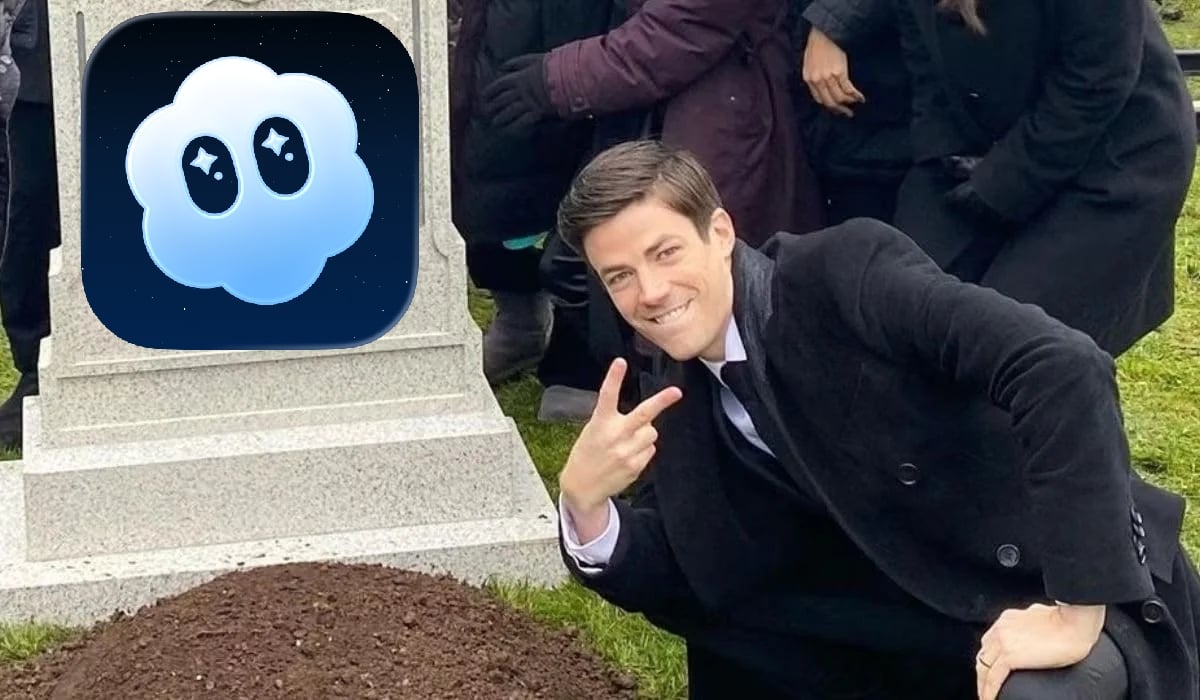
In a message posted on Twitter, Sora thanked its community, saying, “We’re bidding farewell to the Sora app. To everyone who created with Sora, shared it, and fostered community around it: thank you. What you crafted with Sora mattered, and we understand this news is disappointing.”
Reactions online have ranged from comedic interpretations to supportive messages. Many have employed humor to underscore the scenario, with tweets alluding to the app’s namesake from the *Kingdom Hearts* franchise, engaging in lighthearted exchanges about the rise and fall of AI-generated content. Some users have called for a broader cessation of AI-generated platforms, while others have touted the shutdown as part of a larger trend of the AI industry encountering significant obstacles.
Although the closure of Sora alone might not dismantle the entire generative AI framework, it acts as a significant indicator of shifting perceptions towards AI in the entertainment sector. Industry analysts hope this moment will encourage deeper examination and reassessment of AI’s function in creative fields, particularly as more individuals and businesses rethink their dependence on machine-generated content.
As conversations continue regarding the ramifications of Sora’s exit, it becomes evident that while AI technologies have achieved significant progress, their role in the creative realm remains heavily debated. The progression of AI applications will certainly persist, but Sora’s shutdown serves as a reminder of the intricacies and challenges associated with swift technological evolution.