**The Present Condition of the Video Game Industry: Perspectives from Brenda and John Romero**
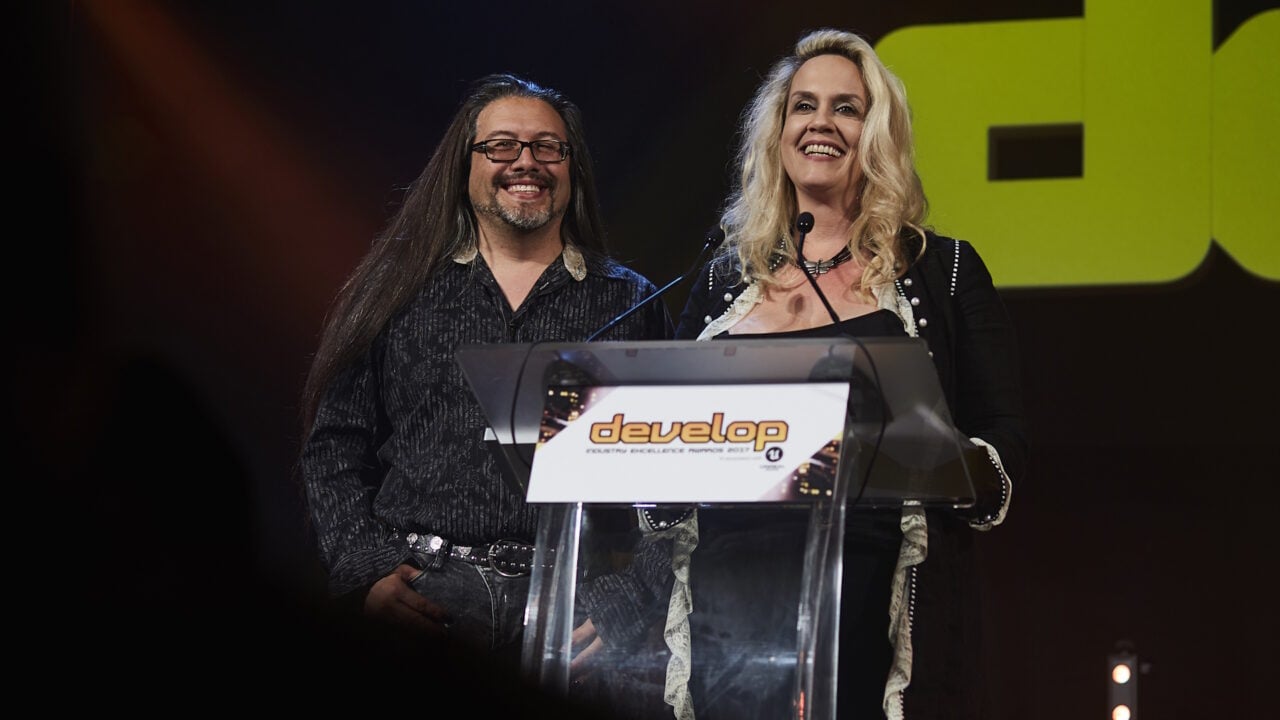
Brenda and John Romero, two key personalities in the video game sector, express a profound comprehension of its intricacies, having been influential players for many years. Brenda, recognized for her pivotal role in the *Wizardry* series, especially as the lead designer of *Wizardry 8*, and John, co-creator of the revolutionary first-person shooter *Doom*, have observed the transformation of gaming from its early stages to the contemporary challenges it faces. Their recent thoughts on the industry’s current condition, which they describe as being in a worse state than the notorious crash of 1983, warrant significant consideration.
Brenda Romero voiced her worries during a conversation with *GI.biz*, pointing out not only extensive layoffs and failures but also the personal repercussions of these developments on her own studio, Romero Games. The sudden withdrawal of funding by Xbox, occurring alongside substantial layoffs impacting around 10,000 Microsoft staff members, led to dire outcomes. “We were there in the ’80s for the crash, and this is definitely crashier,” she remarked, making a stark distinction between the historical crisis and the current troubles confronting the industry today.
The 1983 video game crash was triggered by an overly saturated market and a sharp revenue decrease that fell by 97% over two years. This decline led many to conclude that video gaming might not endure as a sustainable market. Nevertheless, this trend was reversed with the successful debut of the Nintendo Entertainment System, which rejuvenated the industry.
While the present market is not undergoing a 97% collapse, the financial and operational repercussions today are arguably more profound. The industry has experienced significant losses concerning revenue, employment, and the closure of studios. With escalating development costs for AAA games—expected to surpass $300 million by 2026—the risks are exceptionally high. As Brenda highlighted, job losses happen irrespective of a game’s success or failure, contributing to an industry atmosphere fraught with uncertainty and instability.
“There are so few people that have not been affected,” Brenda noted, emphasizing the widespread concern among industry professionals regarding job security and the future of their organizations. John Romero further illustrated this issue by citing *Battlefield 6*, which, even though it was a financial success in 2025, resulted in layoffs at the various studios that contributed to its development, raising doubts about the viability and sustainability of the current business framework.
As the industry confronts these obstacles, neither Brenda nor John possesses a clear solution for how it can rebound. Brenda expressed her uncertainty, even as she promotes innovative game design and supports women in the industry. After a drastic downsizing of her team from 110 employees to merely nine, she remains philosophical about their future. “I know we’re going to be OK for the next little bit. And if something falls over sideways, and 2027 is another ‘exciting’ year, we’ve both had a good run,” she remarked, signifying a blend of resilience and acceptance of the industry’s unpredictability.
The perspectives from Brenda and John Romero highlight a pivotal juncture for the video game industry, indicating a necessity to reassess how games are created and how the business functions to ensure a sustainable future amid increasing challenges.