**Nintendo’s Patent Challenges: A Deep Dive into Character-Summoning Mechanics and Legal Battles**
Nintendo has recently faced significant setbacks regarding its efforts to patent the concept of summoning video game characters to engage in battles, particularly in the context of its ongoing copyright infringement lawsuit against Pocketpair, the developers of *Palworld*. Though Nintendo’s patent claims in the United States were initially granted, the U.S. Patent and Trademark Office (USPTO) has now issued a non-final decision to revoke these claims, granting Nintendo a two-month window to appeal this ruling.
**Background of the Lawsuit**
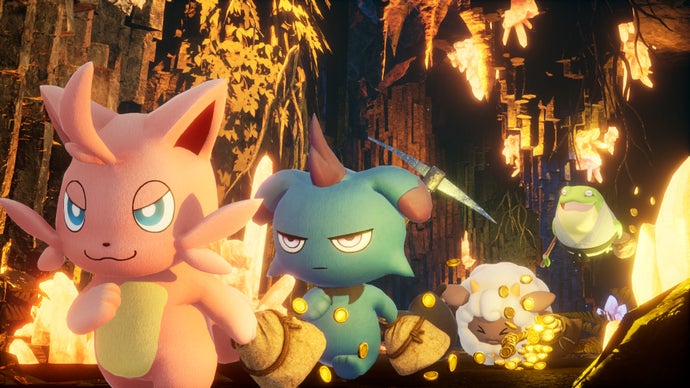
The legal proceedings began in September 2024, when Nintendo filed a lawsuit against Pocketpair in the Tokyo District Court. The lawsuit contends that *Palworld*, a monster-catching survival game with design elements reminiscent of Nintendo’s iconic Pokémon series, infringes upon Nintendo’s patented game mechanics. While some speculate that this is a case of copyright infringement, legal experts, including one consulted by *Rock Paper Shotgun*, argue that the issue lies more with the innovative game mechanics rather than outright copyright theft.
Nintendo asserts that Pocketpair has borrowed their ideas, particularly the mechanics that involve summoning monsters to aid players in combat. This claim raises important questions about the originality and legal ownership of common gaming mechanics.
**The Patent in Question**
Nintendo’s character-summoning patent, officially known as US Patent No. 12,403,397, was granted on September 2, 2025, and contains 26 individual claims regarding gameplay mechanics. The patent’s validity was challenged when USPTO director John A. Squires ordered its reexamination amid concerns that it may not meet the necessary standards for originality.
The examination proceeded in Nintendo’s absence after the company failed to respond by the set deadline. The recent USPTO ruling rejected Nintendo’s claims on the grounds that the ideas were not sufficiently innovative and referenced “prior art” – earlier patents from Nintendo and other game developers, such as Konami and Bandai Namco. Essentially, the USPTO argues that the concepts are obvious combinations of existing ideas in the gaming landscape.
**Impact on the Gaming Industry**
Should Nintendo succeed in establishing their character-summoning mechanics as exclusive intellectual property, repercussions could extend far beyond *Palworld*. Many game developers, including major studios like Atlus and FromSoftware, could face legal challenges or be forced to modify existing game designs that incorporate similar mechanics.
In response to the ongoing controversy, Pocketpair has begun to amend elements of *Palworld* to comply with Nintendo’s legal demands. However, the studio remains outspoken in its commitment to its fanbase, promising to protect the creative endeavors of indie developers against Nintendo’s legal maneuvers.
**Looking Ahead**
Despite the current challenges, Nintendo continues to pursue its goal of securing rights over the character-summoning mechanic. This pursuit not only affects *Palworld* but also casts a shadow over various upcoming gaming projects that share similarities with Nintendo’s patented gameplay.
The situation signifies a broader battle over intellectual property in the gaming industry, where developers navigate the fine line between inspiration and infringement. As Nintendo prepares its response to the USPTO, the outcome could reshape the landscape of game mechanics and influence how developers conceptualize their gaming experiences.
In conclusion, the ongoing legal disputes underscore the complexities of patent law in an industry defined by creativity and innovation. As Nintendo’s case develops, the outcome will undoubtedly set important precedents for intellectual property rights, gaming mechanics, and the future of game development as a whole.