### The Effect of Update Anticipations on Game Development: An Examination of *Peak*
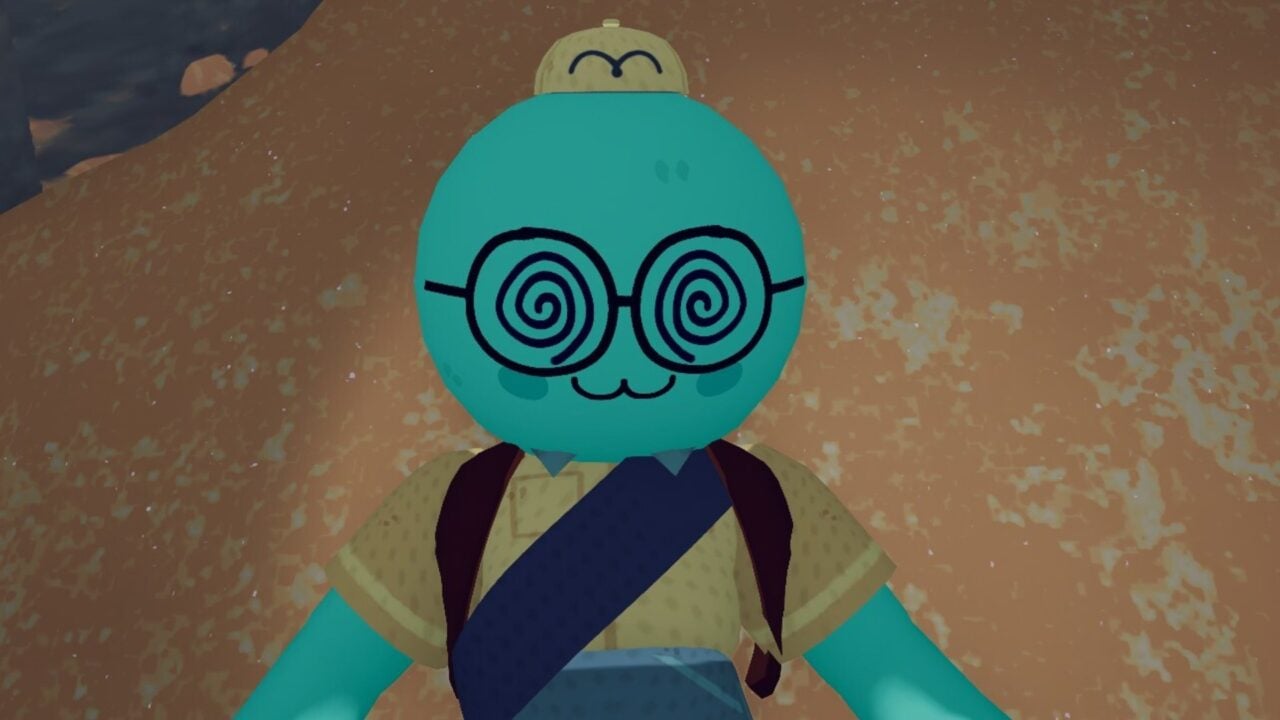
In the constantly changing realm of video game creation, *Peak*, a humorous climbing game released in June 2025 by developers Landfall and Aggro Crab, has drawn the interest of players and industry analysts alike. Crafted as a playful multiplayer experience, *Peak* encourages players to climb mountains with friends, introducing both humor and competition into the mix. Despite its success—having sold over five million copies within a year—conversations have emerged regarding the expectations related to updates and long-term game support.
#### Development Overview
*Peak* was born during a rapid and intense four-week development period, initially brainstormed during a laid-back hot tub session in Sweden and later honed in a rented Airbnb in Hongdae, Korea. Such a swift development timeline highlights the difficulties small teams encounter in today’s gaming industry. While players show eagerness for ongoing content, the developers have communicated that their team’s structure and focus do not conform to the constant demand for updates typical of larger live service games.
#### Update Debate
In light of complaints concerning their update schedule, Landfall took the initiative to engage with the community through social media. A player expressed discontent over what they regarded as a “lazy dev cycle” for *Peak*, implying that more could be accomplished as the game approached the conclusion of its development cycle. In a significant Twitter interaction, Landfall explained: “Neither us or Aggro Crab are live service studios, any update is a bonus not a right,” reinforcing that their goal was never to function as a perpetual content-producing entity.
During this discussion, Landfall pointed out that *Peak* had undergone various updates, including three major ones in addition to other hotfixes and enhancements. They acknowledged the challenges tied to meeting audience expectations but asserted that the industry itself had changed considerably since its formative years. Traditionally, games were launched with the assumption that they were complete, and ongoing support was not a given.
#### The Reality of Game Development
The quandary faced by developers like Landfall mirrors a larger issue within the gaming sector: the unrealistic expectations imposed on small studios in the present content-driven environment. Many players now expect regular updates as standard, but this belief can negatively impact the workflow and morale of development teams, which frequently work under stricter limitations than their larger peers.
Landfall’s recognition of having “stretched themselves too thin” resonates with numerous smaller studios that aim for excellence in their productions while grappling with the stress of satisfying consumer expectations. In their comments, Landfall noted that the pressure to consistently deliver new games or updates could be daunting, especially for a compact team.
#### Historical Perspective
In the past, video game developers would release a game and proceed without the requirement to offer continual updates. The main emphasis was on producing a polished product, as evidenced before the advent of online features and live services. Titles such as *Tony Hawk’s Pro Skater 3* illustrate how some games gained acclaim without receiving any post-launch updates; their legacy remains intact despite not adhering to the ‘forever update’ model that many fans now anticipate.
The current trend may result in frustration within the community, where developers are often labeled “lazy” when updates do not arrive at the expected pace. This attitude detracts from the efforts of dedicated teams who may already have delivered considerable post-launch support.
#### Conclusion
As players, it is crucial to recognize the delicate balance that developers maintain: providing enjoyable, engaging gameplay while handling community expectations. Although continuous updates may seem appealing, it is important to remember that not all games need to fit the live-service model. Allowing developers the freedom to focus on new projects or simply relish their completed creations can foster a healthier game development ecosystem that prioritizes creativity and quality over the relentless demand for new content. Ultimately, understanding that a game’s lifecycle may naturally conclude without diminishing its worth is an essential perspective in valuing video games as both art and entertainment.