**An Examination of Male Romantic Options in the *Life Is Strange* Franchise**
The *Life Is Strange* franchise, celebrated for its rich narrative and heartfelt storytelling, frequently centers on intricate relationships and decisions. Nevertheless, for players identifying as male who are drawn to male characters, a discernible pattern has emerged: male love interests often seem like an afterthought when compared to their female counterparts. This article seeks to explore this issue, emphasizing the inequalities in romantic choices throughout the franchise.
Central to this discussion is the evident sidelining of male characters in favor of female romantic interests. In the original title, *Life Is Strange*, the narrative primarily centers on the profound connection between Max and Chloe. Though Warren is introduced as a possible love interest, his character is lacking in depth and significance, frequently reducing him to a mere footnote in the storyline. This trend resurfaces in *Life Is Strange: Reunion*, where Max’s inquiry about Warren’s whereabouts underscores his absence, while the game focuses heavily on her relationship with Chloe.
These dynamics continue to be evident in later entries. In *Life Is Strange 2*, Sean Diaz is offered two romantic paths: Cassidy and Finn. While both characters demonstrate caring attributes, Cassidy’s rapport with Sean is fleshed out in a more heartfelt way. Conversely, Finn’s storyline is tangled, compelling players to make morally questionable decisions that hinder a substantial romantic bond. The emotional weight on Sean when selecting Finn illustrates a recurring theme where the male love interest often represents conflict instead of support.
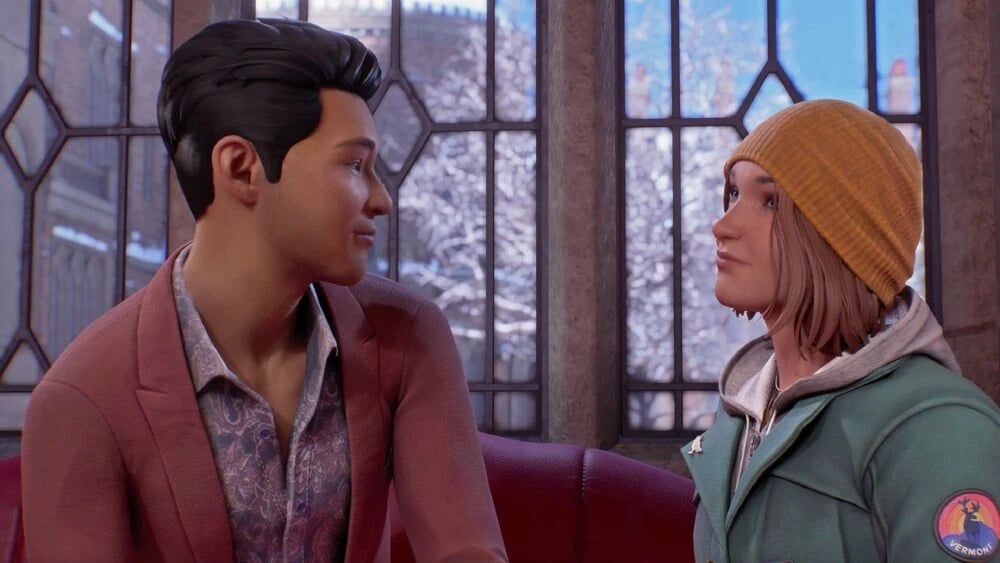
*Life Is Strange: True Colors* showcases another divide among romantic options, as Alex Chen must choose between Steph and Ryan. While Steph offers steadfast support and a solid foundation for a relationship, Ryan’s character carries the risk of betrayal depending on player choices. This design decision introduces unnecessary complications, detracting from the potential for a straightforward, healthy romance. The lack of a ‘secure’ male character invites scrutiny regarding character growth and narrative coherence within the franchise.
The trend continues to decline in *Life Is Strange: Double Exposure* and *Reunion*, particularly with the introduction of Vinh Lang. Vinh is portrayed as patronizing and challenging to connect with, prompting many players to pursue different relationships, further illustrating a consistent pattern of lackluster male love interests. In *Reunion*, the options once again lean towards established female relationships, sidelining any opportunity for meaningful male romance.
As Deck Nine has indicated that *Reunion* signifies the “finale” of the *Life Is Strange* franchise, the conclusion is bittersweet for players yearning for well-developed male love interests. The longing for a gay relationship that resonates with the emotional depth seen in Max and Chloe’s connection remains unfulfilled. While the franchise excels at delving into a wide array of emotional intricacies, it leaves many questioning why a more positive representation of male romance has yet to be produced.
In conclusion, the persistent pattern of male love interests appearing subordinate in the *Life Is Strange* franchise raises issues regarding representation and narrative decisions. As the series culminates with *Reunion*, the aspiration for a balanced exploration of all romantic avenues continues to represent a missed opportunity for numerous players who cherish the franchise. The demand for a well-rounded, captivating male romance endures, underscoring the necessity for diversity in love interests that reflects the series’ commitment to emotional exploration and complexity.