**The Clash Between Humanity and Delivery Robots: A Viral Incident in Los Angeles**
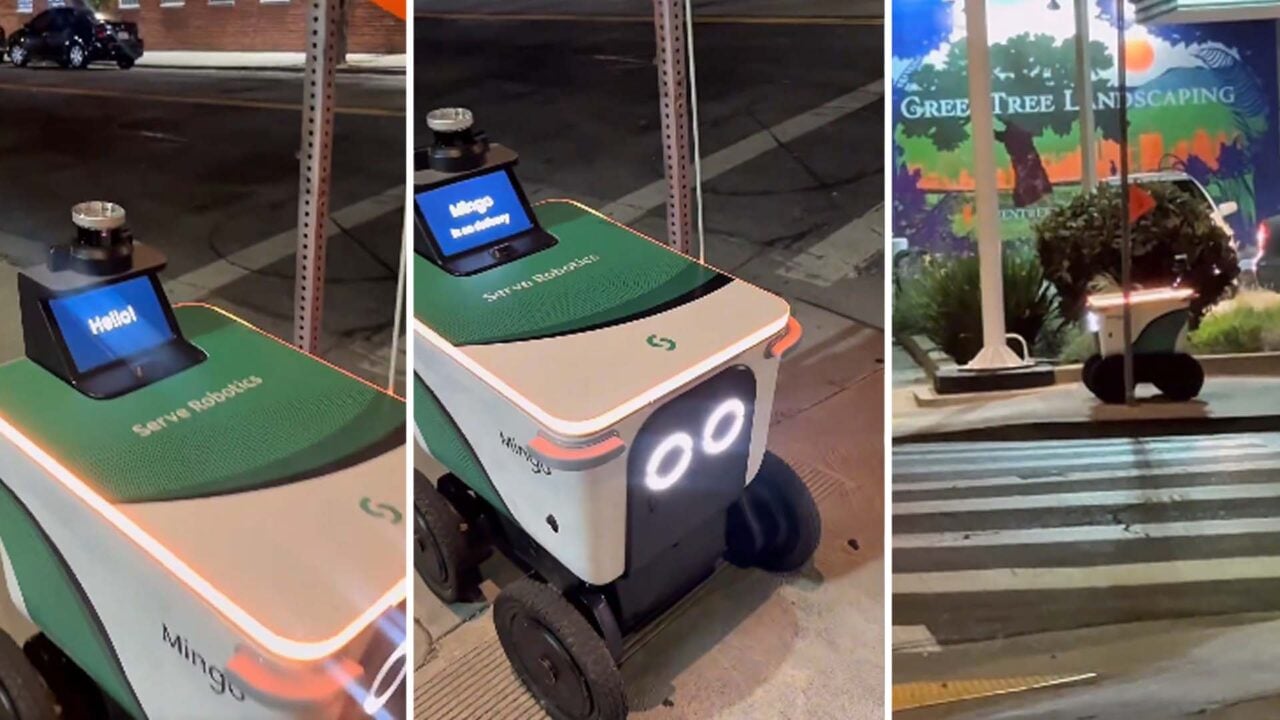
In a surprising development that underscores the continuous interaction between people and technology, a man named William Gude, known as FilmThePoliceLA, recorded a confrontation with a Mingo food delivery robot in Los Angeles, which rapidly gained traction across numerous social media channels. This event acts as a viewpoint from which we can assess the acceptance and resistance towards the emergence of autonomous delivery systems in cityscapes.
In the footage, Gude is seen showing annoyance as the robot seeks his help in pressing a crosswalk button. His refusal, laced with profanities aimed at the robot, highlights an increasing sentiment among the public who believe that the technology intended to supplant human labor still depends on human involvement to operate effectively. “You took a human’s job, and you expect me to push the button for you?” Gude states, capturing the irony of innovations in automation.
The video ignited widespread interaction online, stirring discussions regarding the ramifications of such technology replacing human roles while simultaneously illustrating its limitations. Detractors of food delivery robots have pointed out multiple instances where these machines have caused disturbances, such as blocking sidewalks, damaging property, and intruding on emergency situations, galvanizing voices of discontent against this emerging technology.
As cities throughout the United States incorporate food delivery robots into their frameworks, inhabitants encounter new obstacles. While advocates promote the efficiency and novelty of these gadgets, their assimilation provokes inquiries about public accessibility and the consequences for workers whose positions are threatened by these innovations. The contrast between machines intended to assist consumers yet struggling with fundamental tasks without human aid creates an intriguing paradox about the future of employment.
The incident not only highlights single interactions with robots but also mirrors wider societal concerns about reliance on technology, job loss, and the transforming landscape of human labor amid automation. With companies increasingly employing robots to reduce expenses, the reality emerges that humans might find themselves catering to the needs of these machines instead of the opposite.
As the discussion surrounding this viral clash progresses, it raises vital inquiries about the equilibrium we must establish as technology advances. How do we navigate a future where robots are ubiquitous, yet their shortcomings are painfully apparent? Moreover, it underscores the necessity for careful contemplation of the repercussions of automation on local economies and the workforce.
In summary, the encounter between Gude and the Mingo robot illustrates a crucial moment in the dialogue about technology and humanity. As we advance, society must contend with the obligations that come with progress and the ethics of substituting human workers with machines that still need our intervention. The future indeed appears uncertain, urging a reflection on our roles in an increasingly automated world.