**The Absurdity of Copyright Claims on YouTube: A Case Study on AI and Original Works**
YouTube, a platform celebrated for its variety of content and user-generated videos, has recently faced criticism regarding its management of copyright claims. A concerning incident involving a content creator, Nubzombie, has emerged, uncovering the intricacies and ridiculousness linked to the platform’s automated copyright strike mechanism.
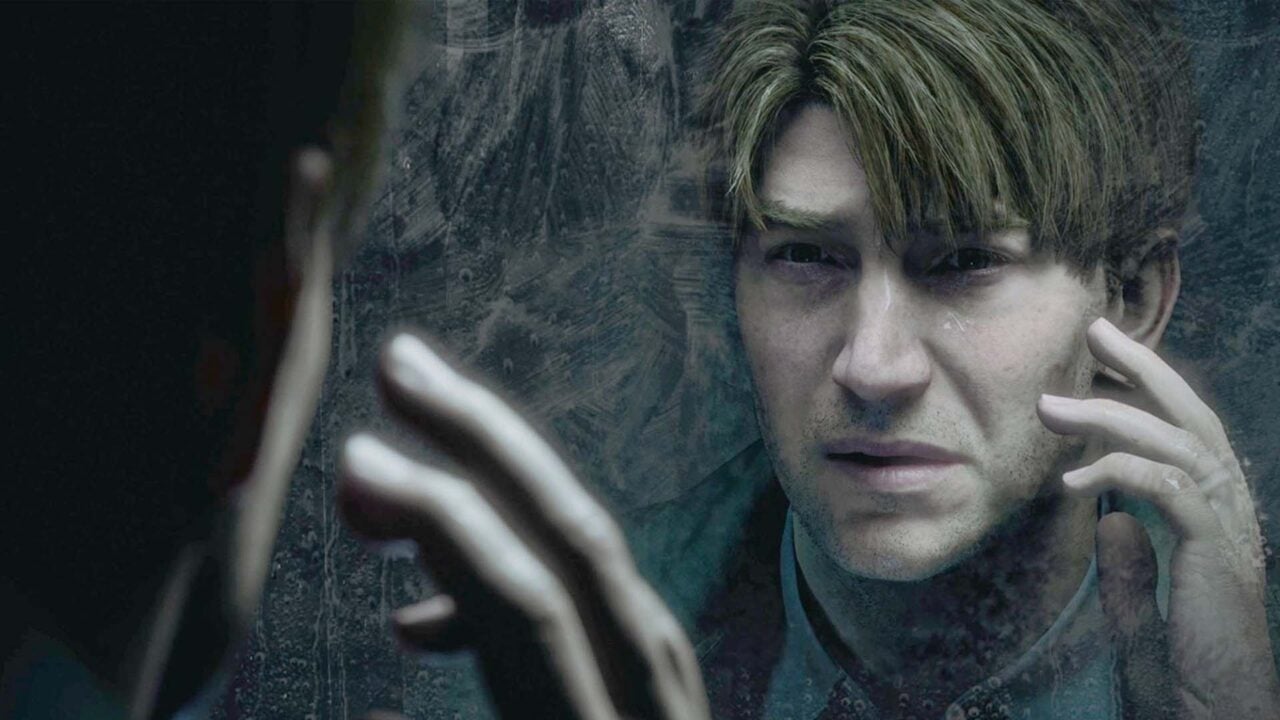
Nubzombie’s gameplay of the classic game *Silent Hill 2* became the target of not one, but two individual copyright claims from two different artists. The core of these claims revolved around the song “Promise” created by Akira Yamaoka, recognized for his poignant soundtracks for the *Silent Hill* franchise. The twist? Neither claimant is, in fact, Akira Yamaoka. Instead, they are individuals who supposedly generated tracks that closely resemble Yamaoka’s original composition, yet are undeniably AI-generated replicas devoid of any genuine artistic value.
The initial claim against Nubzombie’s video was lodged by an artist known as “Agro memos.” In a recent upload titled “[A.I. IS RUINING YOUTUBE (and my life)](https://www.youtube.com/watch?v=WxaoBjpquuU&t=1s),” Nubzombie shed light on how this claim was based on an AI-generated rendition of “Promise,” featuring a derivative vocal overlay. Soon after this claim was registered, Nubzombie posted a follow-up video to inform viewers that a second copyright strike had been imposed by another artist, “詹姆斯.K.” Further adding to the absurdity, this claimant created a track also named “Promise,” highlighting the clear imitation of Yamaoka’s original creation.
The scenario becomes more intricate when probing into the origins of these claims. The music produced by Agro memos, for example, is credited in its YouTube description as “Provided to YouTube by The Orchard Enterprises,” a branch of Sony Music Entertainment. There’s a troubling aspect to this affiliation, as The Orchard has a known history of improperly claiming copyright for numerous independent works. A significant incident took place in 2022 when another creator, EckhartsLadder, found himself caught up in copyright conflicts due to The Orchard’s unfounded claims against the tracks he featured in his videos.
The heart of the issue lies within YouTube’s insufficient automated copyright system, which frequently favors claims over a careful evaluation of the context and originality of the content. This has resulted in many creators encountering unjust strikes and threats against their channels. Regrettably, there seems to be minimal motivation for YouTube to enhance the precision of its copyright enforcement systems, as illustrated by its readiness to endorse claims regardless of the validity of the art or the artist behind them.
As the problem of copyright misuse continues to grow, the demand for reform becomes all the more urgent. The experiences of creators like Nubzombie and EckhartsLadder highlight a wider anxiety surrounding the safeguarding of original content and the obstacles encountered by those aspiring to share their passions in an increasingly AI-influenced environment. Until YouTube rectifies these systemic shortcomings, creators will likely continue to be at risk of misguided allegations and automated injustices that hinder artistic expression and innovation.