**The Emergence of AI in Filmmaking: Insights from Steven Soderbergh**
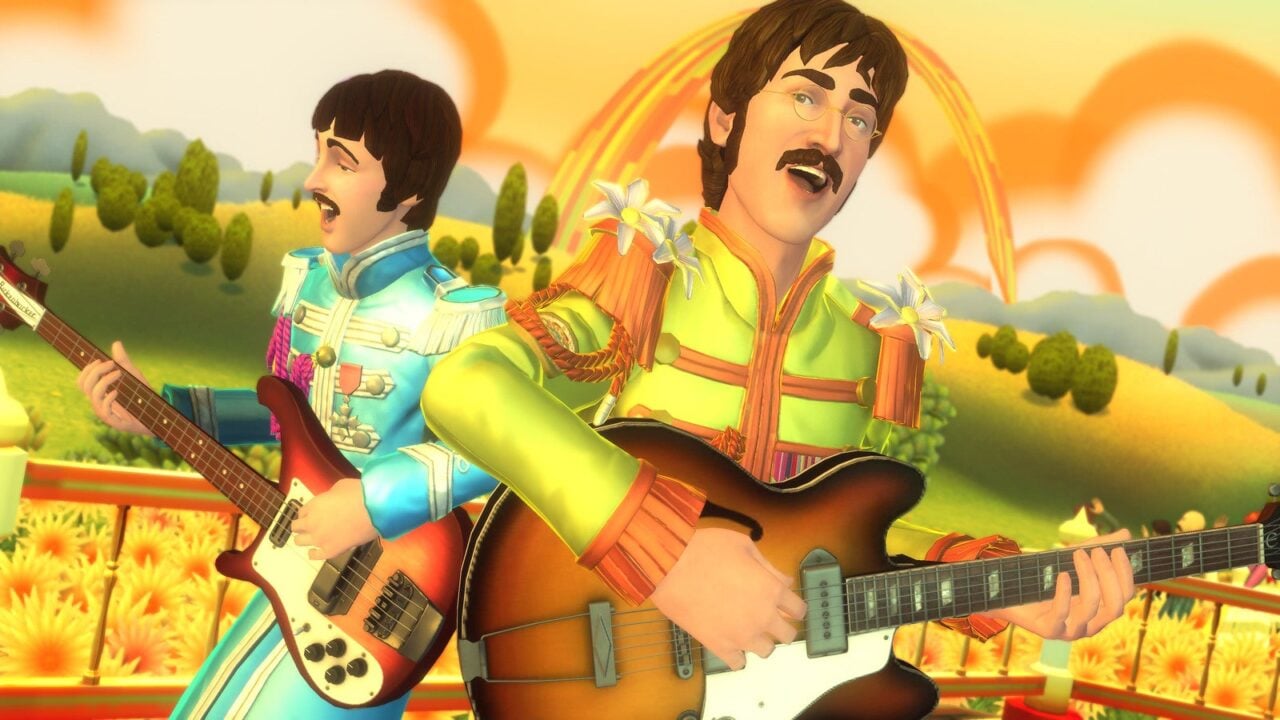
In April 2023, renowned director Steven Soderbergh, celebrated for films like *Traffic*, *Magic Mike*, and *Ocean’s 11*, drew attention with his remarks on the growing significance of artificial intelligence (AI) in the filmmaking process. In an interview with *Filmmaker Magazine*, Soderbergh revealed that his forthcoming works, including a documentary focused on John Lennon’s last interview, will feature “a lot of AI.” This pronouncement ignited a blend of fascination and apprehension, especially concerning the ethical dimensions of employing AI technology in such delicate scenarios.
Soderbergh’s willingness to embrace cutting-edge tools arises from his conviction in actively engaging with emerging technology instead of avoiding it. He stated, “I’m only scared of things I don’t understand. So I felt obligated to engage with it.” This viewpoint stands in stark contrast to certain peers in Hollywood who either decline to integrate AI or voice doubts about its potential. The director values the exploration of innovative creative tools, emphasizing that his filmmaking approach has adapted in tandem with technological progress.
His track record of adopting technology is significant. Soderbergh utilized an iPhone to film both *Unsane* and *High Flying Bird*, demonstrating his readiness to explore unconventional methods in filmmaking. Nonetheless, his colleagues’ critiques concerning AI extend beyond mere artistic preference; they encompass vital ethical and legal dilemmas rooted in the current AI landscape in entertainment.
Discussions surrounding AI frequently involve the consequences of using technology that is often trained on copyrighted works without consent, highlighting substantial issues of plagiarism and intellectual property rights. Leading AI companies are presently advocating for a reassessment of copyright regulations to accommodate their innovations, while also contending with public perception and legal hurdles. The movement towards AI solutions in entertainment is perceived by some as a divisive challenge, especially since a lot of AI-generated content lacks originality and authenticity.
A prominent example is the partnership between director Darren Aronofsky and Google to create a mini-series depicting the American revolution via AI, which faced criticism for its historical inaccuracies and visual deficiencies. The production encountered backlash due to AI’s mishandling of factual elements and its generation of a visual quality deemed unsatisfactory by many. While Soderbergh recognizes the limitations of current AI technology, he remains resolute in his effort to incorporate these tools into his projects.
Amidst the controversies, Soderbergh is not solitary in his experimentation with AI. He acknowledges that the industry’s interaction with AI might be temporary, stating, “Five years from now, we all may be going, ‘That was a fun phase.’” His readiness to tackle the challenges posed by AI in filmmaking contributes to a larger conversation about the potential benefits and drawbacks of this technology in creative domains.
In summary, as AI increasingly infiltrates the film sector, it engenders intricate discussions about creativity, authenticity, and ethical considerations. While Steven Soderbergh and others investigate the possibilities of AI, the industry must navigate the complex ramifications of such advancements on artistic expression and cultural narratives. The future of AI in cinema remains unpredictable, yet it undeniably shapes the industry’s trajectory as filmmakers and audiences engage with this transforming landscape.
![Requirements for Drain the Lake Badges [Ancient Bucket and Rewards]](https://gaitgames.com/wp-content/uploads/2026/07/requirements-for-drain-the-lake-badges-ancient-bucket-and-rewards.jpg)