# The Transformation of Tom Clancy’s The Division: From MMORPG to Third-Person Looter Shooter
Tom Clancy’s The Division, crafted by Massive Entertainment, is celebrated for its captivating gameplay set within a post-apocalyptic New York City environment. Nevertheless, the game commenced with a dramatically different vision: an MMORPG similar to World of Warcraft. Recent insights from Ubisoft have offered an intriguing glimpse into the initial stages of The Division’s development, showcasing the significant progress of the project and the distinctive ideas that were once part of its foundation.
## An Unforeseen Start
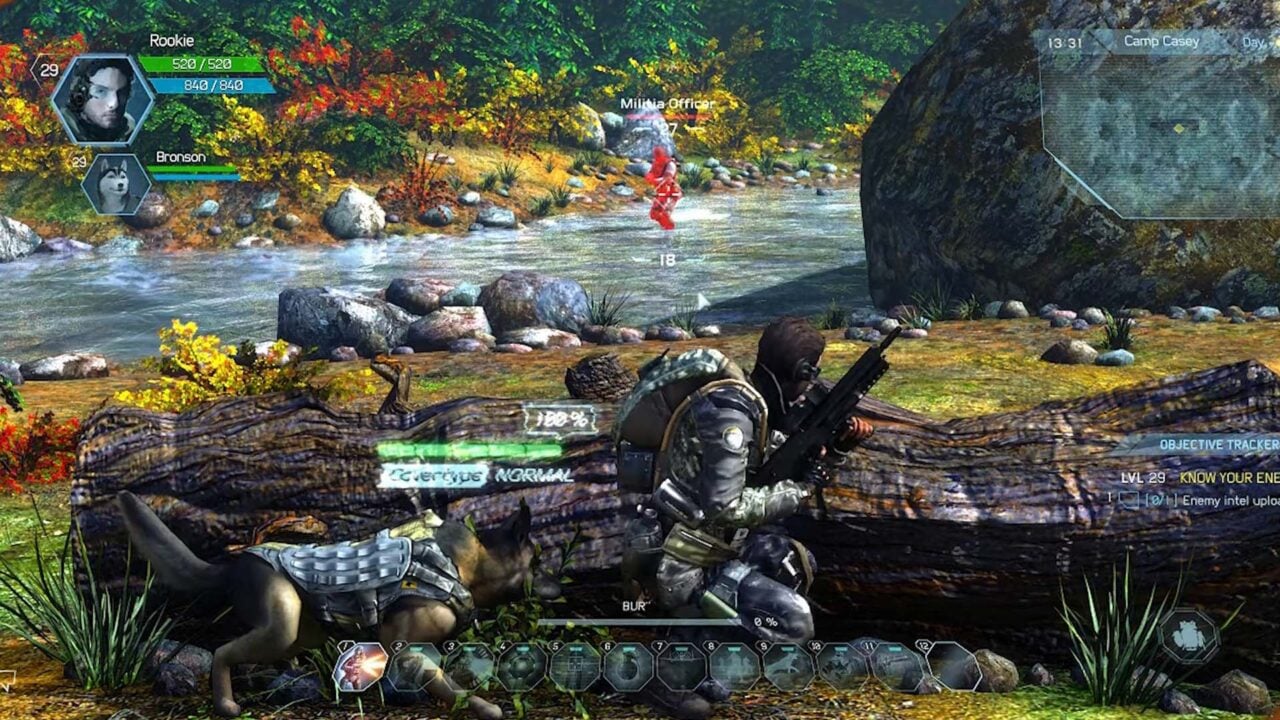
In a recent “Devs Playing” video published on Massive Entertainment’s official YouTube channel, developers Drew Rechner and Fredrik Thylander revealed thoughts about the game’s evolution over its decade-long journey. While playing through a mission, they elaborated on the original idea, which incorporated traditional MMORPG mechanics, such as hotbars and a skill system that varied greatly from the shooter elements that characterize the final version.
Rechner stated, “We developed The Division’s combat around…this loop right here, which we referred to as OPE, internally… Observe, plan, execute.” The team recognized distinct deficiencies in standard shooter mechanics at the outset of the project, guiding the development toward a more action-focused format rather than the MMO model.
## Visuals and Gameplay Adjustments
The early iteration of The Division, showcased during the video, exhibited a more cartoon-like visual style and gameplay mechanics reminiscent of traditional MMORPGs. In this discarded version, players would experience genre-typical features, including a hotbar for skill and ability management, further highlighting the game’s intended emphasis on group dynamics and cooperative play.
Notably, this original version of The Division also featured a companion aspect with a dog, which has generated interest among fans who speculate whether such elements might be reintroduced in future installments of the franchise.
## Reflection on Development
The dramatic difference between the original MMORPG vision and the final product demonstrates the challenges and transformations that frequently happen in game development. Despite the initial direction, the team adeptly shifted to create a game that has been praised for its engaging mechanics and world-building.
While players delight in the third-person looter shooter experience, many are intrigued by the MMORPG that nearly became reality. Rechner’s and Thylander’s comments highlight the necessity of adjusting visions in response to gameplay experiences and player expectations, resulting in the creation of a title that has achieved critical acclaim and commercial success.
## Final Observations
As we celebrate the 10-year anniversary of The Division, it is fascinating to contemplate an alternate reality where the game remained faithful to its MMORPG origins. The examination of these early concepts not only illuminates the creative journey but also enhances appreciation for the extensive development process undertaken. Fans continue to enjoy the exhilarating gameplay of The Division and its sequel, yet the intrigue surrounding the unrealized MMO version endures, serving as a testament to the evolving nature of game design.