**Comprehending the Dispute Surrounding Zha Zha’s Presentation in the 2026 NBPL Spring Tournament**
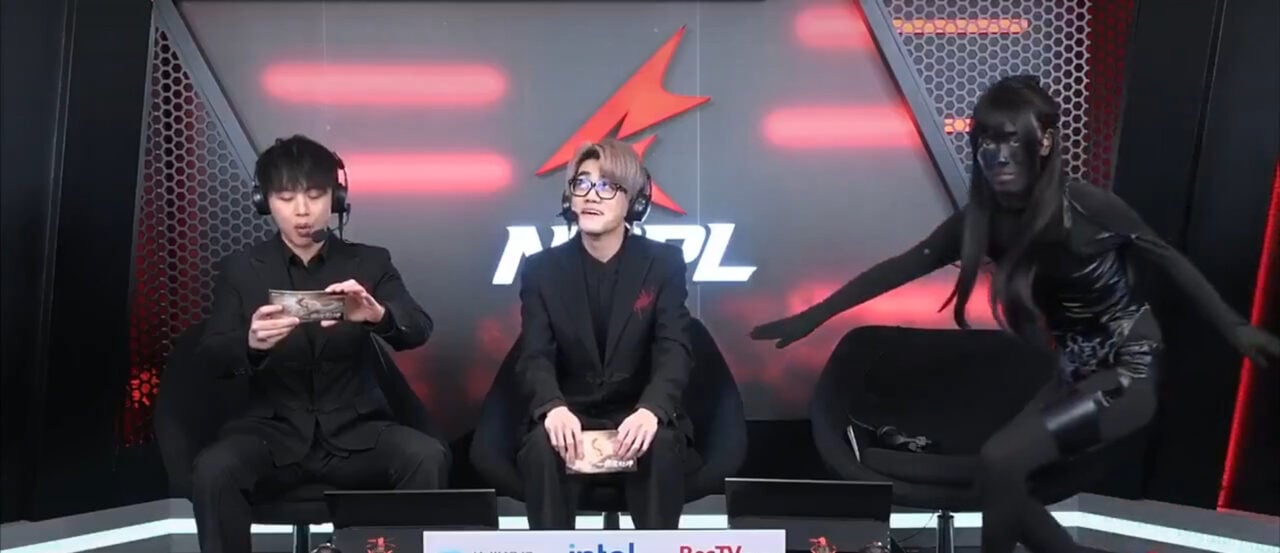
Earlier this month, amidst the second phase of the 2026 NBPL Spring Tournament for the battle royale game *Naraka: Bladepoint*, Chinese commentator Zha Zha, known as 喳喳 (“Chirp Chirp”), garnered attention by appearing on stream completely covered in black paint. This action ignited allegations of blackface among Western viewers, triggering discussions regarding cultural context and intent.
The uproar began when news surfaced that Zha Zha painted her skin black to counter criticism about her clothing choices. Before this incident, she had faced accusations of being pressured to wear revealing outfits during tournament broadcasts. Zha Zha addressed these claims on Weibo, stating, “No one has ever compelled me to wear inappropriate clothing on official broadcasts to make a public appearance. The reason I opted for a short skirt was to deliver a more appealing on-camera appearance for viewers.” Her following appearance, featuring a black outfit and painted skin, was perceived by some Chinese media as a counter-statement to the criticisms regarding her apparel.
However, as the narrative reached English-speaking audiences, many construed Zha Zha’s actions through a more critical perspective, resulting in allegations that her appearance amounted to blackface. On social media platforms, especially X, users voiced their discontent, questioning the appropriateness of her actions considering the allegations related to her outfit choices and the context of her live performance.
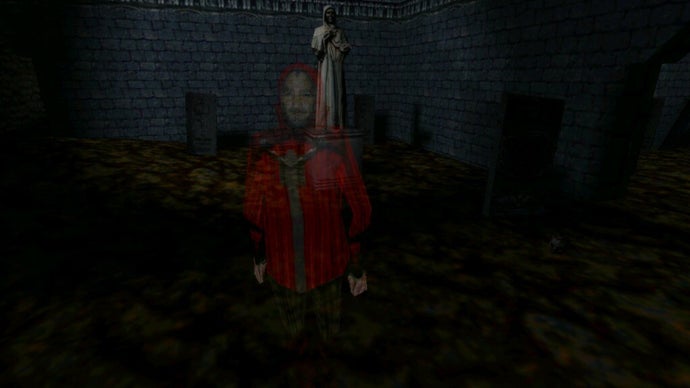
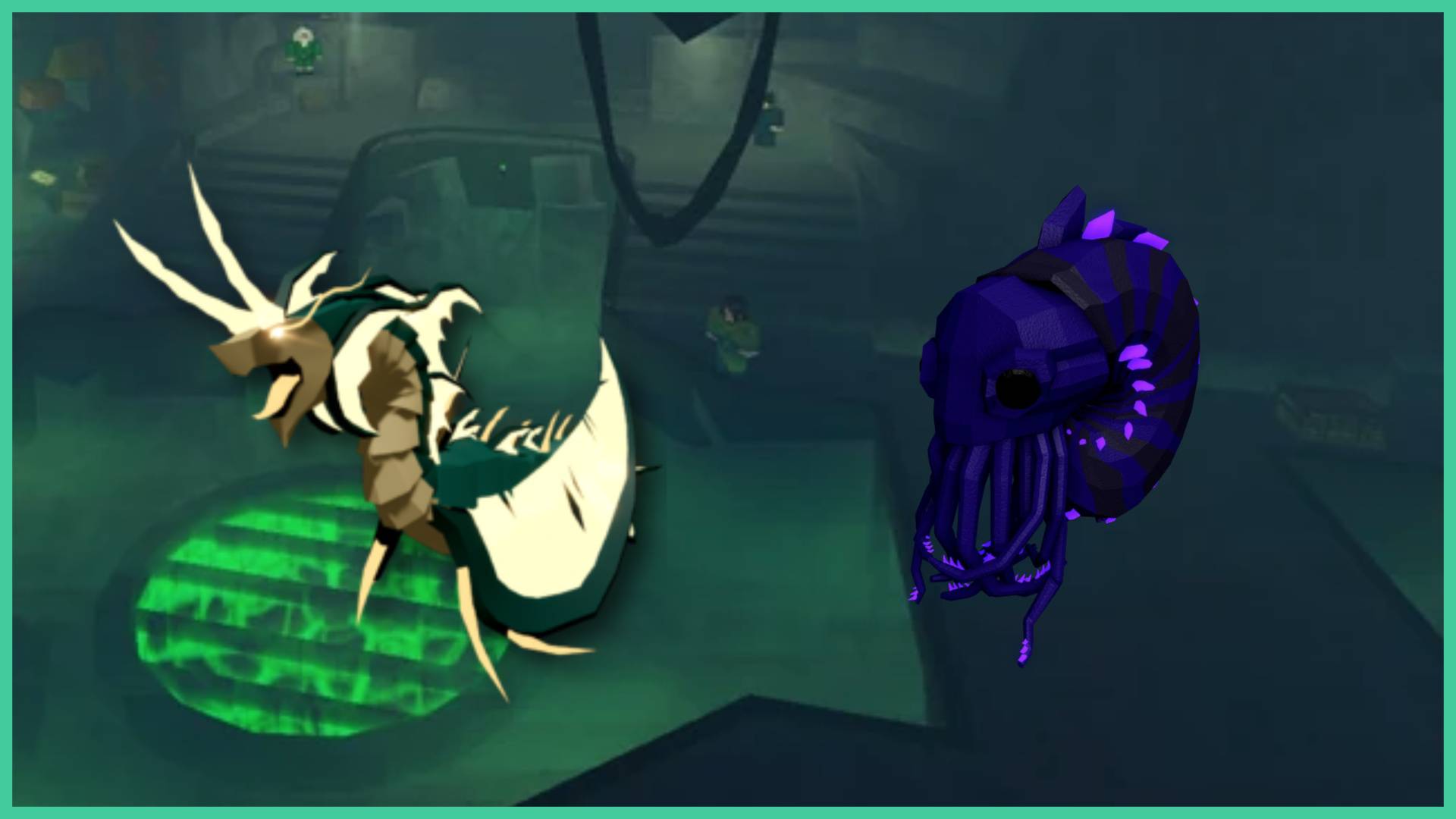
It is crucial to explore the cultural and gaming backdrop surrounding this event. In *Naraka: Bladepoint*, competitive gamers frequently adopt specific character customization methods to improve their gameplay. Zha Zha’s selection of dark body paint is thought to connect to a common strategy among players where darker character models offer a stealth advantage, allowing them to conceal themselves more effectively from opponents during matches. This is particularly significant as one of the game’s characters, Matari, is recognized for her stealth capabilities, and players using dark skins often enhance their ability to merge into dimly lit game environments.
Conversations on Reddit and various gaming forums unveiled a trend wherein high-ranking players in *Naraka: Bladepoint* often opt for darker character skins, commonly referred to by players as “shadow skins.” This practice has been discussed among players since 2022, focusing on gameplay benefits and aesthetic choices. Many players questioned why successful competitors frequently select dark or black skin tones, leading to the emergence of terms like “Shadow Person” or “Shadow Criminal” within the community, drawing references from diverse cultural and media contexts.
Further complicating the narrative is Zha Zha’s history of cosplaying as characters from the game, suggesting that her latest appearance may have been a playful homage to in-game strategies rather than a misguided act. Observers noted her entrance in the stream, where she executed a sneaking emote to humorously mirror the tactics associated with these shadowy characters.
While the discourse around Zha Zha’s appearance persists, it underscores the necessity of context in dissecting such controversies. The cultural subtleties of gaming communities and the interplay between performance art and competitive gaming often blur lines that may appear clear in different cultural settings. This incident reminds us of the intricacies involved in interpreting intentions behind such presentations, particularly when they traverse cultural barriers.
In summary, Zha Zha’s choice to appear painted in black during the 2026 NBPL Spring Tournament, though contentious, demands a nuanced comprehension of both the gaming culture of *Naraka: Bladepoint* and the responses shaped by broader societal views on representation and appropriation. The conversations surrounding her appearance reflect a critical assessment of how cultural customs can be misconstrued when examined outside their original environment.