**Capcom’s Pragmata: A Contemporary Perspective on Fatherhood in Gaming**
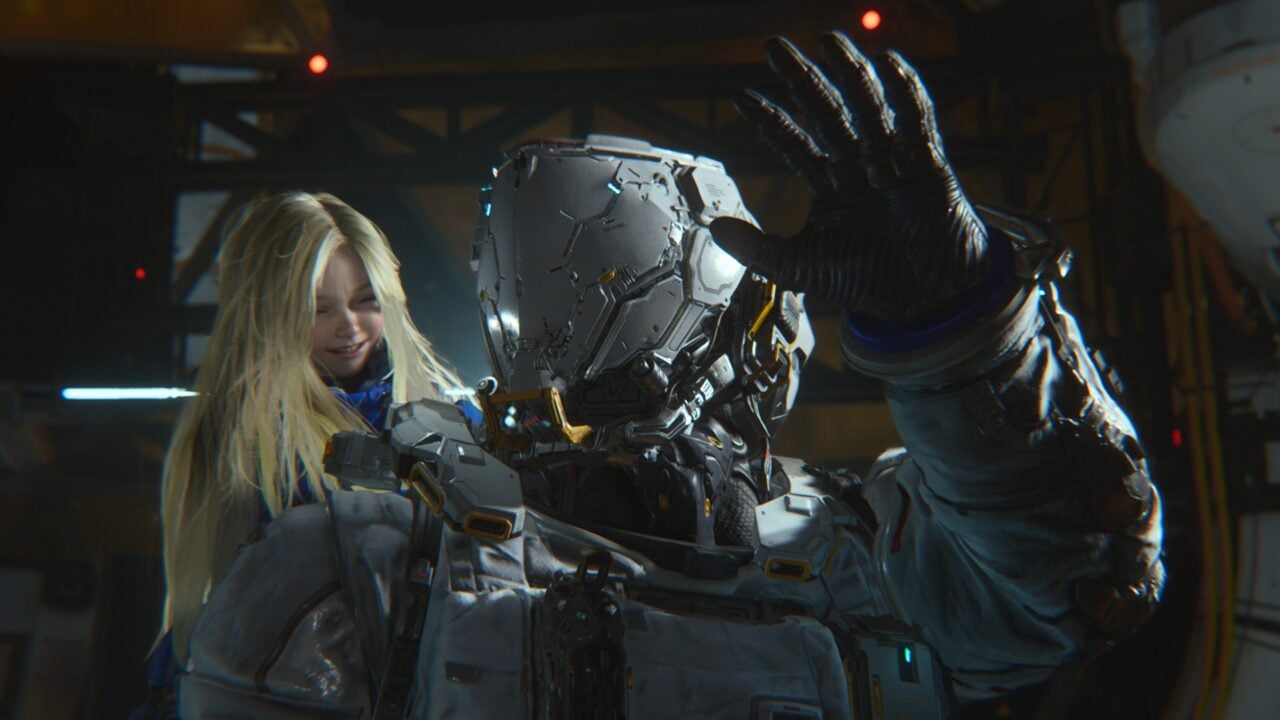
In the constantly changing realm of video games, the portrayal of fatherhood has frequently been layered with complexity and deep emotional significance. Capcom’s latest puzzle shooter, *Pragmata*, offers a revitalizing viewpoint on this subject, featuring its main character, Hugh, as an eager father figure who values his role, rather than a reluctant protector.
In contrast to the typical “sad dad” games, such as *The Last of Us* and *BioShock Infinite*, *Pragmata* rejects the idea of fatherhood as a liability. Hugh warmly accepts his duties, genuinely interested in fostering the curiosity of his child-like android companion, Diana. This perspective sharply diverges from numerous titles from the last decade and a half that showcase father figures dealing with grief and hardship.
In *Pragmata*, the bond between Hugh and Diana lacks drama, showing a cooperative collaboration. Their exchanges are filled with warmth and encouragement; Hugh views Diana not as a nuisance but interacts with her enthusiasm, nurturing her inquisitive spirit. This caring relationship is integrated into the gameplay, transforming it into a fundamental aspect rather than a mere afterthought. Players find delight in the straightforward act of engaging with Diana’s excitement—whether through discussions or gameplay experiences—turning traditional gaming activities into significant moments.
At the heart of the game’s story are collectibles referred to as “Read Earth Memories.” These holographic objects help create a joyful atmosphere for Diana, as Hugh introduces her to experiences she has missed. Living aboard a space station, Diana has been denied childhood play, and through these collectibles, Hugh seeks to fill her life with happy moments brimming with creativity and exploration, readying her for a future that lies beyond the limits of their current existence.
Diana’s character symbolizes innocence and simplicity, untainted by the cynicism often present in youthful figures within gaming. *Pragmata* strives to maintain her spirit, as Hugh prioritizes not just her physical safety but also her emotional happiness. Protecting Diana’s joyful outlook is a crucial aspect of Hugh’s journey, showcasing a distinct shift from the prevalent narrative trends where child characters endure significant suffering and loss.
As players tackle the game’s challenges, Hugh’s devotion to his role as a father is consistently highlighted. This commitment is reinforced in gameplay, where players are encouraged to celebrate Diana’s creative pursuits, enhancing her self-worth and inventiveness. The game underscores the significance of positive reinforcement in a child’s growth, illustrating a nurturing relationship that serves as a symbol of hope and encouragement.
While *Pragmata* may not explore the intricate emotional terrains tackled by its predecessors, it establishes a distinct presence within the genre. The game promotes fatherhood as a fulfilling experience rather than a lamentable burden, illustrating Hugh as a contemporary dad enthusiastic about engaging and uplifting. He exemplifies what it means to be a truly positive father figure—a refreshing depiction that resonates with audiences in search of uplifting narratives in gaming.
In conclusion, Capcom’s *Pragmata* stands out as a modern portrayal of fatherhood in video games, promoting the joys of parenting. By focusing on nurturing interactions, emotional bonds, and the celebration of childhood, it distinguishes itself from earlier titles, paving a new path in the representation of parent-child relationships in gaming.