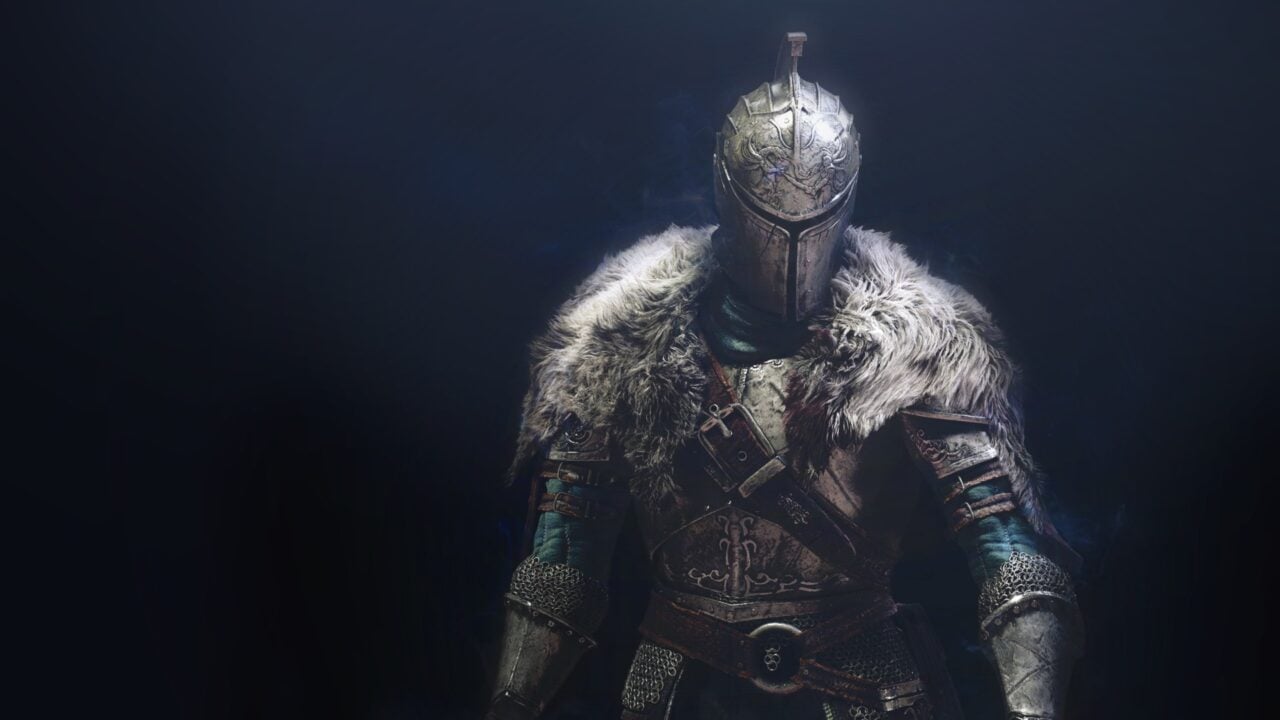
The Dark Souls franchise has consistently enthralled gamers with its detailed world construction, rigorous combat, and immersive narrative. Among its various settings, few can rival the bleak, toxic charm of its ruined locales. A recent examination by modder and YouTuber Doneda discloses that the seemingly innocuous views of Dark Souls II’s “The Gutter” hid a vast and intricate vision that ultimately did not make it into the final version.
The development journey of Dark Souls II was laden with obstacles. With series creator Hidetaka Miyazaki focused on the creation of Bloodborne, the game experienced a shift in directors, resulting in a product that a considerable number of fans regard as the most disliked entry in the series. This tumultuous process led to substantial cut content, leaving behind a rich cache of assets that were left open for exploration.
In his enlightening video, Doneda elucidates a vital element of Souls modding: the Map Studio Binary. This technical aspect determines which elements of the game are loaded for particular maps. When content is excised, it is frequently not entirely obliterated; rather, it is merely taken out of these binaries, meaning the core assets persist. This restoration procedure enables modders and inquisitive players alike to delve into forsaken components of the game, exploring realms that players may never have encountered.
The Gutter, originally imagined as a dark and extensive site akin to Blighttown, was reduced in its final form to a simplistic arrangement of wooden scaffolding. Nonetheless, pre-release materials suggest an alternate reality where the Gutter was a vibrant, albeit deteriorating, civilization. Even devoid of adversaries or treasures, its vast somber architecture, showcasing colossal pillars and intricately crafted pathways, vividly evokes what might have existed.
Throughout Doneda’s nearly hour-long investigation, he reveals intriguing remains of this world, including enigmatic notes in kanji, expansive boss arenas, and even a tavern—all indicators that a lively environment was once envisioned. The sense of discovery implies that the developers may have infused the Gutter with elements of optimism, aiming for a grand vision for future players to unveil.
In conclusion, Doneda’s exploration not only illuminates the ambitious design of Dark Souls II but also highlights the broader ramifications of cut content in the video game industry. The voyage through the restored Gutter emphasizes a dedication to revealing the intricate backstories and architectural splendor within the Dark Souls universe, revitalizing a cherished series and reminding players of the depth and richness that can exist just beneath the surface of completed video games.