# Buying a Graphics Card in 2026: Tips and Considerations
In 2026, the landscape of graphics card purchasing is both exciting and fraught with challenges. With ongoing memory shortages and inflated prices, potential buyers face a difficult choice: invest in a new GPU at a premium or explore the used market, which presents its own set of risks and rewards.
## Understanding the Market Dynamics
The impact of ongoing memory shortages has led to skyrocketing prices for new graphics cards. As a result, buying a used card has become more appealing to many gamers and professionals. However, the used market is not without its pitfalls, including scams, performance degradation due to previous mining or AI activities, and the general uncertainties associated with second-hand purchases.
## Tips for Buying Used Graphics Cards
1. **Choose Trusted Platforms**: Opt for reputable platforms like eBay, which provides buyer protections, over less regulated sites like Craigslist or Facebook Marketplace. Services like Jawa also vet listings and help avoid scams.
2. **Check Seller Ratings**: Always buy from sellers with established reputations. Look for strong feedback ratings and avoid purchasing from new accounts or those with contentious sales histories.
3. **Verify Card Legitimacy**: Scrutinize the listing images for signs of tampering or poor quality. If possible, request a video showing the card in operation, ideally with a timestamp to verify authenticity.
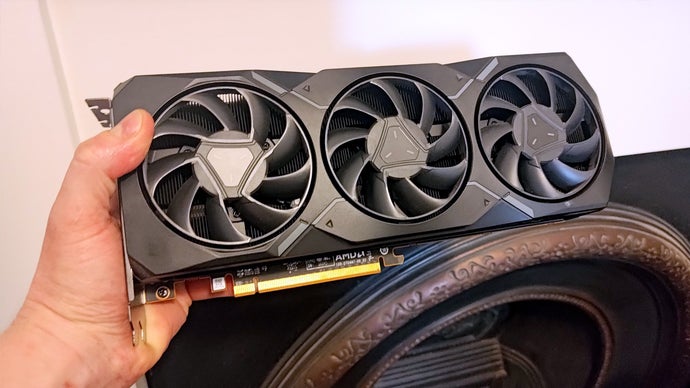
4. **Inspect for Physical Signs**: Look for signs of wear and tear, such as damaged warranty stickers or heat damage on connectors. Ensure the card appears clean and well-maintained.
5. **Beware of Deals That Seem Too Good to Be True**: Exercise caution with listings advertising extreme discounts or vague descriptions, as these could signal hidden faults.
6. **Assess the Seller’s Knowledge**: Engage the seller in conversation about the card. Genuine users often have insights about their hardware, unlike professional resellers who may lack personal experience with the product.
7. **Meet in Person When Possible**: If buying locally, conduct the transaction in a safe, public space. Bring a knowledgeable friend along to ensure a smoother process.
8. **Document Everything**: Record the unboxing process on video to have proof of the card’s condition upon receipt. Additionally, test the card promptly and use a GPU info app to confirm its specifications.
9. **Research and Benchmark**: Run benchmarks and tests to ensure the card performs as advertised. Promptly report any discrepancies to the seller to facilitate a refund if necessary.
10. **Understand the Used Market Limitations**: Remember that even a well-maintained used card won’t possess the full lifespan of a new one. Be prepared for future maintenance needs, such as replacing thermal paste or fans.
## Conclusion
Buying a graphics card in 2026 involves navigating a complex landscape of prices and availability. By following these tips, you can minimize risks associated with purchasing used GPUs while securing a reliable piece of hardware that enhances your gaming or creative experiences. Stay vigilant, conduct thorough research, and take proactive measures to protect your investment in the fluctuating used graphics card market.