**Cozy Construction: The Emergence of ShantyTown as a Healing Gaming Encounter**
Cozy construction has gradually established itself as an endearing niche in the gaming realm, sidestepping the pressure typically linked to traditional simulation games like *SimCity* and *Theme Park*. Among the highlights in this category is *ShantyTown*, a distinctive game that cleverly merges the craft of building both up and out in a fanciful and tranquil setting.
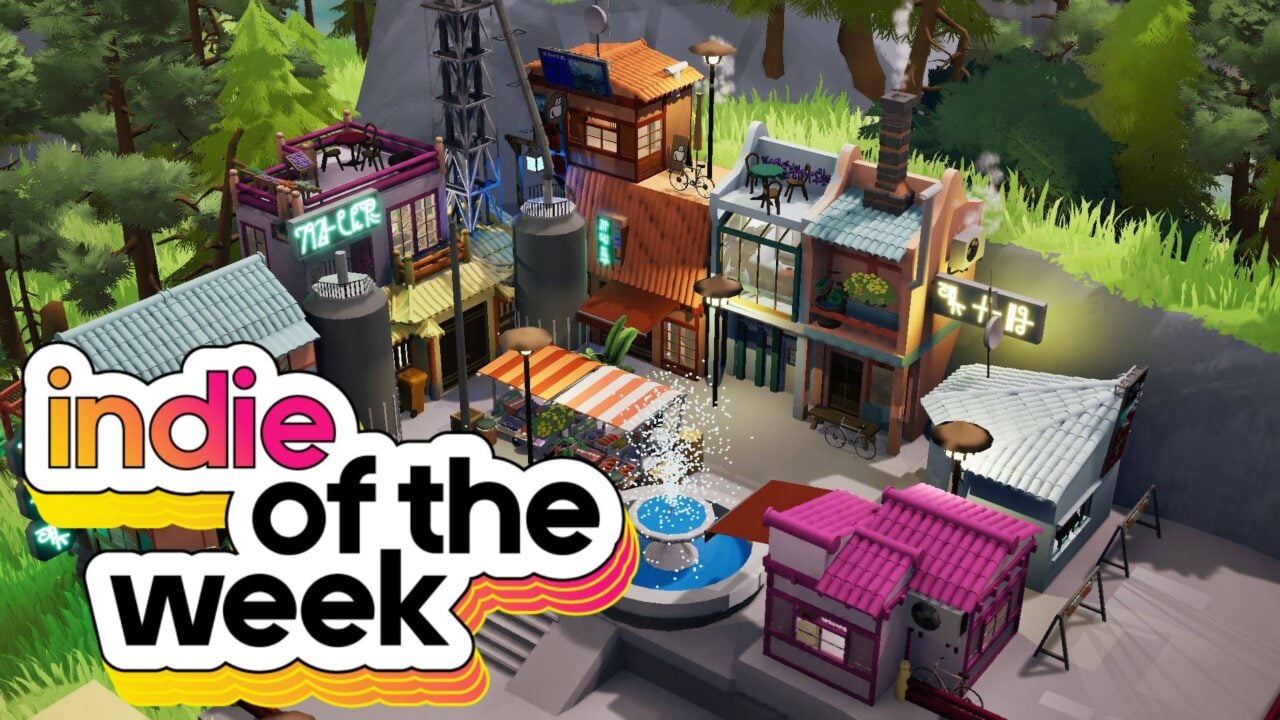
In *ShantyTown*, players are assigned the role of constructing stacked mini-homes on various landscapes such as rocky elevations, small islands, or even on the backs of imaginary long-legged elephants. The game emphasizes maximizing limited spaces by arranging structures in layers and embellishing them with decorations and amenities that mirror the desires of the residents. This contrast of compact architecture against creative backgrounds generates a captivating visual experience that stimulates imagination and fun.
A remarkable aspect of the game is its mechanics. Unlike conventional construction games that offer players a broad menu of choices, *ShantyTown* implements a “deck” system. Players receive three building items at a time from a selection pool, with a preview of what’s next in the undealt deck. This necessity to adapt and innovate introduces an invigorating layer of strategy without overwhelming the users, nurturing a distinctive building approach that aligns with the game’s quirky charm.
The structures in *ShantyTown* range from metal huts to lively diners, all designed to fit within the limited spaces presented. Every building possesses its own specific requests, visible through thought bubbles that prompt players to enhance and beautify their town. Fulfilling these requests not only elevates buildings into aesthetically pleasing structures but also unveils decorative components essential for meeting the level’s goals.
The decorative options are diverse, including plants, signs, and functionally integrated lighting features. Smart arrangements can yield bonuses, enabling players to optimize both the utility and visual charm of their creations. Despite the emphasis on meeting building demands, the game prioritizes personal expression, urging players to design their towns in visually delightful manners that represent individual creativity.
Additionally, *ShantyTown* excels in fostering a welcoming environment. With no excessive statistics to monitor—such as electricity needs or tax concerns—the game encourages players to tackle bite-sized challenges at a leisurely pace. The day/night cycle, along with uniquely whimsical items like helicopter landing zones and crab-shaped houses, heightens the sense of wonder, immersing players in a realm where the mundane transforms into the extraordinary.
Nevertheless, the game’s title provokes some concerns. The term “shantytown” conventionally refers to impoverished neighborhoods marked by substandard living conditions, contrasting sharply with the playful and imaginative settings of the game. Although the developer cites inspiration from densely populated cities, the disparity between the title and the game’s cheerful nature deserves attention. Ideally, a title that reflects the fantastical aspects of construction—like *StackTown*—might have averted any unintended connotations related to real-world poverty.
Despite some narrative inconsistencies and minor technical glitches, such as occasional crashes and performance slowdowns, *ShantyTown* effectively provides a soothing and enjoyable experience. By presenting a platform for players to construct their unique worlds with minimal pressure, it captures the spirit of cozy construction. For those in search of a retreat into a vibrant world of creativity and enchanting architecture, *ShantyTown* is a wonderful haven.