### Hidden Cameos in *The Super Mario Bros. Movie*: An Insight into the Storyboard Mysteries
The latest *Mario* films have enchanted audiences with their lively animation and nostalgic nods. Each movie acts as a treasure chest of cameos, showcasing beloved characters from the vast Mario universe who appear briefly yet leave a lasting impact. However, nestled among the storyboard designs of uncredited animator Douglas Lovelace lie even more potential cameos that were excluded from the final version of *The Super Mario Bros. Movie*.
Lovelace played a key role in storyboarding the crucial wedding scene featuring Princess Peach and Bowser. Within his collection, he provided a sneak peek at many intended cameos that were ultimately discarded. Characters like Wart, Birdo, and Mouser were imagined as part of the crowd at this grand occasion, although they later appeared in *The Super Mario Galaxy Movie*. Notably, Wart surfaced as a significant villain in that sequel, emphasizing the interconnectedness of these adaptations.
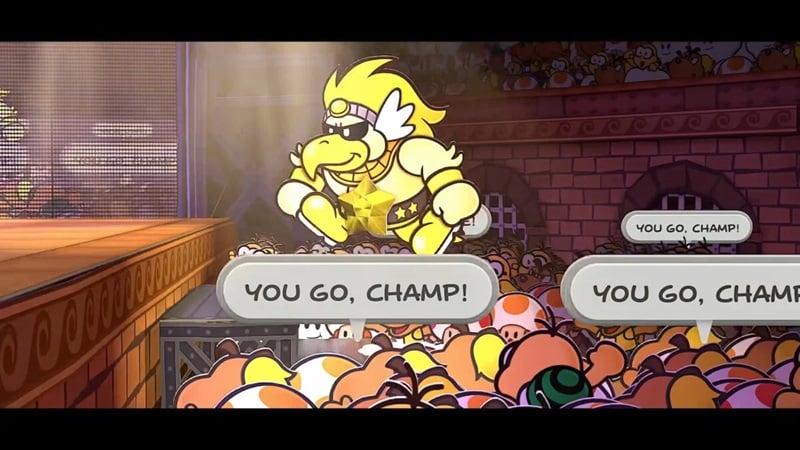
A remarkable cameo from Lovelace’s storyboards is Rawk Hawk, a figure from *Paper Mario: The Thousand-Year Door*. In the original title, Rawk Hawk acts as the self-absorbed champion of the Glitz Pit, challenging Mario in a wrestling match that tests his might and determination. Featuring Rawk Hawk in the wedding scene would have delivered a deep-reference that could easily slip past many viewers, similar to the subtle allusions in pop culture references observed in films like *Ready Player One*.
Fans who know Rawk Hawk would identify his bold personality and extravagant flair, and his presence at the wedding festivities injects a humorous dimension into the scene. Despite not making it into either of the *Mario* films, Rawk Hawk’s presence in the storyboards demonstrates the creators’ desire to enrich the storyline with a wide range of characters from the Mario realm.
Among the other whimsical guests at the wedding, Birdo was featured in a funny gag relating to the character’s distinct egg-laying skill, producing a comedic moment that could have resonated with fans of the classic games. The whimsy and charm of these character interactions highlight the profound lore within the Mario franchise.
Interestingly, the final version of *The Super Mario Bros. Movie* still included notable characters like King Boo and King Bob-omb, reinforcing the theme of royalty that runs through the narrative. However, the lack of other potential cameos, such as Goombella, adds to the anticipation for upcoming projects. Fans are eager for more diverse characters, including Wario and Waluigi, to be brought to life on the silver screen.
Lovelace’s storyboard designs provide a captivating perspective on the development journey of the *Mario* films, illuminating the creative choices that influenced the final stories. The excitement of spotting familiar faces and the keen anticipation for which characters might make an appearance next keeps audiences invested and engaged in the ongoing evolution of the franchise.
In summary, while the *Mario* films are sprinkled with recognizable nods and references to the franchise’s rich legacy, the insights from Douglas Lovelace’s storyboards uncover a wealth of additional cameos that could have brought even more richness to the films. As fans enthusiastically await future adaptations, the hope persists that these quirky and cherished characters will eventually grace the screen, enhancing the enchanting realm of Mario.