**Shigeru Miyamoto’s Aspirations for Mario’s Future Following the Super Mario Galaxy Film**
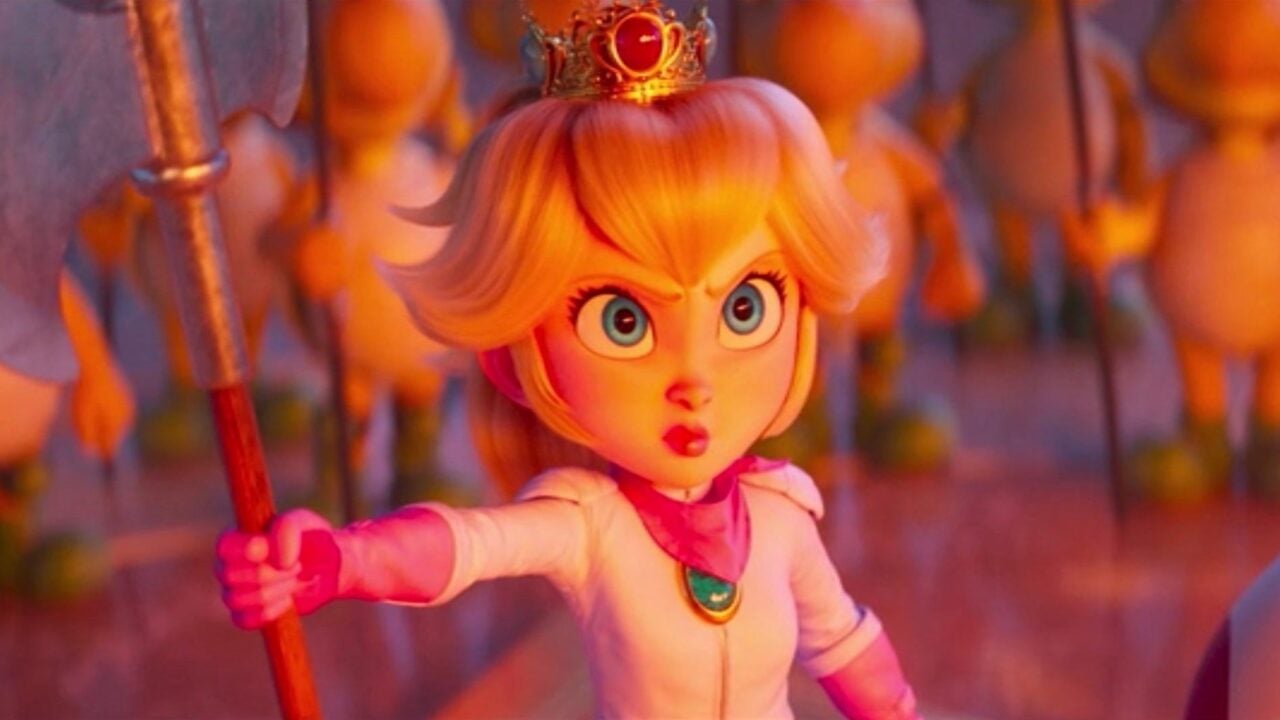
Shigeru Miyamoto, the iconic creator of the Mario franchise, recently conveyed his astonishment regarding the mainly unfavorable critiques of *The Super Mario Galaxy Film*. In spite of this backlash, he remains eager to incorporate aspects from the movie into upcoming Mario games, especially with an emphasis on diving into Princess Peach’s origins. This decision could potentially reshape years of well-established lore concerning the cherished character.
In a discussion with *Nintendo Dream*, translated by *Nintendo Everything*, Miyamoto articulated his views on storytelling. Traditionally, he has chosen to keep character backstories minimal to allow creative flexibility in game design. “Since we can’t anticipate the type of game we’ll develop next with our characters, having excessive character details could limit us,” he remarked. This methodology has facilitated a more adaptable gaming experience, primarily centered around gameplay instead of rigid storytelling.
Nevertheless, Miyamoto’s perspective seems to be adapting with the advent of movie-like narratives. The requirement for a consistent storyline for the film has ignited a renewed interest in character exploration. As he noted, producing the film has made it “exciting to elaborate on the character in several ways,” prompting him to support the inclusion of the film’s settings in future installments.
One substantial alteration he considers is the disclosure in the film that Princess Peach and Rosalina, the enchanting guardian of the universe, are siblings. This twist deviates from the pre-established lore outlined in the original *Super Mario Galaxy*, where Rosalina’s history was distinctly depicted. Although there were preliminary conversations during the game’s development regarding a possible connection between these characters due to their resembling features, this link was never officially recognized in the games.
Miyamoto’s preference for anchoring upcoming games in the film’s narrative, despite its critical feedback, sparks intriguing conversations about continuity and consistency in storytelling. While some may delight in Nintendo’s historical hesitancy to strictly follow lore, it may pose challenges to tie game narratives to a film that has received mixed responses.
In recent years, Miyamoto has adopted a more proactive role in ventures beyond conventional game creation, such as films and amusement parks. Although he continues to hold producer credits on major titles like *Super Mario Odyssey* and *The Legend of Zelda: Tears of the Kingdom*, his emphasis seems to be shifting, leading to speculation about how his legacy will manifest in narrative-driven formats.
As he navigates this transition, difficulties may emerge in reconciling his long-standing beliefs about narrative as a limitation with the requirements of crafting captivating, story-centered content in cinema. As the industry progresses, it will be fascinating to observe how future entries—particularly the much-anticipated Zelda film—will approach storytelling, building upon the established bases of its game predecessors.