**Sony’s Shift in PC Strategy: An Analysis of Current Trends and Future Implications**
In a recent report, speculation has arisen regarding Sony’s potential shift away from releasing first-party games on PC, following the anticipated title “Ghost of Yotei.” The gaming community buzzed with discourse on this topic, particularly given the lack of official confirmation from Sony and the acknowledgment that their strategic approach is “constantly shifting.” The former head of Sony Interactive Entertainment Worldwide Studios, Shuhei Yoshida, has weighed in on this matter, asserting that he has not observed any substantial evidence indicating a reversal of the company’s current policy regarding PC game releases.
During a keynote address at Powerhouse Museum’s ALT. Games Festival, Yoshida elaborated on PlayStation’s evolution regarding PC migration. He shared insights from his tenure at Sony, detailing that historically, the release of AAA games on platforms outside of PlayStation was not permitted. He noted that with the escalating costs and scale of modern game development, the decision to transition some first-party titles to PC during the PS5 generation appears logical. This strategic choice may have been influenced by the potential for increased revenue and investment recovery in an increasingly competitive gaming landscape.
Yoshida explained that the financial returns from PC releases significantly contribute to the sustainability of large-scale game development. “Releasing games on PC after a couple of years must have helped recoup the investment of these big-budget games,” he stated. This revenue can then be reinvested to impulsively create new titles. His assertion that he hasn’t witnessed any changes to this successful strategy raises questions about future announcements and the viability of profitable first-party releases on platforms outside PlayStation.
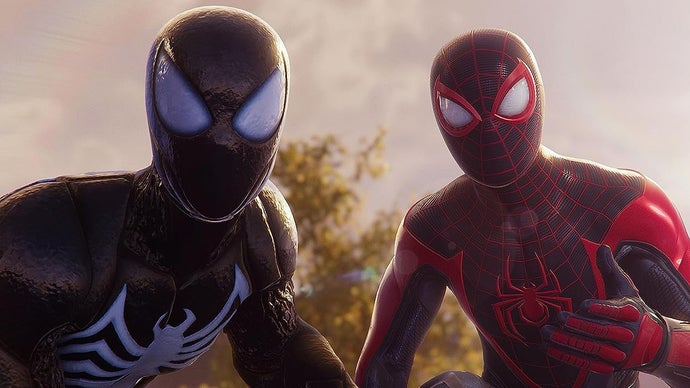
Amidst this backdrop, reports concerning titles like “Marvel’s Spider-Man 2” indicate a remarkable production budget of approximately $300 million, making it one of the priciest video games ever produced. The high stakes associated with such investments amplify concerns surrounding Sony’s decision-making process regarding platform availability and market reach. Although PlayStation has faced challenges with their PC ports, encountering issues ranging from quality discrepancies to accessibility hurdles, completely withdrawing from the PC gaming market would appear paradoxical for a company seeking enhanced profitability in a dynamic industry.
As the projected timeline extends, gamers and industry analysts alike are poised to observe whether titles such as “Ghost of Yotei” will make an appearance on PC. If there is no substantive communication from Sony by the end of 2027 regarding this matter, it may signal a definitive response to the ongoing questions surrounding their strategy. With the increasing interconnectedness of gaming platforms and the consumer demand for multi-platform accessibility, the implications of this strategic decision could resonate throughout the industry for years to come. The upcoming period will certainly be one to watch as Sony navigates these critical choices amidst evolving market trends.