### Saros Reviews: The Influence of Restrictive Embargoes on Critique
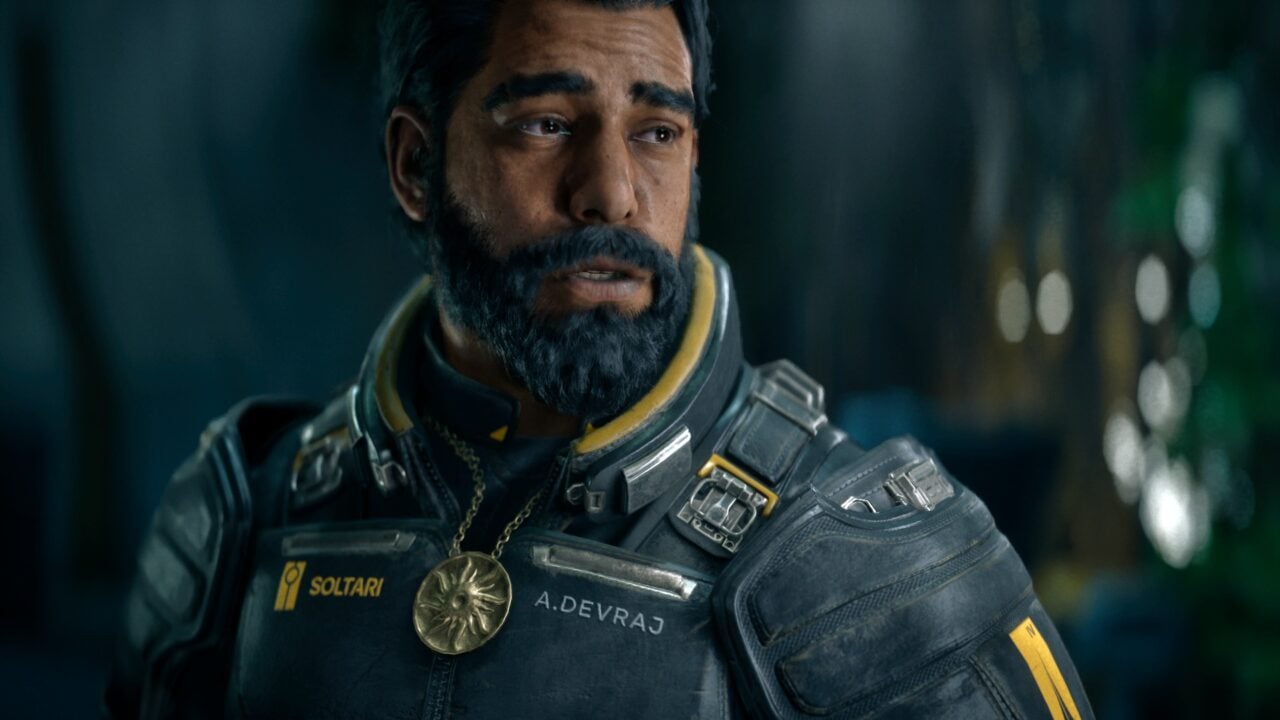
With the recent evaluations of *Saros*, the newest roguelike shooter from Housemarque, reviewers have shared their passionate reactions, lauding its gameplay and narrative richness. Nevertheless, the display of praise has been confined by the limitations of a stringent embargo, raising important questions about how such restrictions influence critical conversation within the gaming community.
#### Grasping Review Embargoes
Embargoes are agreements that permit select media outlets early access to a title for review while prohibiting them from releasing content until a predetermined date and hour. This practice is prevalent in the gaming sector, primarily aimed at avoiding spoilers or maintaining marketing strategies. However, as evident in the discussions surrounding *Saros*, these limitations often surpass the realm of spoilers and can inhibit substantial critique.
Kenneth Shepard, a journalist at Kotaku, remarked that numerous embargoes impose sweeping restrictions that can obstruct the ability to engage thoroughly with a game’s narrative or mechanics. He voiced intentions to revisit the game for a more in-depth evaluation following its launch, noting the constraints imposed during the review period.
#### The Discussion on Spoiling Versus Marketing Control
Critics like Rebekah Valentine contend that while developers guard against spoilers, many embargoes appear structured to preserve marketing rhythms rather than encourage authentic discussions about the game’s artistry. She emphasized personal experiences where vital plot elements were kept confidential, implying that critics should have the liberty to discuss key aspects that render a game captivating without ruining the experience for future players.
The constraints surrounding discussions of core elements can leave critics feeling as if they are balancing precariously between offering valuable insights and adhering to strict guidelines that prioritize the publisher’s control over narrative revelation. This sentiment resonates with John Walker, who expressed apprehension regarding the power dynamics between critics and publishers, arguing that reviewers should not feel compelled to produce content that solely aligns with marketing objectives.
#### Outcomes of Restrictive Practices
The ramifications of these restrictive practices can be twofold. On one side, they safeguard the surprises that enhance gameplay experiences. Conversely, they can ultimately degrade the quality of discourse that informs readers about the complexities of a game’s narrative and mechanics.
Critics like Carolyn Petit assert that discussing specific narrative details generally boosts understanding rather than detracts from the experience. As she pointed out, a comprehensive examination of thematic elements should not spoil the enjoyment of an intricately designed surprise. This underscores a cultural tendency to narrowly focus on plot—often to the detriment of appreciating the storytelling and gameplay artistry.
#### The Distinct Position of Game Reviews
The gaming industry stands apart from other art forms like film and literature, where critics often freely engage with plot points and thematic analysis without the same level of scrutiny. This difference raises questions about whether game reviewers are regarded as stakeholders in shaping public discourse or merely as extensions of a promotional endeavor.
The conversations surrounding *Saros* reflect an increasing tension between the necessity for narrative preservation and the aspiration for critics to delve deeply into creative works. Shepard’s insights into varied critical responses to the game illustrate that even within restrictive frameworks, reviewers can offer diverse interpretations that enrich the broader conversation.
#### Conclusion: Championing for a Balance
As the gaming landscape progresses, the dialogue about embargo practices underscores a needed shift towards more transparent and constructive relationships between publishers and critics. While it is crucial to protect certain narrative aspects, the significance of critical discourse should not be sacrificed at the altar of marketing strategies. Critics’ capacity to engage thoughtfully with games will ultimately nurture a richer comprehension for audiences keen to explore the artistic boundaries of the medium.
As the highs and lows of *Saros* are discussed, it is clear that a more nuanced approach could not only enhance critics in their assessments but also improve readers’ experiences as they traverse the ever-evolving world of gaming.