**The Rocky Voyage of Chris Wilson and Build a Rocket Boy: An Examination of Game Development Obstacles**
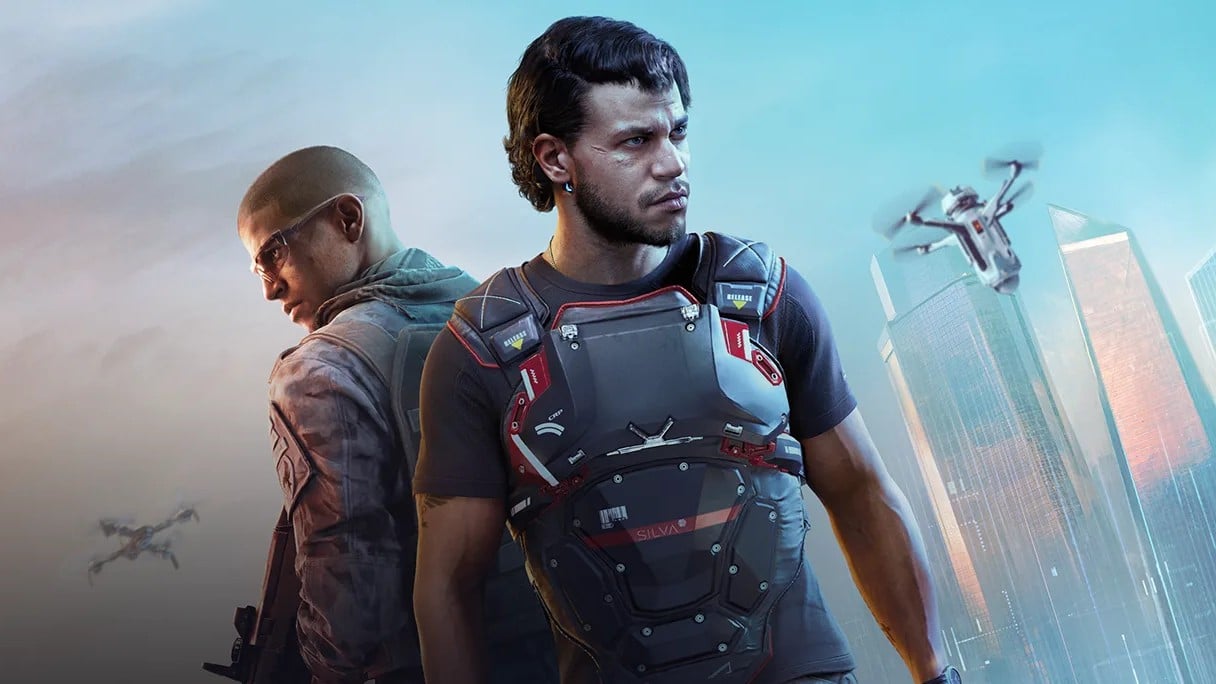
Chris Wilson has built a distinguished career as an animator in the gaming sector, having worked on renowned projects like GSC’s *S.T.A.L.K.E.R.: Shadow of Chernobyl*, Rocksteady Studios’ *Batman: Arkham Knight*, and IO Interactive’s *Hitman: Absolution*. Nevertheless, his involvement with Build a Rocket Boy’s *MindsEye* has come under heavy scrutiny, particularly after the game’s unfavorable release and the controversies associated with its development methods and management approaches.
Since its founding, Build a Rocket Boy, created by Leslie Benzies, the former head of Rockstar North, has encountered major challenges. Despite Benzies’ previous achievements with the *Grand Theft Auto* franchise, the studio has been hindered by the problematic launch of *MindsEye*, resulting in numerous layoffs and increasing dissatisfaction among its employees. Wilson, as the head cinematic animator for *MindsEye*, expressed his worries regarding the negative working conditions and the evident mismanagement that afflicted the studio.
The situation at Build a Rocket Boy intensified when it was disclosed that workers were surveilled using Teramind, a tracking software for employees, reportedly without their consent. This disclosure was a pivotal moment for Wilson, who cited the surveillance as a crucial element in his choice to come forward. “The outright disrespect for staff” and the deceit surrounding the monitoring practices fed into his rising disillusionment with the studio’s leadership.
After the launch of *MindsEye*, which faced severe backlash and mockery from both gamers and critics, several rounds of layoffs took place. Problems like unlawful blacklisting and claims of unauthorized recording of employees’ personal spaces added to the bleak narrative surrounding the studio. A joint complaint submitted by 40 Build a Rocket Boy employees to the Independent Workers’ Union of Great Britain underscored the urgent necessity for a reformation of practices within the organization.
Wilson’s frank disclosures offer a glimpse into the studio’s chaotic atmosphere. Numerous employees felt ashamed to acknowledge their ties to *MindsEye*, anxious about the stigma associated with the game’s performance. In spite of the climate of secrecy and anxiety, Wilson resolved to speak out, motivated by a sense of justice for his fellow developers affected by the studio’s choices.
Importantly, Build a Rocket Boy’s management has been criticized for their approach to layoffs and internal communications. Reports indicated that many employees discovered job eliminations through public announcements instead of internal discussions, leading to worsened morale among the team. Wilson remarked that a lack of transparency in communications made employees feel undervalued and ignored.
Moreover, the company’s alleged use of unnecessary crunch, a practice notorious in the gaming field for overworking employees, sparked concerns regarding the studio’s workforce management techniques. Wilson recognized that many team members were compelled to work long hours without overtime compensation, resulting in detrimental physical and mental health effects. The enduring impact of such practices on employee morale and the overall development culture is an ongoing concern for the industry.
As suggested in Wilson’s interview, there were initial benefits during Benzies’ early tenure at Build a Rocket Boy, where the work environment felt cooperative and encouraging. However, as crunch periods became more common and management practices began to decline, team morale suffered.
The internal discord gained public attention once more when allegations of sabotage against outside critics, including a controversial YouTuber named Cyber Boi, emerged. Associate Mark Gerhard’s threat of legal action against the content creator heightened the studio’s negative image, suggesting that management’s concerns were more with external critics rather than addressing internal problems.
The future of Build a Rocket Boy remains unclear, particularly with divergent narratives from management and staff regarding the studio’s culture and practices. A second statement from the company reaffirmed its dedication to lawful operations, distancing itself from the turmoil while simultaneously appealing to its core audience.
The saga of Chris Wilson and Build a Rocket Boy is a striking reminder of the larger challenges confronting the gaming industry today: the equilibrium between creative ambition and the necessity for healthy work environments and sustainable practices. As developers continue to navigate these issues, it is crucial to tackle workplace management, transparency, and respect for employee well-being, ensuring that the commitment of individuals like Wilson does not go unnoticed or unappreciated in the quest for innovative gaming experiences.