**Pokémon Champions: The Evolution of Competitive Pokémon**
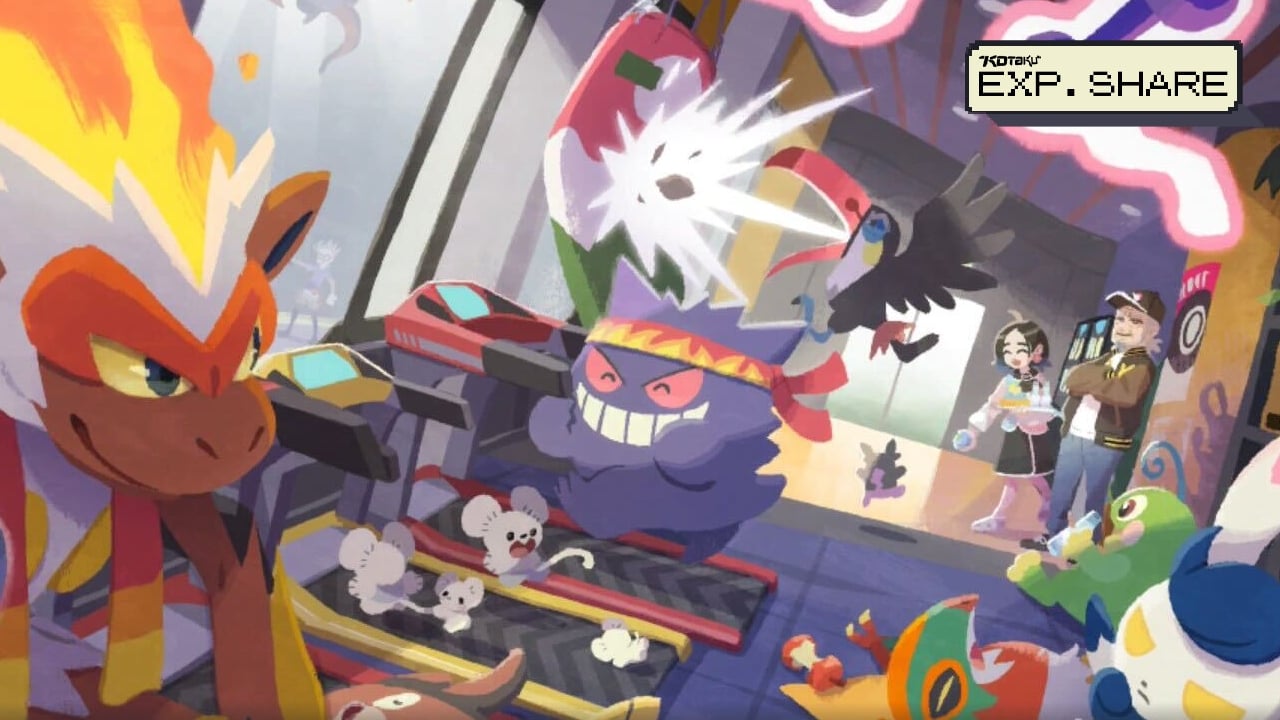
The debut of *Pokémon Champions* this month has generated considerable turbulence within the competitive Pokémon sphere. This battle simulator, aimed at being the next generation in competitive Pokémon, has faced substantial criticism for numerous issues, including glitches, a limited selection of Pokémon and items, and a monetization system heavily focused on grinding and microtransactions. Although the free-to-play structure was anticipated to include monetization aspects, the absence of all 1,025 Pokémon at launch, as earlier revealed by The Pokémon Company, has not diminished the community’s discontent. The scale of the backlash appears to have caught the company unprepared, prompting inquiries regarding the game’s sustainability as a competitive arena.
### Initial Responses and Developmental Challenges
Numerous analysts indicate that the community’s intense reaction arises from particularly disruptive alterations to a format that has remained stable for a considerable time. Competitive players, familiar with certain strategies and tools, have voiced their exasperation regarding the abrupt restrictions. Skraw, a competitive player and YouTuber, remarked that the initial backlash feels like a “knee-jerk reaction,” spurred by the unforeseen elimination of items crucial to competitive gameplay without sufficient prior notice. He notes that those initially displeased with these restrictions have gradually become more accepting of the game as they adjusted.
For newcomers, *Champions* seemingly presents an accessible gateway into competitive Pokémon without the steep learning curve that previous iterations required. However, it appears that the game struggles to deliver a sustainable method for novices to learn advanced strategies effectively.
### Accessibility versus Complexity
Critiques surrounding the game highlight that while the tutorials tackle fundamental Pokémon battling mechanics, they fall short in sufficiently aiding players to master competitive play. Freelance journalist and Timesphere Podcast host Cale Michael describes *Champions* as “underbaked,” implying that there isn’t enough content to create a lasting positive impact for those unfamiliar with the competitive scene.
Skraw further adds that the game fails to facilitate a smooth transition for new players into the competitive landscape. He suggested that a more robust single-player mode could have better prepared newcomers before throwing them into ranked matches.
### Tutorial Restrictions and Misunderstanding
Kallie Plagge from *The Verge* reiterates the idea that inexperienced players might misinterpret technical interactions—often shaped by game mechanics they have yet to grasp—as bugs. The absence of clear explanations for particular move interactions contributes to confusion among novice players.
Nonetheless, *Champions* provides valuable insights into Pokémon mechanics that have commonly been obscured. Players can now access in-depth information regarding Pokémon and their training, marking a notable advancement over previous titles.
### A Varied Competitive Experience
The overall environment within *Champions* reveals a contrast. For strategic players, it simplifies some intricate systems of competitive play, while still lacking the depth essential for serious competitors to excel. The current limited roster of items and Pokémon has constricted the meta, forcing players to depend on a handful of standard strategies, which can result in a repetitive competitive experience.
Many players are hopeful for changes over time, yet the initial offerings appear to have restricted variety in competitive team-building. Seasoned players are acutely aware of the diminished options, which limits diversity and depth—critical components for sustaining long-term player engagement.
### The Challenge of Monetization
Another critical factor to consider is the free-to-play model coupled with microtransactions. Traditionally, taking part in competitive Pokémon necessitated just the purchase of a game every few years. *Champions*, however, introduces a subscription model for expanded Pokémon storage, placing certain conveniences behind a paywall. While in-game purchases may not seem predatory, the requirement of managing financial commitments for full immersion in the game might dissuade more casual players.
### The Future and Community Reactions
As *Pokémon Champions* evolves into the official competitive platform, balancing the expectations of both casual and hardcore gamers presents a significant challenge. While many competitive players are likely to welcome the game as a dedicated client for their pursuits, casual players may require stronger motivations to stay engaged and advance through the mechanics of competitive play.
With the North America International Championships approaching, many players feel compelled to swiftly adapt to the new system. Proposals for improved release timing and beta testing phases have been discussed as potential solutions for the challenging launch many are facing.
### Conclusion
The ongoing dialogue surrounding *Pokémon Champions* underscores a pivotal moment in the franchise’s development. Despite facing substantial obstacles, the fundamental changes it introduces could pave the way for a more streamlined, enjoyable competitive experience. Ultimately, the future will hinge on The Pokémon Company’s readiness to heed its community and implement timely updates and enhancements. While uncertainty looms, optimism persists among players regarding the potential for *Champions* to mature into a staple within competitive Pokémon.