**The Contentious Conclusion of Attack on Titan: Hajime Isayama Reflects on Eren Yeager’s Destiny**
Although it is often hailed as one of the finest anime and manga series in history, “Attack on Titan” (AoT) encountered considerable backlash upon the unveiling of its concluding chapters in 2021. This reaction largely arose from the surprising and divisive fate of the series’ central character, Eren Yeager. Recently, creator Hajime Isayama openly shared his reflections on this disputed conclusion, admitting that he recognizes the critiques surrounding it, an acknowledgment that he has made definitively.
At a recent exhibition at the Attack on Titan Museum in Japan, Isayama’s insights were unveiled on a plaque that drew the attention of fans. He expressed his discontent with how the series concluded, citing a “sense of insincerity” in its ending, which ignited extensive discussions among viewers.
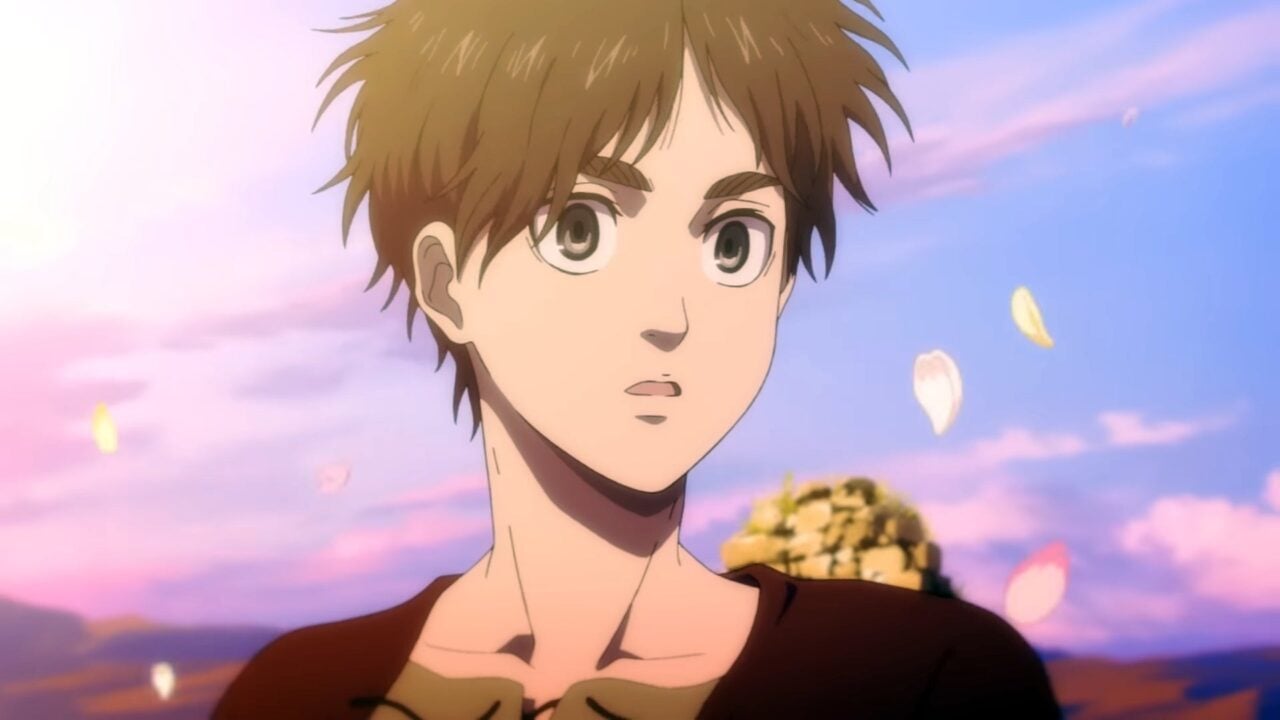
Essentially, “Attack on Titan” chronicles the path of Eren Yeager, who is initially depicted as a heroic figure resolved to combat the Titans—a race of monstrous humanoid giants threatening humanity. Nevertheless, the series takes a dark turn when Eren, in a desperate effort to safeguard his civilization, resorts to mass destruction. This transformation from protagonist to antagonist is jarring, leaving numerous readers and viewers grappling with this drastic alteration in his character. Fans were particularly dismayed by the narrative arc that showed Eren, once a beacon of resistance and hope, deteriorating into a figure synonymous with mass murder.
Isayama elaborated on this unconventional transition at the museum, stating, “Eren evolved into a protagonist who engaged in mass slaughter on a scale seldom seen in other fictional works.” He further disclosed that a part of his aim was to craft a narrative with a significant twist, intentionally positioning the victim in the role of the aggressor. However, he also admitted that a substantial element behind Eren’s character was his own youthful immaturity during the story’s early development stages, reflecting the creator’s personal evolution since his twenties.
This admission has sparked inquiries among fans concerning Isayama’s sentiments about the final result. While the plaque does not clarify whether his remarks pertain solely to the manga, many believe that he primarily refers to the manga’s resolution, particularly given the alterations made in the anime adaptation, which presents Eren with a level of accountability for his actions that the original manga ending lacked.
Isayama’s reflection illustrates a complicated relationship he shares with Eren Yeager. He conveyed that by the series’ conclusion, Eren had transformed into a character cherished by many, complicating how he depicted him. Rather than fully committing to portraying Eren as a completely detestable figure, Isayama found himself writing with a sense of empathy towards him. As a result, he acknowledged a persistent feeling of insincerity regarding the story’s conclusion, at least from his viewpoint.
The recognition of his discontent with the ending of such a monumental work is significant, especially considering the immense pressures he endured during the series’ production, including receiving death threats from fans throughout the franchise’s early history. His readiness to confront and share these feelings openly, culminating in a public display at a museum, reflects his growth as an artist.
In conclusion, Hajime Isayama’s insights on the ending of “Attack on Titan” underscore the intricacies of storytelling, character development, and authorial intent. While Eren Yeager continues to be a polarizing character, Isayama’s openness about his regrets adds a layer of richness to the already expansive narrative world he has crafted. Fans will persist in debating and analyzing the legacy of “Attack on Titan,” but Isayama’s candor highlights the obstacles faced by creators when developing compelling and resonant tales.