**The A.V. Club’s Withdrawal from Gaming: A Change in Direction and Its Consequences**
In a noteworthy action that highlights evolving priorities within media entities, The A.V. Club has revealed the termination of its full-time gaming editors, a choice that indicates a step back from in-depth reporting on the gaming sector. This change is part of a larger pattern where media companies redirect their resources towards what they perceive as their “core strengths,” which for The A.V. Club translates to a renewed focus on films and television.
### The Background of The A.V. Club and Gaming
The A.V. Club, initially part of Onion Inc., has been recognized for its thorough and perceptive reporting on various entertainment genres, including video games. Nonetheless, this recent decision follows a turbulent history for its gaming content, particularly after its link with Paste Media, which has faced criticism for its management of various digital properties.
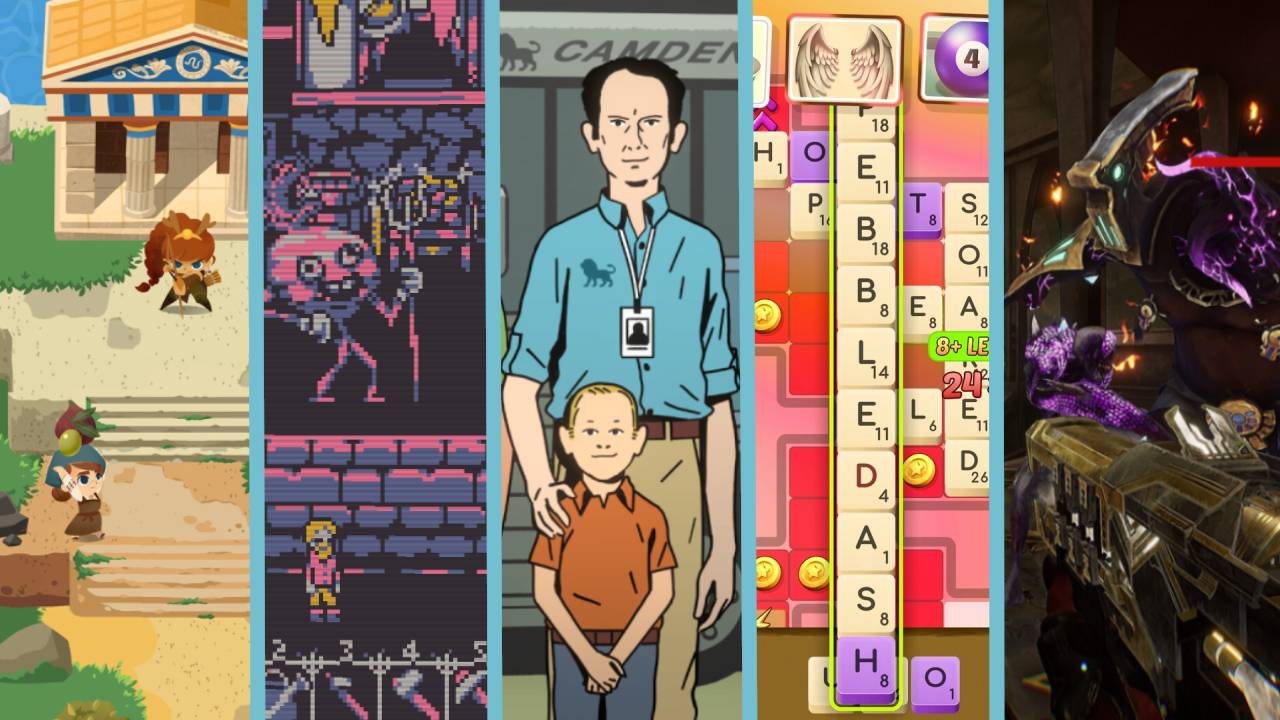
Paste Media, originally built around a print music magazine, made a strategic transition to online content in 2010, broadening its scope to include gaming with the establishment of the Paste Games division. Under the long-term guidance of Garrett Martin, the platform capitalized on the talents of notable voices in games journalism. However, the outlet’s gaming section underwent a transformation in mid-2025 when it was rebranded as Endless Mode, seemingly to enhance its commitment to gaming and pop culture.
Despite the ambitious rebranding, Endless Mode struggled for only six months before being reintegrated into The A.V. Club. This swift reintegration pointed to larger problems within Paste Media’s capacity to maintain varied content streams, as articulated by Martin, who highlighted the cultural importance of gaming alongside other traditional mediums.
### The Layoff Notification and Its Repercussions
On May 1, The A.V. Club announced the tough choice to eliminate three positions, prominently featuring two full-time employees responsible for gaming coverage. The announcement indicated a strategic redirection aimed at bolstering film and television reporting while simultaneously recognizing their inability to uphold a dedicated gaming team under current staffing circumstances. The decision surprised many, considering the increasingly significant role of video games in contemporary culture.
The layoffs not only signify an organizational shift but also a philosophical change, where The A.V. Club’s owners seem to diminish gaming’s significance in the current media environment. Martin and associate editor Elijah Gonzalez were instrumental in the outlet’s prior gaming initiatives, and their exit denotes a considerable reduction in the publication’s involvement with gaming content.
### Contextualizing the Shift Within a Larger Media Context
The reduction in gaming coverage at The A.V. Club reflects broader challenges encountered by multiple media outlets under Paste Media’s management, which has faced difficulties with other properties as well, including prominent sites like Jezebel. These issues raise concerns about the overall sustainability of niche content in a landscape increasingly controlled by fewer, larger entities.
The legacy of Paste Games and its ambitious editorial vision serves as a poignant reminder of the necessity for varied coverage in the media. As these platforms step back from gaming, the rich stories and critical insights offered within video game journalism risk being overshadowed amid wider trends of consolidation and focus on mainstream media.
### Conclusion
The A.V. Club’s choice to withdraw from extensive gaming coverage symbolizes an industry grappling with shaping its identity and priorities in a swiftly evolving cultural landscape. While the site will still feature some gaming content, the absence of dedicated coverage indicates a significant change that not only impacts the publication but also the gaming community that has relied on informed and passionate discussions surrounding their interests. The ongoing difficulties faced by Paste Media and similar organizations underscore the need for strong, diverse journalism that mirrors the complex nature of modern entertainment.