**Title: The Spooky Evolution of Solitaire: Delving into Forbidden Solitaire**
For years, the most disturbing feature of computer solitaire was probably its vintage graphics or whimsical early designs, like the pixelated castle deck art designed by Susan Kare for Windows 3.0. As technology evolved, so did these games. Recently, however, a fresh title has emerged in the solitaire realm, transforming it into a heart-pounding experience that transcends its basic card-playing origins. Introducing *Forbidden Solitaire*, a groundbreaking meta-horror game from the makers of *Home Safety Hotline*.
**The History of Forbidden Solitaire**
In *Forbidden Solitaire*, players find themselves unexpectedly owning a controversial artifact from the ’90s — a disturbing fantasy card game that left an unsettling mark during childhood. Once believed to be scarce due to its infamy, the game’s sinister reputation arises from backlash among parents and advocacy groups horrified by its gruesome twist on the traditionally benign game of solitaire. As players embark on their spooky journey, they encounter a parallel storyline where a character’s sister probes into the ominous whispers surrounding the game’s origins, which suggest ritualistic deaths linked to its eerie allure.
**Gameplay Mechanics**
As players delve deeper into the game’s isolated dungeon, every action demands unraveling puzzles through classic solitaire mechanics. Arranged in intricate formations, the cards can only be removed if the player’s chosen card is directly adjacent, either above or below, to the card they currently possess. Successful sequences produce powerful combos or boost magical powers vital for survival. The tension intensifies with varying card states, such as locked or cursed cards that can drain health or complicate draws from the player’s stockpile.
Enhancing the gameplay’s strategic complexity, jokers play an essential role, enabling players to sway outcomes in their favor at critical junctures. Players may also gather magical gems to permanently augment their abilities, crudely integrating items into their character. Each choice becomes a strategic conundrum, with severe repercussions for those who overlook their enhancements.
**Aesthetic and Influence**
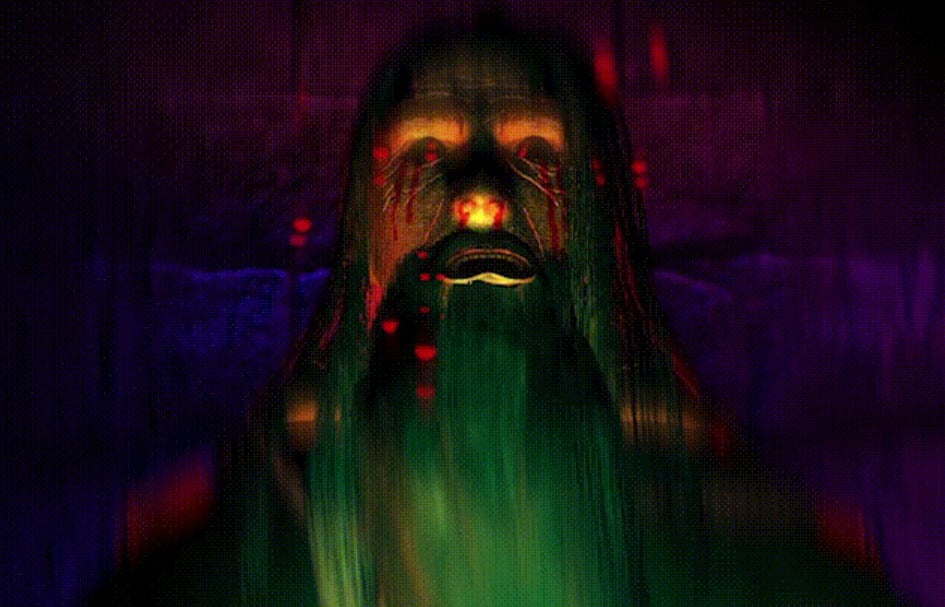
*Forbidden Solitaire* invites comparisons with other narrative-centric titles like Daniel Mullins’ *Pony Island* and *Inscryption*, yet it distinctly sets itself apart with its emphasis on horror elements woven into the structure of a recognizable card game. It evokes a contemplative experience resembling traditional solitaire, while the excitement of discovering a powerful card combination remains gratifying. Nonetheless, the true charm resides in the game’s artistic style, significantly inspired by Jim Ludtke’s works, paralleling the unsettling visuals of *Bad Day on the Midway*. Combined with a haunting soundscape, the game crafts an atmosphere rich with tension that prickles players’ skin and fully engrosses them in its universe.
**Conclusion**
As solitaire ventures into horror territories in *Forbidden Solitaire*, what arises is not merely a game, but an inquiry into nostalgia, fear, and the unforeseen depths of a common pastime. Through its detailed mechanics and eerie backstory, it enthralls players in pursuit of thrills nestled within the most unexpected formats — demonstrating that even the simplest games can conceal the darkest of secrets.