### The Sunday Papers: A Roundup of the Week’s Best Gaming Writing
Sundays often evoke a sense of reflection and relaxation, a time to indulge in leisurely activities and read engaging content. This week, our spotlight shines on diverse writings from various sources that explore intriguing aspects of gaming culture and its intersections with society, art, and personal experiences.
#### 1. Board Game Adaptation of *Inscryption*
Khee Hoon Chan for **Rascal**
Khee Hoon Chan provides an insightful look into CrypticCrafter’s board game adaptation of the horror video game *Inscryption*. This adaptation stands out as a remarkable homage to the original while addressing the challenge of making the game balanced for two players. Traditionally, *Inscryption* is designed asymmetrically, favoring one player, which posed a significant design hurdle for CrypticCrafter as they aimed to retain the game’s essence without losing its competitive nature.
#### 2. Wealth and Patronage in Classical Music
Jeffrey Arlo Brown for **The Baffler**
In a thought-provoking exploration, Jeffrey Arlo Brown discusses the trend of wealthy individuals purchasing orchestras to live out fantasies of musical composition and conducting. Reflecting on historical patronage, he draws parallels to contemporary society where financial power influences artistic expression. The rise of these “pay-to-play” arrangements raises questions about artistic integrity and the evolving nature of community in the arts.
#### 3. The Impact of Crossover Cards in *Magic: The Gathering*
Erik Hane for **Typebar Magazine**
Erik Hane critiques how licensed crossover cards in *Magic: The Gathering* dilute the game’s original narrative and mechanics. Drawing comparisons to the commercialization of fan fiction, Hane argues that this trend leads to an overload of content that prioritizes consumer appeal over the game’s foundational qualities. The existence of these crossover cards reflects a broader shift towards catering to diverse fanbases at the potential cost of the game’s integrity.
#### 4. Narrative and Aesthetics in *Marathon*
Astrid Anne Rose for **Bullet Points Monthly**
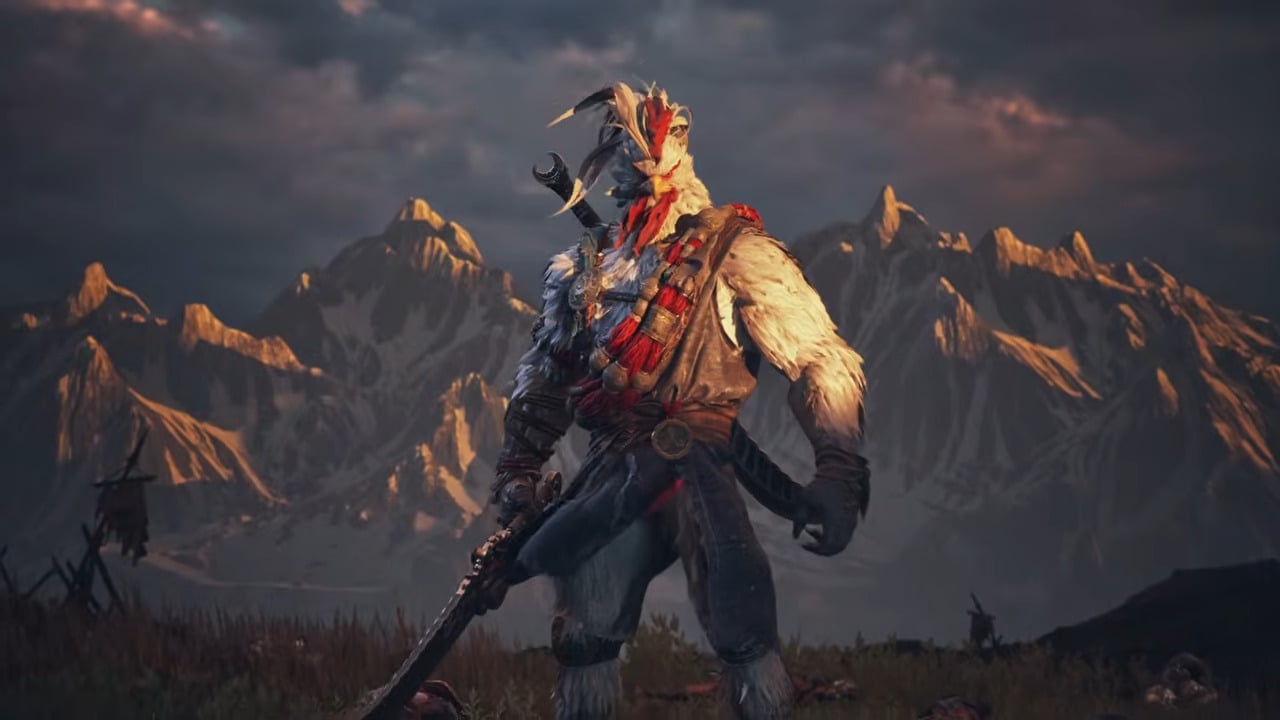
Astrid Anne Rose delves into the narrative intricacies within *Marathon*, highlighting its unique aesthetic and world-building. She describes the protagonist as a ragpicker, scavenging remnants of an industrialized past, and comments on the philosophical undertones of decay and renewal that define the game’s setting. Her analysis brings a deeper understanding of the emotional landscape crafted by the game.
#### 5. Farewell to *Paste Games*
As reported by **Kotaku**
In a lament for the loss of thoughtful video game criticism, Kotaku notes the recent layoffs at A.V. Club, including veteran editors who contributed to *Paste Games*. This marks a significant shift in video game journalism, as *Paste Games* offered a platform for long-form critique and in-depth reporting. The community is reacting to this change with memories and tributes to significant pieces that once defined the outlet.
#### 6. Pop Culture Commentary on Peter Molyneux
Graham for **Jank Dot Poo**
Graham takes a humorous approach to examine the persona of video game developer Peter Molyneux, likening him to a pop star. This playful narrative highlights how public figures can embrace character roles, ultimately contributing to cultural conversations in unexpected ways. Graham’s comparisons invite readers to consider the intersections between game development and celebrity culture.
#### Conclusion
This week’s *Sunday Papers* presents a tapestry of thoughts and critiques, drawing from the realms of board games, music, and the evolving nature of video games. Each piece encourages a deeper reflection on how these cultural artifacts shape and are shaped by their societal contexts. As we engage with this content, we reaffirm the significance of thoughtful criticism and creativity in our increasingly complex world.