### Will: Follow the Light Review
**Developer:** TomorrowHead Studio
**Publisher:** TomorrowHead Studio
**Release Date:** May 7th, 2026
**Platform:** Windows
**Available on:** [Steam](https://store.steampowered.com/app/3144860/WILL_Follow_The_Light/) | [Epic Games Store](https://store.epicgames.com/en-US/p/will-follow-the-light-3107ec)
**Price:** TBA
**Reviewed on:** Intel Core i9-10900K, 32GB RAM, Nvidia RTX 3090, Windows 10; Steam Deck
—
**Overview**
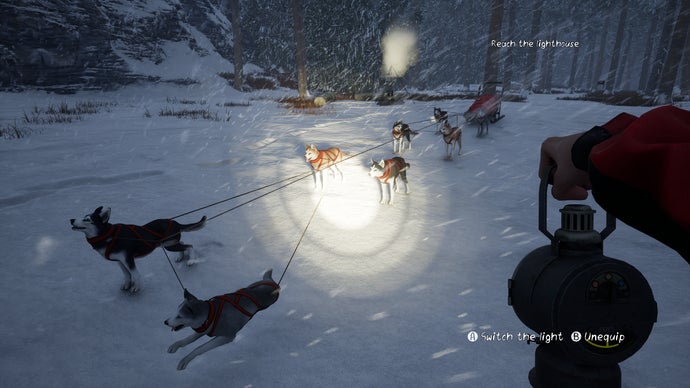
“Will: Follow the Light” offers a visually striking experience with its scenic Nordic landscapes and immersive sailing mechanics. However, the game’s adventurous spirit is dampened by uninspired puzzle designs, flawed storytelling, and overall lack of refinement.
The game initially invites players into a narrative brimming with promise: a Norwegian protagonist named Will departs on a quest to find his son and father after their mysterious disappearance during a mudslide. This journey unfolds across stunning oceans and glaciers, with a focus on introspection and puzzle-solving in a style reminiscent of games like “Firewatch”.
**Narrative and Characters**
Despite the intriguing premise, the urgency of Will’s mission dissipates early on. Upon reaching the affected town, players quickly learn that his son is safely in the care of his father, undermining the tension typically associated with a rescue narrative. What begins as an urgent quest devolves into a mundane errand, as the game’s stakes shift from an action-packed journey to merely picking up a child from a babysitter.
Will’s personal struggles are explored through a parallel narrative, though these emotional elements fail to galvanize the player’s journey. The disconnection between the gameplay objectives and the overarching narrative leads to a lack of motivation, ultimately hindering the sense of purpose throughout the six-plus hours of gameplay.
**Gameplay Mechanics and Puzzles**
The puzzles in “Follow the Light” primarily fall into two categories: repetitive menial tasks requiring trial and error or convoluted sequences of simpler tasks leading to an answer. For instance, acquiring a spark plug involves a protracted series of actions that feels more like a tedious chore than an engaging challenge.
The game frequently pulls players away from the mesmerizing wilderness, trapping them in mundane offices and buildings filled with tedious maintenance tasks. While sailing, a core enjoyment of the game, offers a refreshing contrast, the on-land puzzles continually disrupt any sense of excitement gained from nautical exploration.
**Art and Environmental Design**
The environmental art in “Follow the Light” is commendable. From the rich details inside buildings to the breathtaking outdoor vistas, the aesthetic quality stands out. The interiors are filled with remnants of past inhabitants, enriching the immersive atmosphere.
Yet, while the art direction shines, other technical aspects falter. Characters lack fluid animations, leading to a less engaging experience, and technical issues—such as inconsistent subtitles and perplexing autosave points—detract from the overall polish.
**Conclusion**
“Will: Follow the Light” demonstrates potential with its captivating environments and sailing mechanics but ultimately succumbs to uninspired puzzle design and weak storytelling. While there are moments of beauty and introspection, the game struggles to maintain a cohesive and engaging experience, leaving players wanting more from both its narrative and gameplay. The juxtaposition of breathtaking vistas and tedious tasks creates a frustrating disconnect, making the game’s journey less compelling than it could have been.