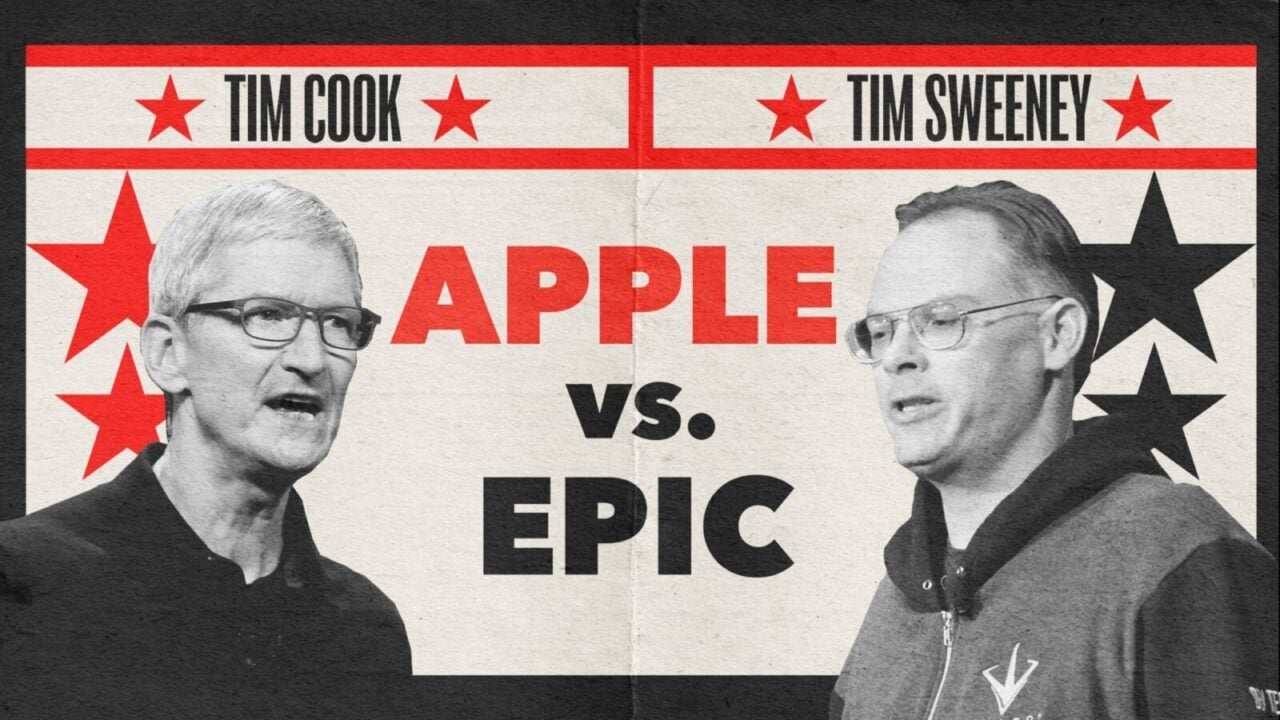
The recent ruling by the U.S. Supreme Court to dismiss Apple’s appeal in its ongoing legal confrontation with Epic Games has sparked substantial debate. This decision is linked to a prior ruling by the 9th U.S. Circuit Court of Appeals, with the Supreme Court choosing to affirm a contempt ruling against Apple, which had recently been accused of not adhering to a court order mandating the allowance of third-party app stores on iOS devices.
The case originates from a legal conflict that began in 2021 when Epic Games challenged Apple’s App Store policies, notably the 30% commission levied on developers for in-app purchases. The court found that Apple not only lost parts of the case but also took actions considered anticompetitive. California’s District Court criticized Apple for its defiance, alleging that the company intentionally added extra barriers to compliance to safeguard its profit margins.
Judge Yvonne Gonzales Rogers denounced Apple’s actions as a “gross miscalculation,” claiming they introduced a new charge of 27% designed to discourage developers from exploring alternatives. Apple’s reaction to the court’s previous decisions was viewed as insufficient, resulting in the contempt ruling by the 9th Circuit. This circuit expressed exasperation over Apple’s strategies, stating that the company misrepresented terms to developers and imposed unreasonable conditions that hindered their ability to use external payment links.
The Supreme Court’s decision not to consider Apple’s appeal effectively eliminates further options for the company within the legal framework, compelling it to return to the District Court where the disputes are likely to persist. The outcome could significantly alter the dynamics of in-app purchases, potentially allowing developers to circumvent Apple’s commission structure entirely. This may foster enhanced competition and reduced prices for consumers as game publishers might direct customers to their own payment systems.
Epic Games’ CEO Tim Sweeney conveyed his approval of the ruling, welcoming the chance to return to court and negotiate more equitable terms with Apple regarding the fees associated with implementing external purchase options.
As the legal drama unfolds, the ramifications of this ruling will be closely monitored, especially concerning app store policies and digital commerce regulations. The ruling marks a pivotal moment in the ongoing discussion surrounding corporate dominance in digital marketplaces and consumer rights in the modern technological landscape.