### The Continuing Debate on AI-Produced Assets in “Neverness to Everness”
Shortly after the creators of *Neverness to Everness* declared their plans to revise AI-generated visuals in their open-world gacha game, a new update was deployed, resulting in major alterations to the game’s assets. The game’s community has reacted variably, especially concerning the substitution of some questioned assets, including a contentious image that has ignited discussions on social media.
#### Context
The issue arose when Twitch VTuber Ironmouse publicly terminated her sponsorship agreement with *Neverness to Everness*. Ironmouse had received assurances from the developers that the game would not incorporate AI-generated assets, only to find out they were part of the completed product. This triggered a backlash from fans and players, leading the official *NtE* Global account to declare that the development team at Hotta Games was “already assessing and modifying” the disputed AI assets.
#### The Updated Patch
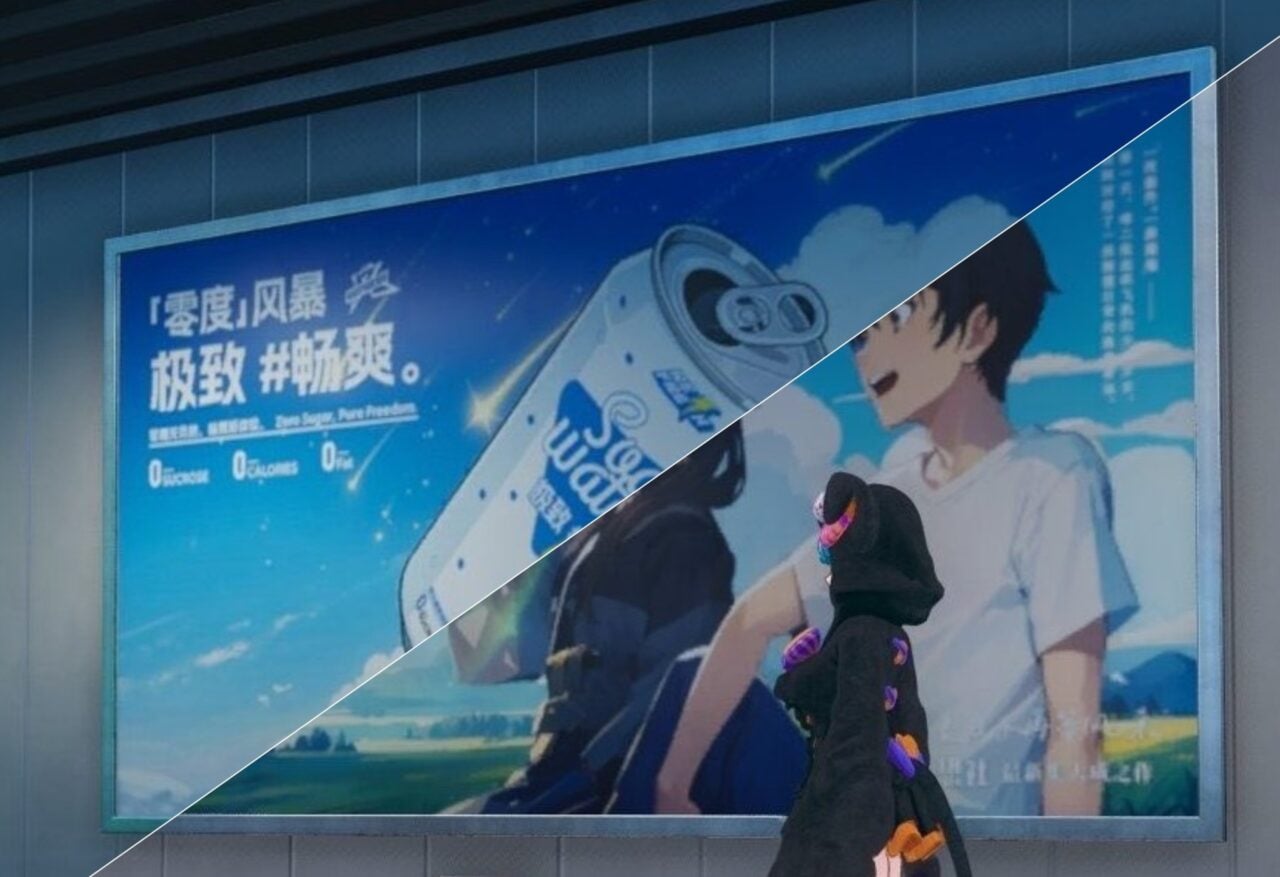
With the launch of the most recent patch, it seems modifications have indeed occurred. Particularly, one of the most scrutinized AI-generated elements, a billboard design within the game reminiscent of the anime feature *Weathering with You*, has been reported as replaced. However, some gamers have observed that the new graphic seems to be yet another AI-generated asset, this time showcasing a soda can.
Dissatisfaction with the update has spread across social media forums. One user, ViviVovo, commented, “I suppose it didn’t matter enough because the assets you swapped are STILL AI generated. What is the rationale if you’re merely going to continue deceiving your playerbase?” This viewpoint mirrors a broader discontent among players who anticipated a legitimate enhancement rather than merely exchanging one AI image for another.
#### The Characteristics of the New Visual
Regardless of the visible changes, players have remarked that the replacement image still displays traits of what they refer to as “AI slop,” a colloquial expression for subpar AI art. ViviVovo expanded on this, critiquing the perplexing visual aspects that diminish the intended background role of the image. The complexities of AI art are under examination as many players advocate for more genuine aesthetics, feeling that reliance on AI production undermines the game’s immersive quality.
Interestingly, some assets were entirely eliminated in the latest update, such as the video shown prior to the Pink Paws Heist mission, which has been substituted with a static placeholder. This raises questions about why certain contentious AI elements were swapped out while others persist.
#### Consequences and Future Steps
The ongoing dialogue concerning AI-generated material in *Neverness to Everness* highlights a wider debate within the gaming community about the role of AI in art and game development. If the new image is indeed another AI output, it prompts inquiries not only about the developers’ integrity but also about the ethical ramifications of employing AI-generated content in creative fields.
Furthermore, there is conjecture that the choice to replace the original AI artwork may not have stemmed solely from player backlash but potentially from concerns over copyright violations, especially given the resemblances to *Weathering with You*. This scenario emphasizes the intricate relationship between copyright regulations and the application of AI in creative work, as developers navigate the integration of technology without infringing on creative rights.
#### Final Thoughts
As Hotta Games continues to handle the backlash from players and the consequences of their use of AI in *Neverness to Everness*, the outlook remains unclear. The actions taken in reaction to player input could establish significant precedents for how developers manage AI-generated content in the future. This situation underscores the necessity of transparency and authenticity in game development, particularly in an environment increasingly shaped by technological advancements.